Trump Threatens Iranian Annihilation in U.N. Address
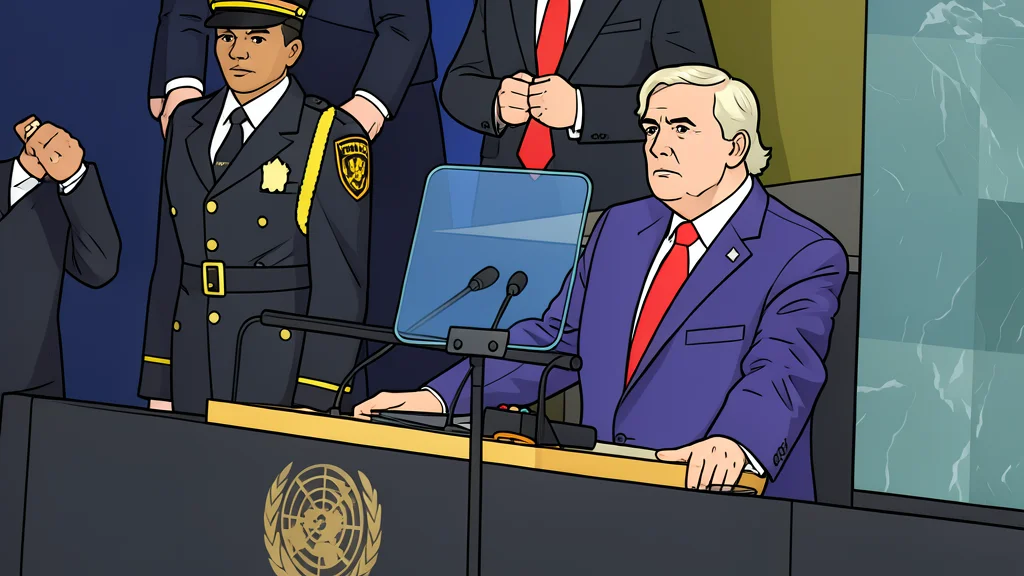
The U.S. president framed a binary choice between a deal or total destruction during his General Assembly speech.
Key points
- Trump presented a binary choice to the U.N. regarding Iran: make a deal or face annihilation.
- Legal experts argue such threats delivered on the U.N. stage could be considered war crimes.
- The speech was more conciliatory than last year's but maintained strong anti-ICC rhetoric.
U.S. President Donald Trump delivered a stark ultimatum to the United Nations General Assembly on Tuesday, presenting a binary choice regarding the future of the Islamic Republic. According to reports, the administration framed the situation as a decision between allowing Iran to rebuild or facing total military erasure.
The rhetoric, which included explicit references to driving the nation into a state with no chance of survival, marks a significant escalation in diplomatic language. International legal experts have previously noted that such threats, when delivered on the global stage, may contravene established norms regarding the prohibition of threatening force.
Escalation in Diplomatic Rhetoric
As detailed by Foreign Policy, this speech continues a pattern of friction between the White House and the United Nations’ justice-seeking bodies. The administration recently rejected a U.N. fact-finding mission that identified reasonable grounds for war crimes in U.S. military strikes on Iranian infrastructure earlier this year.
The confrontation extended to the International Criminal Court, which the president labeled a rogue and anti-American institution. He urged member states to resign from the tribunal, describing it as an out-of-control body that fails to uphold impartiality.
Strategic Tone Shift
Despite the aggressive stance on Iran, the overall tone of the address was more conciliatory than the vitriolic speech delivered last year. Trump praised U.S.-led reforms that reduced the U.N. operating budget and eliminated thousands of positions, referring to fellow attendees as great leaders.
This shift appears aligned with a broader strategy to address the ongoing energy crisis. The president suggested that a unified global approach would eliminate the Iranian threat and lead to a significant drop in oil prices, which recently hit record highs due to shipping disruptions.
Implications for Global Stability
The speech underscored a willingness to pursue objectives unilaterally if necessary. The administration indicated that the United States would achieve its goals independently, potentially bypassing international consensus or the U.N. framework entirely.
Observers are now watching how other nations respond to this combination of economic leverage and military threat. The next steps may depend on whether diplomatic channels remain open or if the rhetoric hardens into actionable policy decisions.