Trump Endorses Potential US Diesel Export Ban
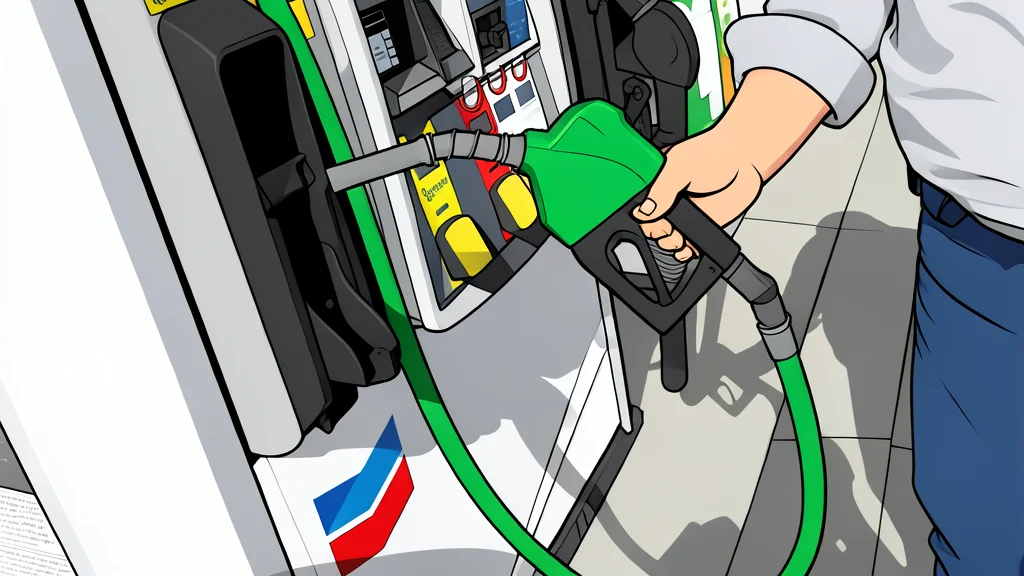
With US diesel prices hitting record highs, the president supports restricting exports to lower domestic costs, creating tension with allies.
Key points
- US President Trump supports banning diesel exports to lower domestic pump prices ahead of mid-term elections.
- National diesel prices have hit a record high of $6.50 per gallon, sparking political urgency among Republicans.
- Reducing US exports could tighten global supplies, potentially raising prices for Western allies like the UK and Netherlands.
US President Donald Trump has indicated support for halting American diesel exports, a move intended to lower pump prices for domestic drivers. His remarks, made on the sidelines of the United Nations General Assembly, reflect growing political pressure to address soaring fuel costs ahead of the November mid-term elections.
According to BBC Business, the national average price for diesel recently surpassed $6.50 per gallon, marking a new high. Trump suggested that retaining domestic supplies could also exert a downward effect on regular gasoline prices, a claim that aligns with the urgent requests from several Republican lawmakers who are facing voters concerned about inflation.
Political pressure drives policy shift
The push for an export ban is driven by significant internal political dynamics. With mid-term elections approaching on November 3, Republican representatives have urged the administration to curb shipments to ease the financial strain on consumers. In Iowa, Representative Ashley Hinson argued that voters should not bear the cost of high fuel prices, while Senator Dan Sullivan of Alaska called for a temporary pause to rebuild domestic reserves.
Treasury Secretary Scott Bessent confirmed that officials are currently assessing whether a full or partial ban would be effective without disrupting refinery operations. This internal review highlights the delicate balance the administration seeks to strike between immediate domestic relief and maintaining the flexibility of the US energy sector.
Global supply chains face strain
The decision to restrict exports comes against a backdrop of severe global market volatility. Recent drone attacks by Ukraine on Russian energy facilities have significantly reduced Moscow’s refining capacity. According to Trump, these strikes have had a serious impact on global diesel prices, further exacerbating the supply shortage that is currently driving up costs worldwide.
Russia is one of the world's leading suppliers of diesel, and its reduced output has tightened global reserves. The situation is complicated by Moscow’s own strict export bans, which have left Western allies such as the UK and the Netherlands dependent on American fuel to cover their deficits. A US ban could therefore intensify the price squeeze in these allied markets.
Risks to international allies emerge
While restricting exports may provide short-term relief for American drivers, it carries significant risks for international partners. The United States currently exports roughly 1.3 million barrels of diesel per day, which accounts for nearly a quarter of its total refining output. Cutting these shipments could leave Western allies with insufficient supply to meet their domestic demands, potentially raising prices in Europe and beyond.
The forward question now centers on how the administration will implement these restrictions, if at all, and how European nations will respond to potential supply shortfalls. Watch for further announcements from the US Treasury regarding the scope of the ban and any diplomatic reactions from key trading partners in the coming days.