Global Biodiversity Protection Trails 30% Target by 2030

New analysis reveals that current conservation efforts cover only 20% of land and 10% of oceans, falling short of international pledges.
Key points
- Current protection covers 20% of land and 10% of oceans, well below the 30% target set for 2030.
- Annual conservation funding stands at $24 billion, significantly less than the estimated $100-$180 billion needed.
- The UN biodiversity summit in Yerevan will address implementation gaps and review future strategies.
World governments are currently off track to meet the United Nations goal of protecting 30% of the planet's land and seas by 2030, according to a report released this week. The assessment highlights a significant gap between existing commitments and the actual progress made since the target was established in 2022.
The study, conducted by environmental groups Campaign for Nature and Together for the Ocean, indicates that approximately 20% of land and inland waters are currently designated as protected areas. While nations have pledged substantial financial support, the physical coverage of these conservation zones remains below the required threshold as the deadline approaches.
Ocean conservation lags behind
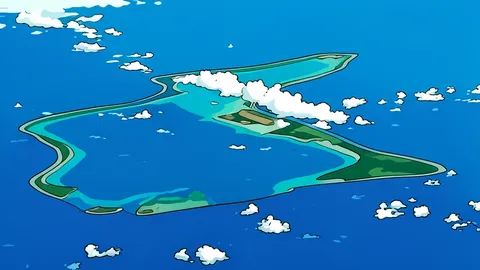
Marine environments are cited as one of the most challenging areas for implementation. Current protection levels for global oceans stand at 10%, with projections suggesting this figure will only rise to 12% by 2030. According to the researchers, critical habitats such as offshore and deep-sea zones remain particularly vulnerable to degradation.
Funding gap remains major barrier
Financial constraints are identified as a primary obstacle to achieving the 30x30 goal. The report estimates that between $100 billion and $180 billion is needed annually to close the conservation gap, yet current global spending amounts to just $24 billion. For oceans specifically, the discrepancy is stark, with an estimated $1.8 billion spent annually against a need of $16 billion.
Diplomatic response planned in Yerevan
The UN Convention on Biological Diversity has also warned that countries are not on track to meet their nature targets. Nations are set to convene in Yerevan in October to address these shortfalls and evaluate strategies for accelerating progress. As noted by Deutsche Welle, the summit will serve as a critical forum for reassessing global commitments.