Global Witness Report Details Rising Peril for Land Defenders
New data reveals a persistent global threat to those protecting their communities, with Latin America remaining the most dangerous region despite a slight dip in annual killings.
Individuals standing up to protect their local environments and livelihoods continue to face severe risks, according to a new analysis by the environmental campaign group Global Witness. The report highlights that while the number of recorded deaths in 2025 was the lowest since 2014, the overall danger level for these defenders remains critically high. The organization notes that at least 124 people were killed worldwide during this period, part of a cumulative toll that exceeds 2,375 since 2012.
The findings, reported by GN geopolitics/rights (en-US), indicate that Latin America accounts for 85 percent of these fatalities, maintaining its position as the most hazardous region for such activism. Colombia recorded the highest number of deaths for the fourth consecutive year, while Brazil saw a significant spike in casualties. These figures underscore a continued struggle for communities resisting industrial expansion and land appropriation across the globe.
Community Resistance in the Philippines
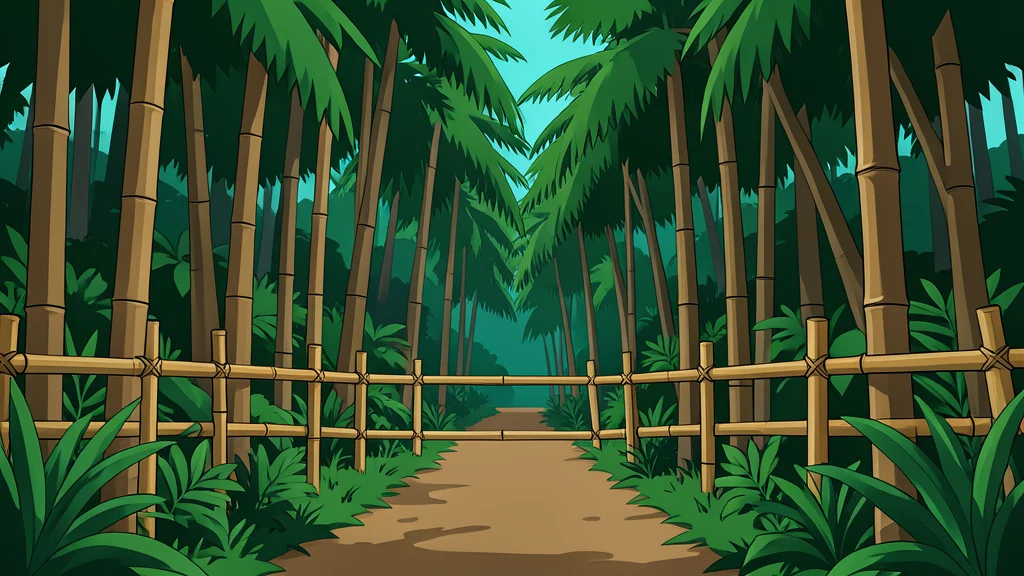
In the northern province of Nueva Vizcaya, residents of Kasibu have physically blocked access to a proposed mining site by erecting bamboo barriers and establishing a camp. According to local campaigners, police and military forces responded to confrontations in August by arresting thirteen individuals. Although all were later released, the community now faces more than thirty legal cases, illustrating the broader tactic of criminalization used against those who oppose extractive projects.
Leijin Dugay, a local advocate, described the physical and emotional toll of these clashes, noting injuries sustained while trying to protect family members. She criticized the authorities for aligning with large mining operations rather than upholding public order. This local incident reflects a wider pattern where legal pressure is deployed to isolate and silence defenders who are often ordinary citizens rather than professional activists.
Redefining the Role of Defenders
Michel Forst, the United Nations special rapporteur on environmental defenders, clarified that this category of protection applies to anyone defending their right to live on their land. He emphasized that many of these individuals are not part of organized protest movements or non-governmental organizations. Instead, they are women and men protecting their villages, forests, and everyday lives from threats posed by corporations and sometimes by state actors.
Shifting Tactics of Repression
Toby Hill of Global Witness cautioned that the decline in recorded killings should not be interpreted as an improvement in safety. He suggested that the figures are likely underestimates due to underreporting in repressive contexts where civil society groups face risks for documenting abuses. The organization argues that the nature of repression is diversifying, with increased harassment, online attacks, and the use of tough laws to criminalize support networks.
This shift in strategy aims to force defenders into silence without necessarily resorting to lethal violence. The report highlights that in parts of Africa and Asia, the difficulty in documenting human rights abuses is growing. Consequently, the apparent drop in death tolls may reflect a change in how power is exerted against communities, rather than a genuine reduction in the threat they face.