Guterres Assesses UN Resilience Amid Security Council Gridlock
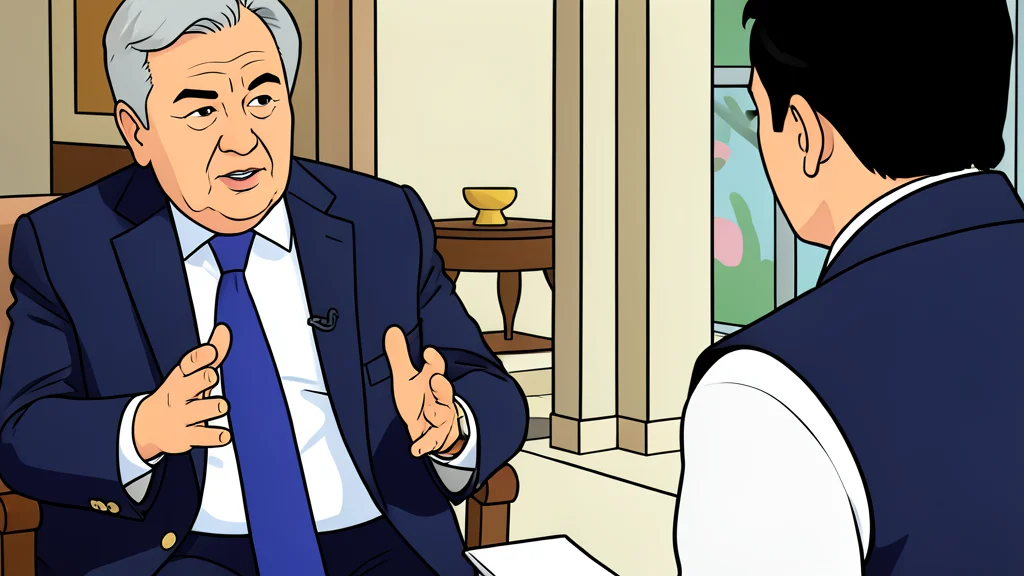
UN Secretary-General António Guterres argues that while the Security Council remains stalled, the broader organization retains its functional integrity.
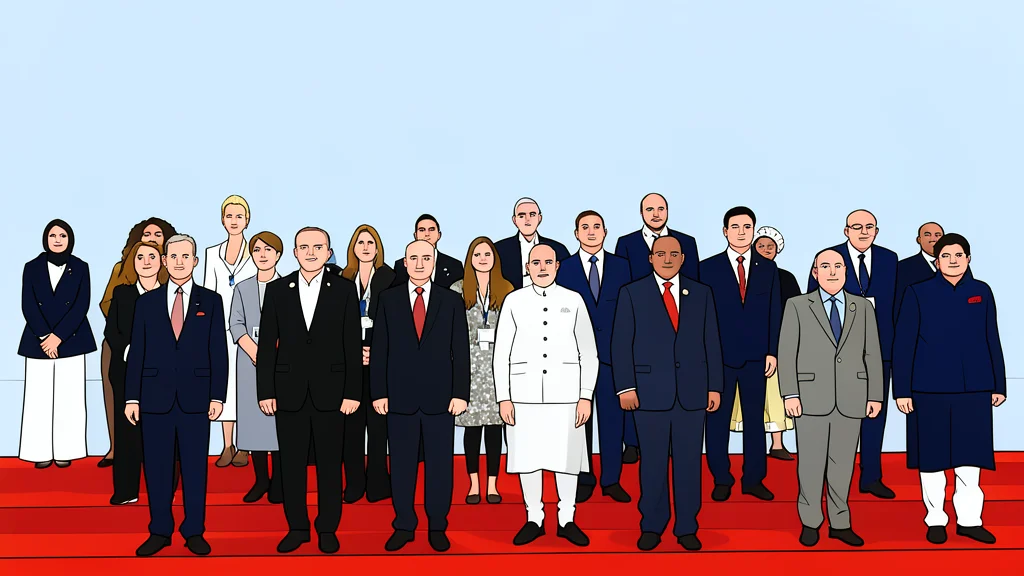
UN Secretary-General António Guterres has characterized the current state of the Security Council as paralyzed, asserting that this dysfunction does not equate to the collapse of the United Nations itself. Speaking in New Delhi on September 12 during the margins of the 18th BRICS summit, Guterres offered a candid assessment of global governance, distinguishing between the specific stagnation of the five permanent members and the continued operational capacity of the wider UN system.
The remarks come at a time of heightened scrutiny regarding the effectiveness of multilateral institutions. According to GN geopolitics/un, the Secretary-General’s comments reflect a broader frustration with the inability of the top body of the UN to reach consensus on critical security issues. This distinction is crucial for understanding the current diplomatic landscape, where the organization continues to function in many areas despite the deadlock in the Security Council.
Criticism of global power dynamics
Guterres directed his criticism toward major global powers, suggesting that they have failed to recognize the inherent limits of their own influence. He described a prevailing culture of impunity and division that he believes undermines effective global leadership. This assessment highlights a perceived disconnect between the actions of leading states and the requirements of a cohesive international order, pointing to a systemic challenge that extends beyond procedural rules.
Mediation efforts and upcoming transition
In the same interview, the Secretary-General acknowledged India’s diplomatic initiatives, specifically noting the country’s efforts to mediate between Russia and Ukraine. While the context of the conflict remains complex, Guterres’ positive evaluation of these mediation attempts underscores the role of non-aligned or influential middle powers in fostering dialogue. Additionally, he confirmed that he will conclude his tenure at the end of the year, setting the stage for a significant leadership transition within the organization.
Future challenges and reform agenda
The conversation also touched upon broader issues, including the necessity for UN reform and the process for selecting Guterres’ successor. Recent developments in the Middle East, including the ongoing situation in Gaza, were discussed, reflecting the organization's struggle to address acute humanitarian crises. The forward question remains how the incoming leadership will navigate these entrenched divisions and whether the proposed reforms can bridge the gap between the paralyzed Security Council and the functional UN apparatus.