Guterres Urges Cooperation as Global Divisions Deepen
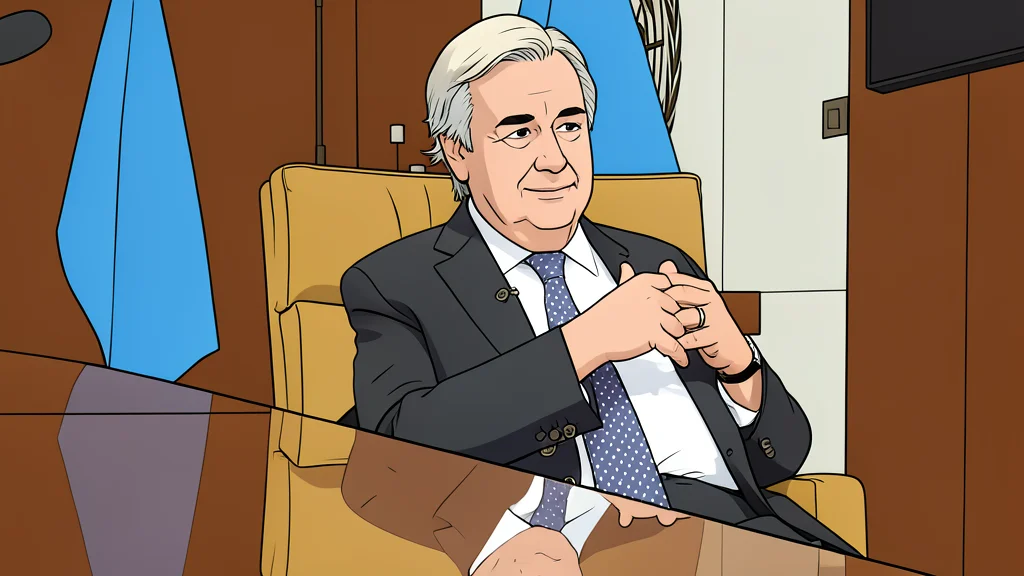
With his tenure ending, the UN Secretary-General argues that existential threats demand renewed multilateral engagement despite current institutional paralysis.
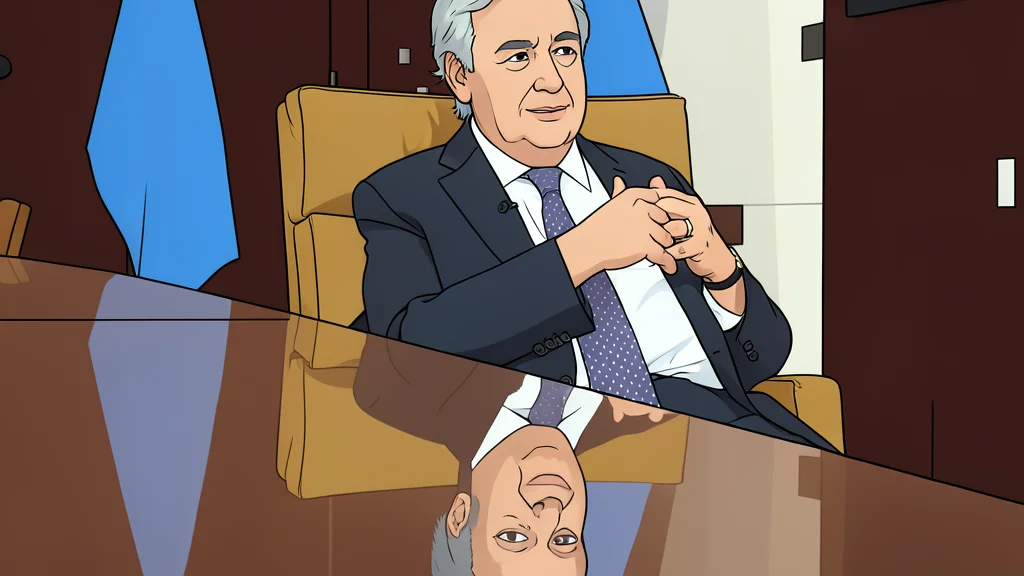
United Nations Secretary-General António Guterres has outlined a stark assessment of the current international order, describing a world that is deeply divided and increasingly prone to unilateral action. Speaking shortly before the annual General Assembly, he emphasized that the United Nations remains the only platform capable of addressing the era's most critical challenges, even as its Security Council faces persistent gridlock.
According to reports from GN geopolitics/un, Guterres identified three existential problems that define the current geopolitical landscape: runaway artificial intelligence, accelerating climate change, and escalating inequality. He warned that these issues are not isolated crises but interconnected drivers of instability that require collective, coordinated responses from the global community rather than fragmented national efforts.
Erosion of international law
A central concern in Guterres’s remarks was the perceived impunity enjoyed by major powers when they bypass established international norms. He noted that when influential nations flout the UN Charter, it creates a dangerous precedent that encourages other states to act without restraint. This environment, he argued, undermines the rule of law and exacerbates conflicts in regions such as Ukraine and the Middle East.
The diplomatic consequences of this erosion are significant, as it weakens the moral authority of international institutions. Guterres stressed that the UN must continue to affirm that legal principles take precedence over the use of force, serving as a reference for values even when political leverage is limited. This stance highlights the tension between the organization's normative role and its practical inability to enforce compliance among member states.
Necessity of institutional reform
To restore relevance and effectiveness, the Secretary-General called for a comprehensive overhaul of global institutions, including the UN Security Council, the International Monetary Fund, and the World Bank. He argued that these bodies, established after World War II, do not fully reflect the economic and political realities of the twenty-first century, particularly the growing influence of emerging economies.
Guterres suggested that the current crises may serve as a catalyst for change, forcing nations to recognize that they cannot solve complex problems alone. By convening leaders and speaking out on critical issues, the UN seeks to foster a spirit of cooperation that transcends geopolitical divides, positioning itself as a necessary forum for navigating the challenges ahead.
Looking toward future cooperation
As he prepares to leave office, Guterres expressed a cautious optimism that the severity of global threats will drive nations toward necessary collaboration. The forward question now centers on whether the upcoming General Assembly will yield concrete commitments to reform and cooperation, or if existing divisions will continue to paralyze the international system in the face of mounting challenges.