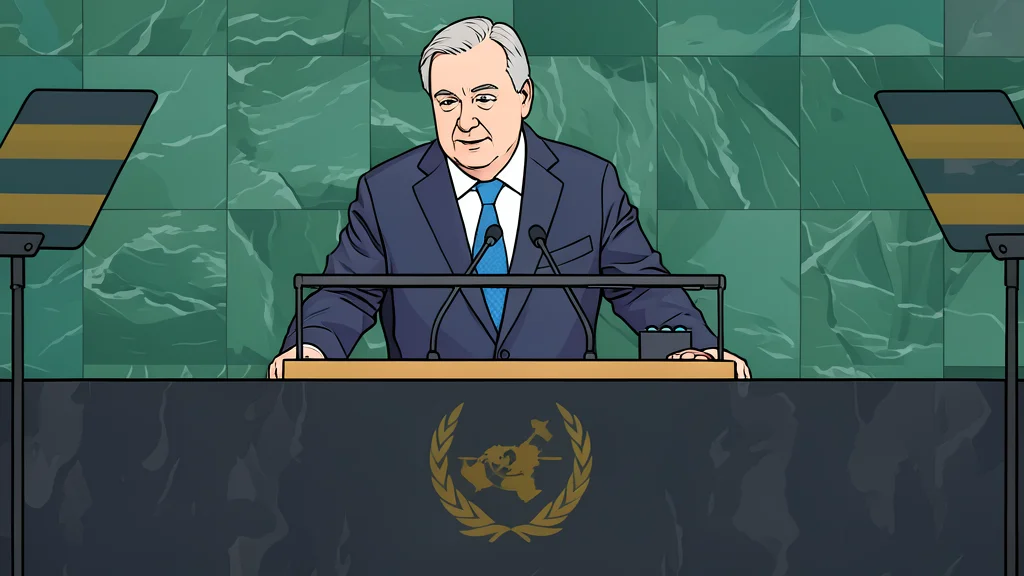
Baku Urges Global Justice at UN Security Council Forum
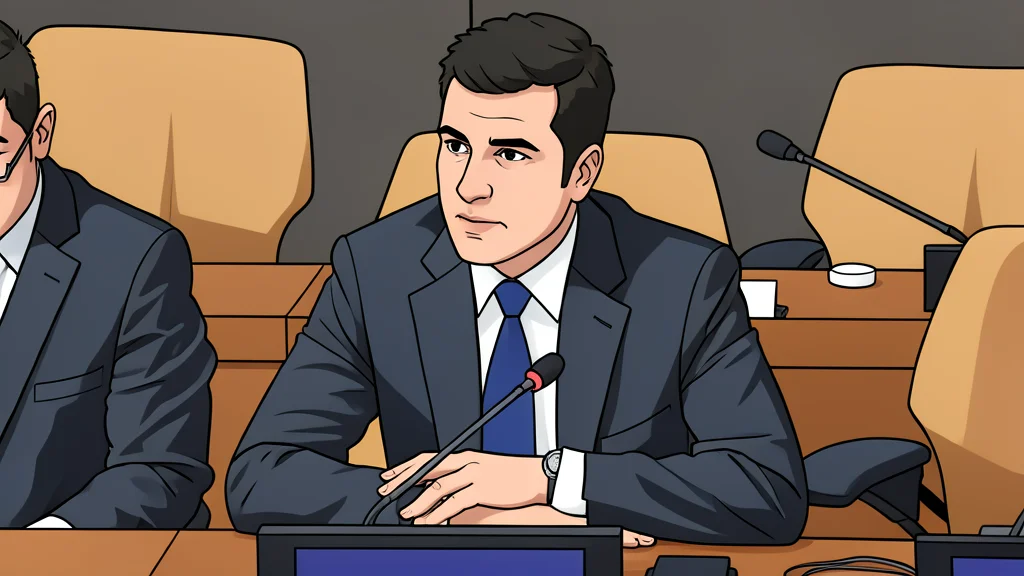
Azerbaijan’s UN representative argued that political will is the missing link in enforcing international law, citing the country’s decades-long experience with occupation and conflict.
Azerbaijan has placed the enforcement of international law and the pursuit of accountability for war crimes at the center of its recent diplomatic engagements at the United Nations. Speaking at a Security Council Arria-formula meeting convened by Pakistan, the nation’s senior diplomat emphasized that the current international framework often fails to prevent aggression or protect civilian infrastructure during armed conflicts.
According to GN geopolitics/un, the remarks from Tale Aliyev, First Secretary at Azerbaijan’s Permanent Mission, highlighted a specific critique of the global system’s limitations. He noted that despite the existence of binding legal instruments, the international community has historically been unable to halt serious violations or end prolonged occupations, suggesting that the gap between legal norms and political reality remains a significant hurdle for peace.
Political Will Drives Legal Compliance
Aliyev argued that the primary obstacle to justice is not a lack of legal definitions, but a deficit of political commitment. He stated that states possess clear obligations under customary international law to investigate and prosecute individuals responsible for serious offenses. These duties extend to upholding peremptory norms and obligations owed to the international community as a whole, which he described as the foundation for a stable legal order.
The diplomat specifically warned against practices that undermine these obligations, such as blanket amnesties or the granting of immunity to those accused of grave crimes. He contended that such measures are incompatible with international law and serve to create a culture of impunity. By opposing these practices, nations can better support victims and ensure that perpetrators are held responsible for their actions.
Impunity Undermines Lasting Peace
The statement drew a direct line between unresolved atrocities and the fragility of peace agreements. Aliyev cautioned that when genocide, war crimes, or ethnic cleansing are left unpunished, they create conditions conducive to renewed conflict. He posited that genuine reconciliation is impossible without a process of accountability, as unacknowledged suffering impedes the social and political healing necessary for long-term stability.
Furthermore, the mission called on the international community to actively counter disinformation campaigns aimed at securing the release of individuals responsible for serious international crimes. By supporting national accountability efforts and standing firmly against impunity, the global community can reinforce the rule of law and prevent the erosion of the foundations upon which lasting peace is built.
Forward Path for International Justice
As the debate on upholding international law continues in multilateral forums, the focus is shifting toward how political will can be translated into concrete legal actions. Observers will likely watch for further initiatives aimed at closing the gap between international norms and their practical application in conflict zones, particularly regarding the protection of civilians and the prosecution of those who violate established legal standards.