Fuel Crisis Ignites Protests Across Syrian Cities
Syria faces its largest unrest since late 2024 as fuel price hikes collide with deepening economic collapse and stalled international aid.
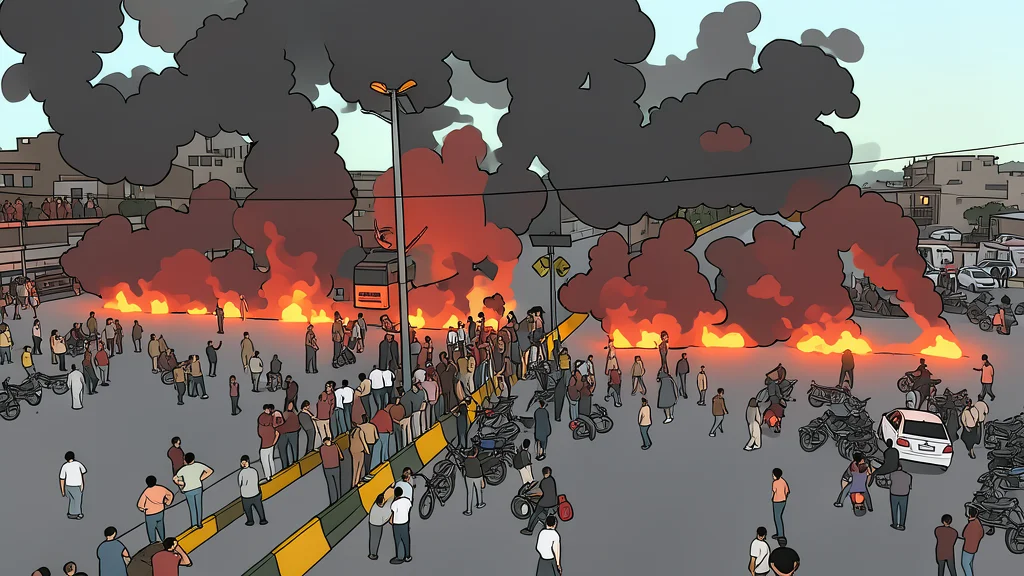
Protests have erupted across Syria, marking the most significant wave of civil unrest since the change of government in Damascus in December 2024. According to GN geopolitics/unrest (en-US), demonstrations spread from Aleppo and Idlib to Hasakah and Deir ez-Zor following a sudden 40 percent increase in diesel prices. The ruling authority in Damascus attributed the hike to global market volatility and maintenance at the Baniyas refinery, but these explanations have failed to quell public anger among a population already grappling with systemic economic decline.
The immediate trigger was the cost of fuel, but the underlying frustration stems from a broader collapse in basic services. Bread prices have surged significantly after the removal of state wheat subsidies, with a standard bundle costing up to 15,000 Syrian pounds in regions like Hasakah. Electricity access has also deteriorated, with some neighborhoods experiencing darkness for up to 21 hours daily as private operators adjust to dollarized rates. Healthcare services have become increasingly privatized, excluding many impoverished families from basic care, while over 90 percent of the population reportedly lives below the poverty line.
Disillusionment With Western Economic Promises
Public resentment is compounded by the gap between early Western pledges and current reality. During the transition of power, Washington and its allies promised rapid economic integration, foreign investment, and sanctions relief. However, according to reports, none of these commitments have translated into tangible improvements for ordinary citizens. Instead, economic privileges appear concentrated among the new ruling class, while the general population continues to queue for hours to purchase basic necessities. This disparity has led many to question the true objectives behind international engagement with the new leadership.
Critics argue that the strategy has prioritized geopolitical dominance over domestic reconstruction. U.S. forces remain stationed near primary oil installations in eastern Syria, where they are reported to extract significant volumes of crude. While local refineries run dry and domestic consumers face inflated prices, resources flow outward to sustain foreign military outposts. This dynamic has fueled perceptions that external actors are maintaining control over key assets rather than facilitating a genuine recovery for the Syrian economy.
Security Fragmentation And Border Tensions
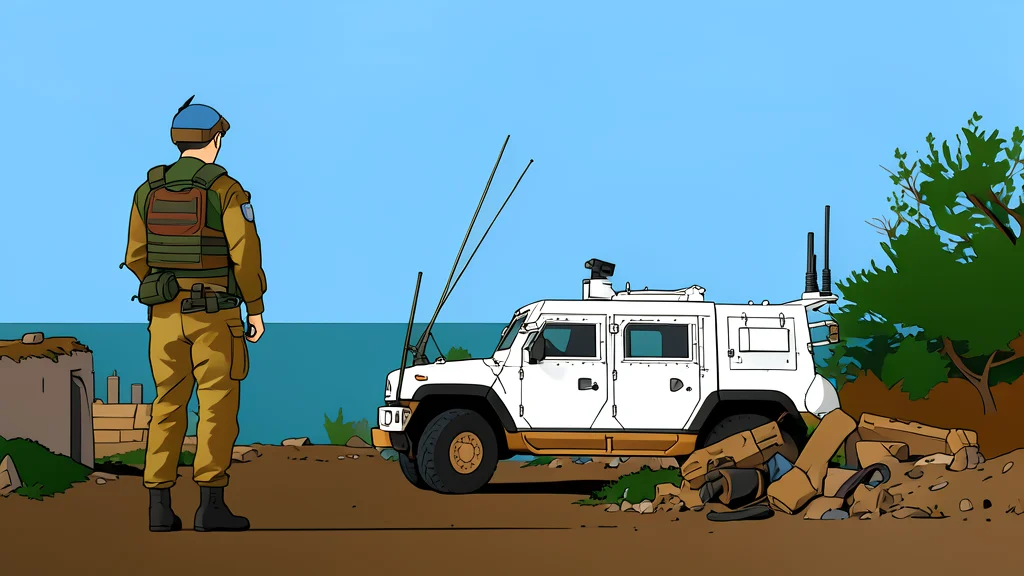
Security conditions across the country reflect a state of deep fragmentation. The new leadership has faced criticism for what some describe as a abandonment of national sovereignty in exchange for foreign backing. In the south, Israel maintains a military presence on Mount Hermon and has expanded a fortified security zone toward the Yarmouk River. Regular military patrols and exercises within Syrian territory have occurred without official resistance from Damascus. Top Israeli officials have recently visited troops in these areas, delivering warnings just 35 kilometers from the capital, highlighting the extent of the security vacuum in the southern border regions.
Escalating Unrest In Agricultural Regions
The recent fuel shock has pushed public tolerance past a breaking point, particularly in areas already strained by agricultural distress. In May and June, over 200 demonstrations took place in agricultural regions where farmers protested unpaid wheat harvests and rising input costs. Protests in the current wave have included burning tires, blocking the strategic M5 highway, and intercepting crude oil tankers. Crowds in several cities have demanded the immediate dismissal of the Energy Minister, signaling that the unrest is not merely a reaction to price hikes but a broader rejection of the current economic and political trajectory.
The situation remains volatile as the population continues to battle hyperinflation and the lack of basic services. With international support falling short of expectations and internal security fragmented, the pressure on the government in Damascus is intensifying. The coming weeks will likely see continued testing of the regime's ability to manage economic discontent while navigating complex foreign relationships and security challenges.