Trump Frames UN Iran Policy as Deal or Military Escalation
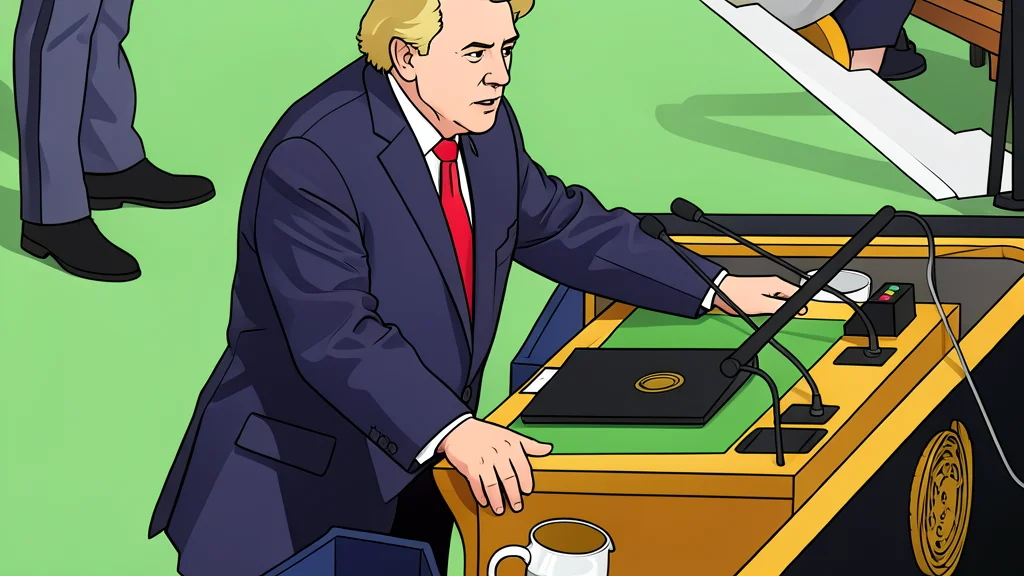
President Trump warned the UN that the US faces a binary choice regarding Iran, following a reported high-level diplomatic meeting.
Key points
- Trump stated the US faces a choice between an Iran deal or rapid military action to prevent nuclear acquisition.
- The president reported a productive three-hour meeting between American and Iranian representatives without detailing terms.
- Trump outlined a strategy to assert US power in the Western Hemisphere while rejecting international judicial jurisdiction.
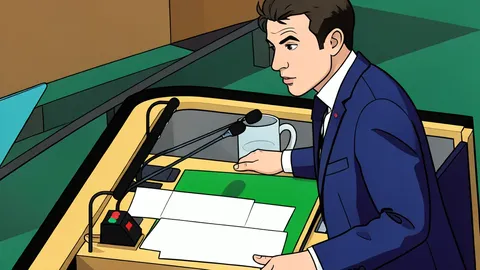
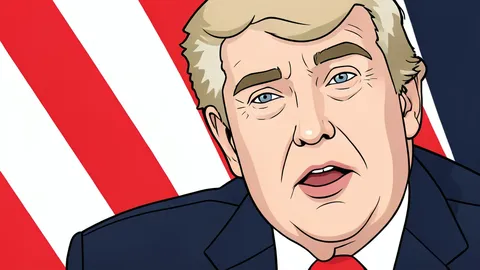
President Donald Trump addressed the United Nations General Assembly in New York, presenting a stark diplomatic and military dilemma regarding the situation with Iran. According to The Well News, the president stated that the United States faces a choice between reaching a comprehensive agreement with Tehran or taking decisive military action to prevent the country from acquiring nuclear weapons.
The remarks were delivered during the opening session of the assembly, shortly after Secretary-General António Guterres urged governments to end armed conflicts. Trump characterized the potential outcome as a decision between allowing Iran to rebuild as a stable nation or engaging in rapid military operations. He emphasized that the United States will not permit Iran to obtain a nuclear weapon, calling on other nations to economically isolate Tehran in support of this goal.
Diplomatic Progress Amidst Threats
Despite the strong language used in his address, Trump indicated that significant diplomatic engagement has recently taken place. He reported that American and Iranian representatives had held a three-hour meeting, which he described as very productive. The president suggested that a deal is possible but declined to provide specific details on the terms or a timetable for further negotiations.
The Iranian delegation’s response to the speech was not immediately available. President Masoud Pezeshkian is scheduled to address the assembly later in the week, offering an opportunity for Tehran to respond directly to the American warnings. Trump’s comments come amid broader tensions, as he also defended recent military campaigns conducted with Israel, asserting that these operations have successfully hindered Iran’s nuclear progress.
Broader Strategic Priorities Asserted
Beyond the Iran issue, Trump outlined a broader strategic vision for American power in the Western Hemisphere. He cited military actions against Venezuela and operations targeting drug cartels as evidence that the United States will no longer allow threats to gain a foothold in the region. The president described cartels as terrorist organizations and criticized Cuba, prompting some members of the Cuban delegation to leave the hall during the discussion.
The president also rejected international frameworks that he believes limit American sovereignty. He opposed what he termed a globalist scheme for controlling artificial intelligence and criticized the International Criminal Court and the U.N. Human Rights Council. Trump stated that American military personnel would not be subject to the jurisdiction of these international bodies, reinforcing a stance of unilateralism in foreign policy.
Bilateral Meetings Signal Cooperation
Following his speech, Trump held a series of bilateral meetings with world leaders. In a discussion with British Prime Minister Andy Burnham, the two leaders expressed alignment on the necessity of preventing Iran from acquiring nuclear weapons. Burnham noted that they established a good connection, while Trump reaffirmed the united stance of the United States and Britain on this critical security issue.
The president also met with Japanese Prime Minister Sanae Takaichi, focusing on strengthening bilateral ties and their working relationship. Later, he engaged with Ukrainian President Volodymyr Zelenskyy, discussing the ongoing conflict in Europe. These meetings underscore a diplomatic effort to coordinate with allies on multiple fronts, even as the situation with Iran remains a central point of contention.