Houthis Capture Red Sea Port as US Declines Saudi Aid Request
Yemeni forces seized the strategic port of Mokha and Perim Island, while Washington reportedly refused direct military support to Riyadh.
Key points
- Houthi forces captured the Red Sea port of Mokha and Perim Island after rapid assaults on Saudi-backed troops.
- The US administration declined direct military aid to Saudi Arabia, prioritizing a ceasefire with the Houthis instead.
- Secret military meetings between Arab states and Israel were leaked, highlighting shifting regional security alliances.
Air raid sirens echoed across Saudi Arabia’s capital and key commercial hubs following a recent ballistic missile strike on a fuel depot near Riyadh’s international airport. According to reporting by Middle East Eye, the attacks highlight the escalating vulnerability of the Gulf kingdom to the Yemeni Houthi group, which claims these operations are a direct response to Saudi military strikes on Yemen.
The diplomatic fallout has been significant, as Washington has reportedly declined to provide direct military intervention for Riyadh. Despite Crown Prince Mohammed bin Salman’s commitments to invest hundreds of billions of dollars in the United States, the Trump administration has prioritized avoiding new fronts amid the ongoing blockade of Iran, leaving Saudi Arabia to face the Houthi threat largely alone.
Strategic Gains on the Red Sea
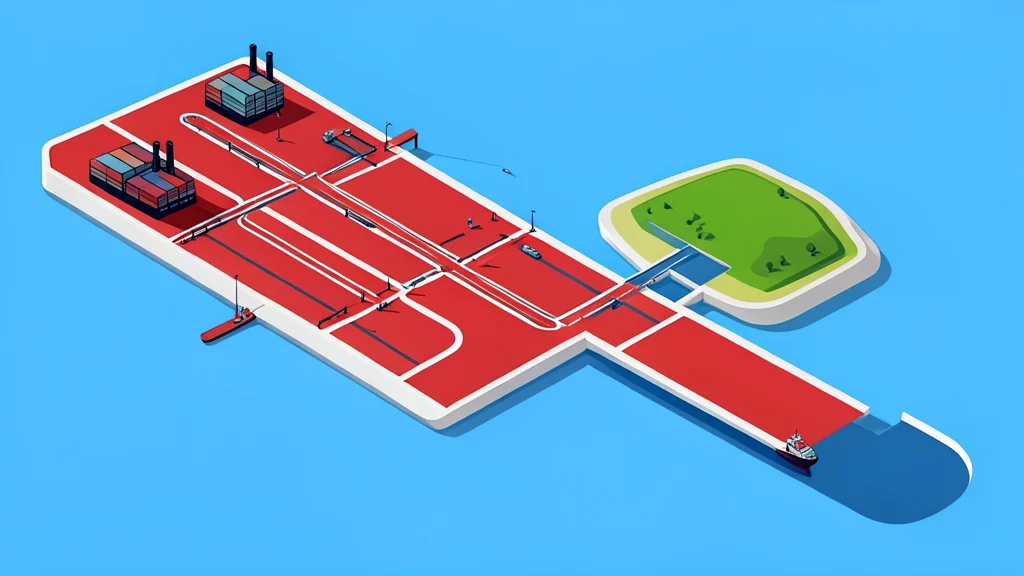
Military dynamics have shifted dramatically on the ground, with Houthi fighters launching rapid assaults from southern Hodeidah and western Taiz. The group successfully captured the Red Sea port of Mokha overnight and advanced to secure Perim Island, a critical strategic point overseeing the Bab al-Mandeb Strait. These gains occurred as Saudi-backed government forces withdrew from the contested areas.
The intensity of the fighting has resulted in significant casualties on both sides. Anti-Houthi National Resistance Forces reported that more than 500 of their fighters were killed and 1,500 were injured during the clashes. Fighting continues in and around Mokha, signaling that the conflict remains far from resolved despite previous ceasefire attempts.
Washington’s Diplomatic Calculus
In a move that appears to sideline its Gulf ally, the US administration has engaged in direct negotiations with Houthi leaders. Under terms recently agreed upon in Muscat, Houthi officials have confirmed they will uphold a 2025 ceasefire with the United States. This arrangement ensures the Red Sea remains open to global shipping, with the specific exception of Saudi vessels, effectively allowing the Houthis to continue their conflict with Riyadh while maintaining a truce with Washington.
The decision reflects a broader US strategy to manage regional stability without committing new military resources. By offering intelligence sharing and targeting assistance rather than direct protection, the administration aims to prevent the expansion of the conflict. This approach has left Saudi Arabia in a precarious position, unable to secure the military backing it previously relied upon from the world’s leading military power.
Regional Security Architecture Shifts
With traditional allies unavailable, regional security dynamics are undergoing a complex realignment. Military commanders from the US and aligned Arab states were recently brought together with Israeli counterparts in Germany for a secret meeting organized by US Central Command. The discussion focused on the Iran war, and the meeting was subsequently leaked by Israeli officials, highlighting the sensitive nature of these behind-the-scenes interactions.
Although Israel has offered military and intelligence assistance to the Gulf states, Saudi Arabia remains hesitant to fully integrate into an Israeli-led security framework. Analysts note that Riyadh is reluctant to shift its dependence from Washington to a new architecture centered on Israel. This hesitation underscores the ongoing uncertainty regarding the future of security partnerships in the region as traditional power structures are challenged.