Lima Forum Highlights Push for Inclusive Tech and Multilateral Dialogue
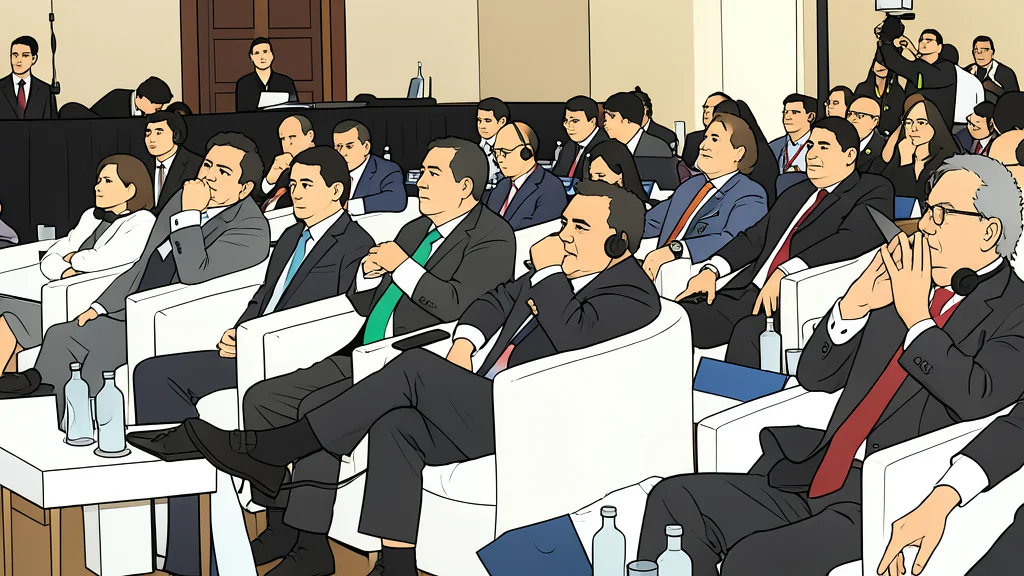
At a recent roundtable in Peru, leaders from China and Latin America called for a reformed global rights framework that prioritizes development and prevents technological division.
Senior officials and academics from China and the Latin American and Caribbean region gathered in Lima to advocate for a renewed approach to human rights governance. According to the GN geopolitics/rights (en-US) report, the central theme of the third roundtable was the integration of multilateral cooperation with the right to development. Participants argued that current international mechanisms are insufficient for addressing the specific challenges faced by Global South nations, particularly in the context of rapid technological change and geopolitical tension.
The event, which hosted nearly 200 attendees, served as a platform for discussing how sovereign states can manage differences through dialogue rather than confrontation. Key figures emphasized that while human rights are universal, the pathways to achieving them vary significantly based on historical and cultural contexts. This perspective challenges the notion of a single, standardized model of rights protection, instead promoting a pluralistic framework where development and subsistence are viewed as foundational priorities.
Development as a Core Right
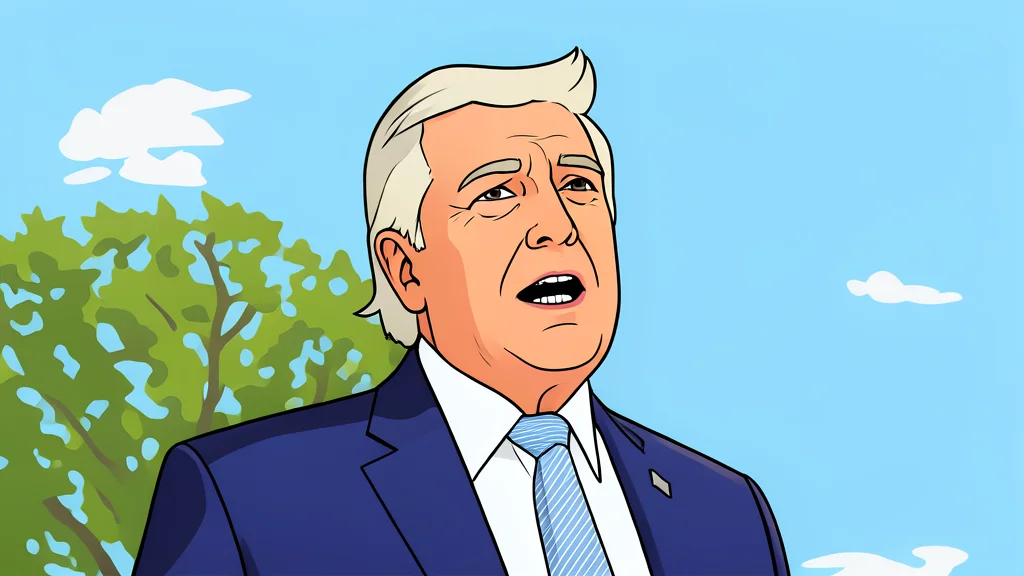
Eduardo Melchor Arana Ysa, former prime minister of Peru, stressed that the right to development is critical for countries in the Global South. He noted that concepts of freedom and dignity are difficult to sustain when basic needs such as food, clothing, and housing are unmet. Arana Ysa highlighted that China’s poverty reduction efforts serve as a practical example of prioritizing subsistence rights, suggesting that these outcomes deserve broader international recognition. This view aligns with the broader argument that economic stability is a prerequisite for the full realization of other human rights.
Gustavo Pacheco Villar, founding president of the International Institute of Government in Peru, echoed these sentiments by praising the achievement of lifting hundreds of millions of people out of extreme poverty. He described the right to life as paramount, particularly in the face of armed conflicts and wars. Villar also pointed out that in modern society, the right to use science and technology is an essential component of human rights, urging for a global environment where technological progress benefits all populations rather than a select few.
Navigating the AI Era Challenges
The rise of artificial intelligence has introduced new complexities to the right to development, according to several speakers. Arana Ysa warned that without careful management, technology risks widening the divide between the North and the South. He urged Latin American nations to avoid falling into the trap of choosing sides among major powers and instead build their own capabilities through broad international cooperation. True multilateralism, he argued, should ensure that the technological revolution serves the common good and does not exacerbate existing inequalities.
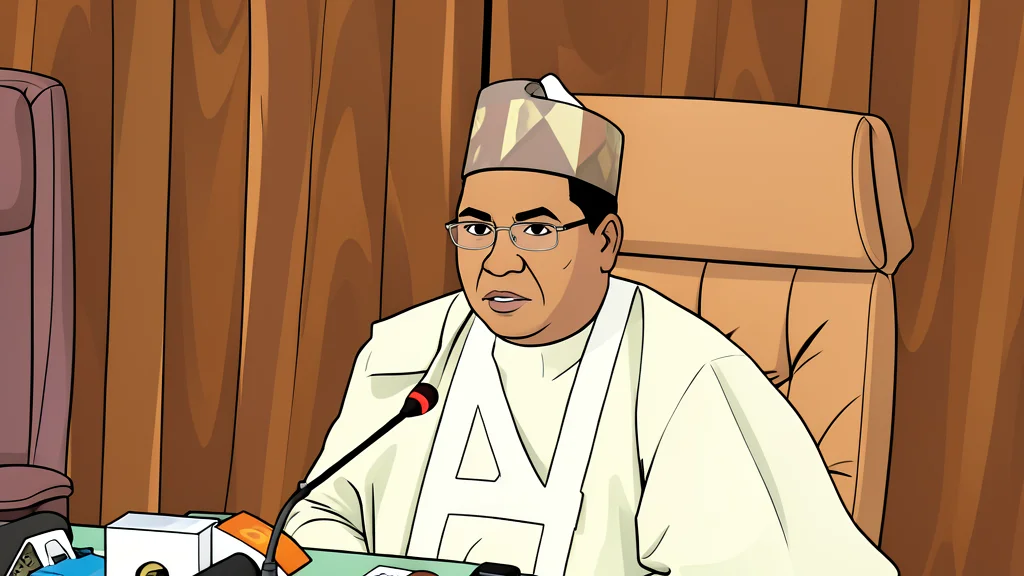
Chinese Ambassador Song Yang highlighted China’s commitment to using technology to enhance public security and social well-being. He mentioned the proposal for a World AI Cooperation Organization, a move supported by Brazil and other nations, aimed at allowing more Global South countries to benefit from AI advancements. Additionally, Yang pointed to the deployment of AI-powered meteorological warning systems as an example of how technological tools can bridge the gap and improve safety for vulnerable communities. This approach positions technology as a tool for inclusive development rather than a source of competition.
Reforming Global Governance Structures
Ma Huaide, vice-president of the China Society for Human Rights Studies, stated that the current international human rights governance system faces significant deficits. He criticized the arbitrary use of armed intervention and unilateral sanctions by some countries to maintain hegemonic power, arguing that these actions undermine the stability necessary for rights protection. Huaide called for a common effort among developing countries to reform these institutions, emphasizing that true multilateralism is essential for addressing global challenges effectively. This perspective reflects a growing desire within the Global South for a more equitable and representative international order.
The discussions in Lima underscore a shared pursuit among China and Latin American countries to enhance people's well-being through sovereign and independent paths. Both regions have accumulated extensive experience in safeguarding the rights to subsistence and development based on their national realities. As the geopolitical landscape continues to shift, the focus on dialogue and inclusive technology remains a critical area for future cooperation. Observers will likely watch how these proposals translate into concrete policies and whether they can foster a more balanced global human rights framework.