Nigeria Seeks Structural Shifts in Global Financial Architecture
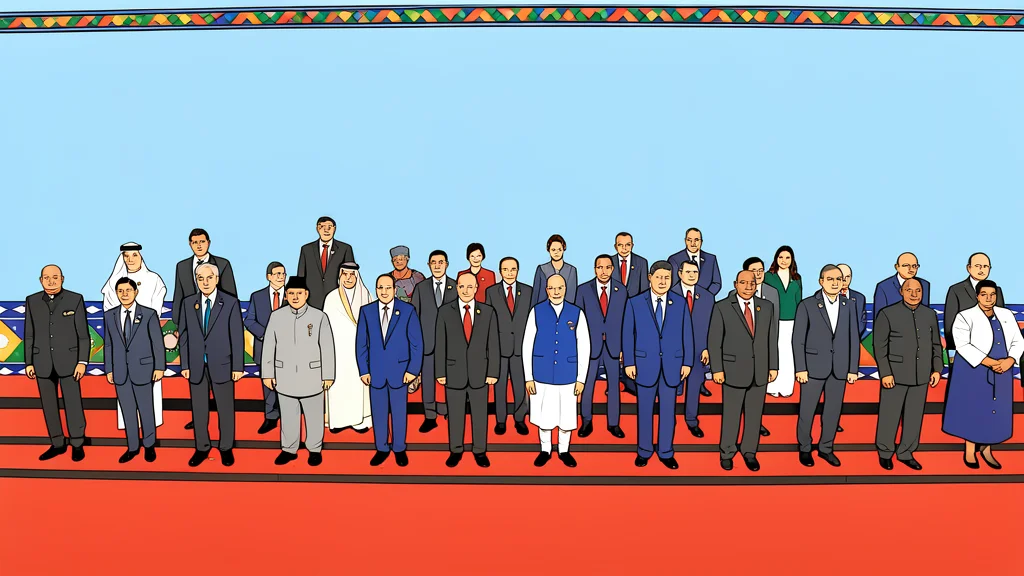
At the 2026 BRICS Summit in New Delhi, Nigerian leadership argued for deeper reform of international institutions to better reflect the economic weight of the Global South.
Nigeria has formally called for a comprehensive overhaul of global governance structures, asserting that current international financial institutions no longer reflect the demographic and economic realities of the twenty-first century. This position was articulated during the 2026 BRICS Summit in New Delhi, where the Nigerian leadership emphasized the urgent need for systems that are more representative, equitable, and responsive to the emerging economies of the Global South.
The address was delivered by Vice President Kashim Shettima on behalf of President Bola Ahmed Tinubu. According to the statement circulated by the Presidency, Nigeria supports specific reforms, including changes to the United Nations Security Council and a restructuring of the international financial system. The core argument presented at the summit is that BRICS serves as a critical platform for amplifying the voice of developing nations, pushing for an international order that aligns with contemporary geopolitical shifts.
From Dialogue To Measurable Outcomes
Beyond institutional critique, the Nigerian delegation urged BRICS members to transition from high-level dialogue to tangible implementation. The leadership stressed the importance of moving from abstract commitments to practical delivery that results in measurable development outcomes for both member and partner countries. This shift is framed as a necessity for maintaining the relevance and credibility of the bloc in a fragmented global economy.
To achieve this, Nigeria highlighted its ambition to serve as a gateway to Africa’s expanding market under the African Continental Free Trade Area. The administration presented economic resilience as a core objective, aiming to build an economy capable of withstanding global shocks while generating sustainable opportunities for its citizens. This strategy is embedded in the Renewed Hope Agenda, which prioritizes macroeconomic stability, production diversification, and private-sector-led growth.
Investment And Technology Priorities
Nigeria positioned itself as a prime destination for foreign investment, specifically inviting partners to leverage the country’s young and dynamic population as a driver of innovation. Key areas of focus include digital skills, artificial intelligence, and technology-enabled businesses. The leadership outlined initiatives such as Project BRIDGE, which aims to expand broadband infrastructure and digital public services, seeking to create an open, secure, and inclusive digital ecosystem that advances responsible AI and cybersecurity.
According to the source material from the international summit, these efforts are part of a broader push for cooperation in trade, agriculture, energy, and critical minerals. The Nigerian leadership emphasized the need for partnerships that advance technology transfer, local value addition, and industrial capacity. By focusing on human-capital development and infrastructure connectivity, Nigeria seeks to transform its demographic advantage into a competitive economic asset within the BRICS framework.
Climate Finance And Sustainability
The summit also addressed the balance between climate action and development aspirations. President Tinubu reaffirmed Nigeria’s support for affordable climate finance and capacity-building for African nations. The proposed model seeks to integrate renewable energy, gas, and clean technologies with the practical needs of emerging economies. This approach underscores a commitment to climate-smart agriculture and industrialization that does not compromise economic growth.
As the BRICS bloc continues to evolve, the next phase will likely focus on the operationalization of these commitments. Observers will watch closely for concrete agreements on development finance and technology transfer mechanisms. The outcome of these discussions will determine whether the summit’s rhetoric translates into structural changes that genuinely reshape the global economic landscape for the Global South.