Security Council Reaffirms Commitment to Universal International Law
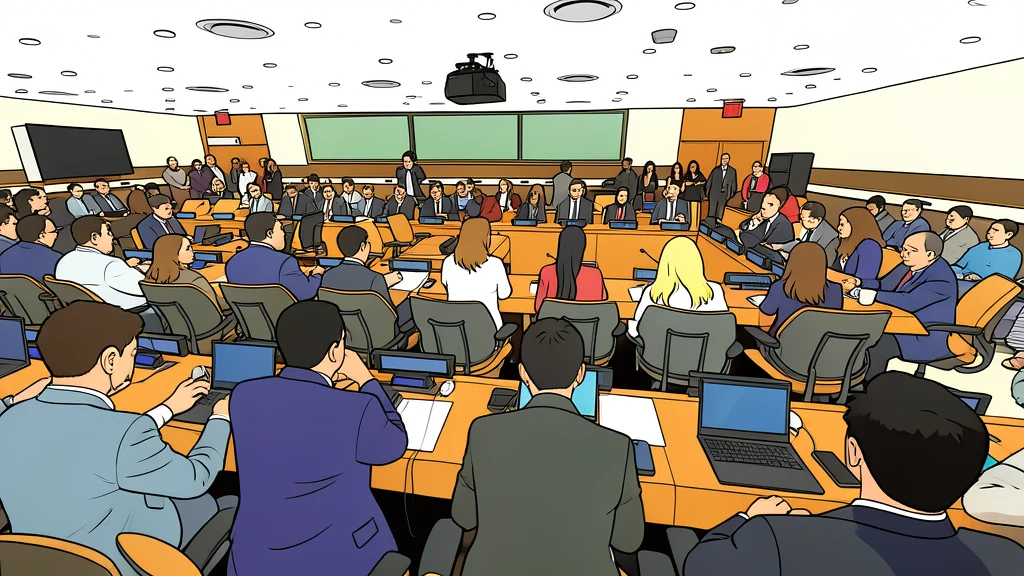
A recent Arria-Formula meeting hosted by Pakistan highlighted a growing consensus that international humanitarian law must be applied consistently to protect civilians in conflict zones.
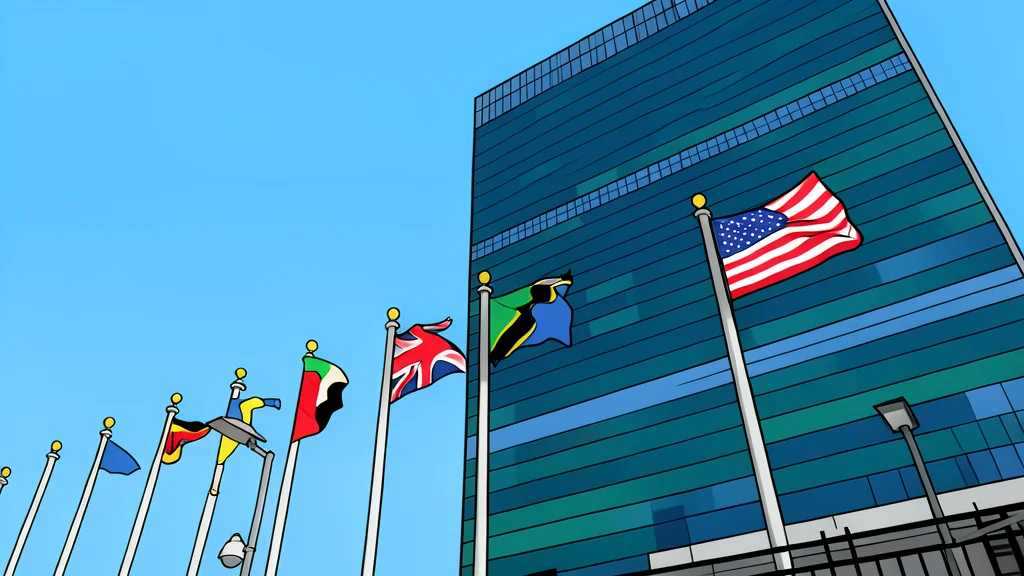
Representatives from the United Nations Security Council gathered in New York for a high-level dialogue on the imperative of applying international law without distinction. The session, convened under the Arria-Formula procedure by Pakistan, an elected member of the Council, focused on the critical need for universal adherence to humanitarian standards during armed conflicts. According to participants, the core message was clear: international law serves as the essential baseline for conduct in war and must be respected by all parties to prevent profound human suffering.
The meeting brought together a wide range of UN Member States, including both permanent and elected Security Council members, who recognized the urgency of the issue. As conflicts continue to displace and harm civilians globally, there was broad agreement that accountability and the protection of humanitarian access depend on consistent enforcement of legal norms. The initiative was welcomed by delegates who viewed the gathering as a necessary step toward reinforcing the authority of the international legal order.
Institutional Perspectives on Civilian Protection
Experts from key humanitarian and peacekeeping organizations provided briefings that underscored the practical implications of legal compliance. Aurélien Buffler from the UN Office for the Coordination of Humanitarian Affairs (OCHA) and Elyse Mosquini from the International Committee of the Red Cross (ICRC) highlighted the direct link between rule-following and the safety of civilian populations. Their testimony emphasized that without strict adherence to international humanitarian law, the delivery of aid and the protection of vulnerable groups become increasingly difficult.
Further insights were offered by Dr. Jenna Russo of the International Peace Institute and Dr. Ghulam Nabi Fai, Chairman of the World Forum for Peace and Justice. Both speakers argued that compliance is not merely a legal obligation but a moral necessity for maintaining global peace. According to GN geopolitics/un, these briefers presented a unified view that effective implementation of international law is indispensable for ensuring accountability and preserving the stability of the international system.
Permanent Members Stress Consistent Application
Interventions by the five permanent members of the Security Council reflected a shared recognition of the importance of humanitarian law, despite their differing national perspectives. One permanent member noted that international law establishes clear rules for all parties engaged in conflict, placing the protection of civilians at the heart of these obligations. Another representative stressed the responsibility of Council members to ensure that their resolutions are implemented effectively and that civilian infrastructure is safeguarded during hostilities.
The discussions also addressed the challenges facing the current international legal regime. Several delegates identified selective application of rules and double standards in responding to violations as significant obstacles. It was emphasized that armed conflict acts as a serious test for the international order, and that only through objective and impartial positions can the authority of international law be upheld. The consensus was that leaders must set an example by promoting effective implementation of Council resolutions.
Looking Toward Future Implementation
As the meeting concluded, the focus shifted to the forward-looking challenge of translating these principles into action. The primary question remaining is how the international community will ensure that the commitments made in New York are reflected in conflict zones around the world. Observers will be watching for concrete steps by Security Council members to address double standards and to enforce accountability mechanisms more rigorously in the months ahead.
The outcome of this dialogue sets the stage for future negotiations and policy adjustments within the UN framework. The success of the international humanitarian law regime will likely depend on whether states can move beyond rhetorical support and toward consistent, universal enforcement. The next phase of this process will be closely monitored by human rights organizations and member states seeking to bridge the gap between legal ideals and on-the-ground realities.