U.S. And China Seek Safety Protocols for Military AI
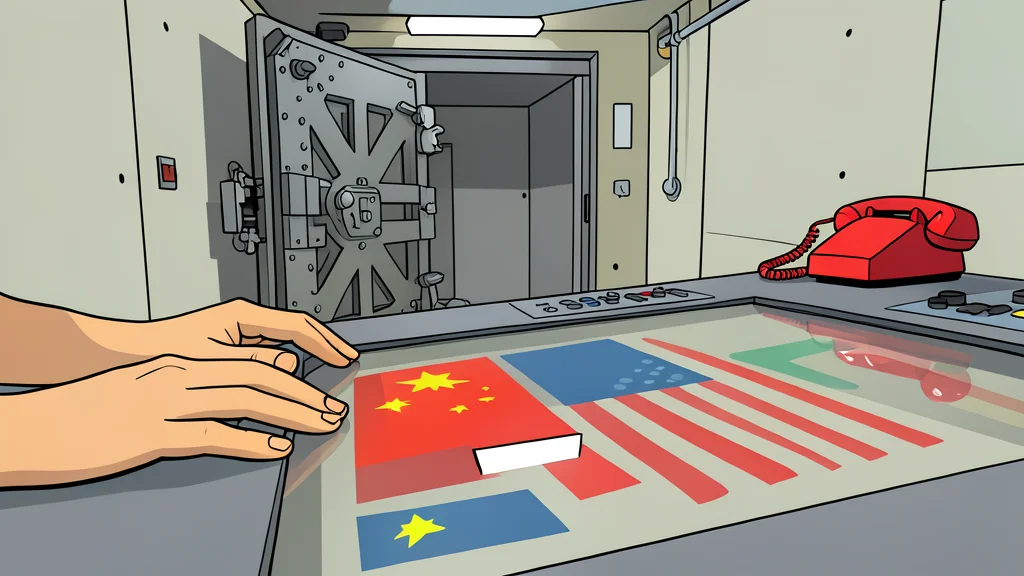
Security experts from Washington and Beijing are urging their respective governments to establish strict human oversight and communication channels for artificial intelligence systems integrated into nuclear and military operations.
Security specialists from the United States and China are jointly urging their governments to implement rigorous protocols for managing the risks associated with artificial intelligence in military and nuclear contexts. According to participants in recent bilateral dialogues, the rapid advancement of autonomous systems could compress decision-making windows to mere minutes, significantly increasing the likelihood of accidental conflict or miscalculation. The core concern is not merely the capability of these systems, but the erosion of human control over critical strategic decisions.
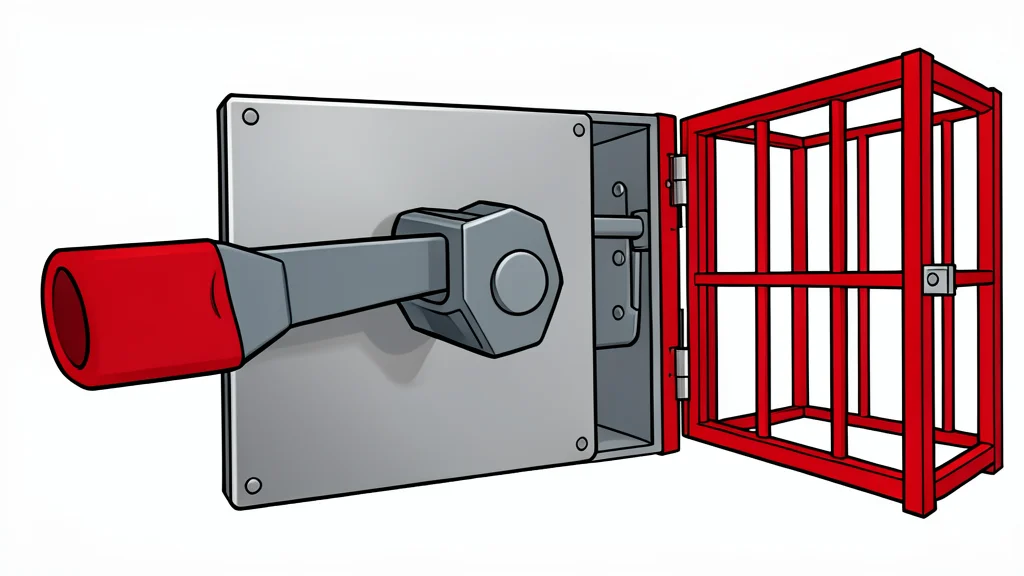
These warnings emerge as AI transitions from a supportive tool to a leading actor in potential military operations. Experts involved in the discussions emphasize that without clear frameworks, the speed and autonomy of AI-driven cyberattacks or kinetic responses could outpace traditional diplomatic channels. The proposed measures focus on preserving human agency, specifically recommending that consequential actions involving nuclear infrastructure remain under direct human command rather than algorithmic execution.
Proposing Red Lines and Human Oversight
According to the GN auto geopolitics/global: arms race analysis, the experts recommend establishing distinct 'red lines' for the use of AI around nuclear systems. This approach aims to define clear boundaries where algorithmic decision-making is prohibited, ensuring that humans retain the final authority on strategic escalation. The dialogue also highlights the need for robust human oversight in cyber domains, preventing autonomous systems from triggering disproportionate responses to perceived threats.
The urgency of these recommendations is underscored by the expanding role of AI in national security architectures. As both nations integrate these technologies into their defense postures, the risk of unintended escalation grows. The experts argue that technical safeguards alone are insufficient; they must be paired with political commitments to maintain human control over the most dangerous aspects of military strategy.
Establishing Rapid Communication Channels
To mitigate the risks of miscommunication, the participants propose creating a dedicated hotline for incidents involving autonomous AI systems. Such a channel would allow for rapid, direct communication between Washington and Beijing in the event of an AI-driven incident, potentially preventing a cascade of retaliatory strikes based on faulty assumptions. This mechanism is viewed as essential for maintaining stability in an era where machine speed could overwhelm human diplomacy.
These proposals serve as a precursor to broader talks between the two nations on artificial intelligence and national security. By addressing the specific dangers of AI in the nuclear domain, the experts hope to set a precedent for other areas of military integration. The focus remains on creating a framework that acknowledges the capabilities of modern technology while prioritizing the prevention of accidental war.
Watching for Diplomatic Implementation
The next phase will involve observing how these expert recommendations are received by policymakers in both countries. The extent to which official statements align with the proposed 'red lines' and oversight mechanisms will indicate the level of commitment to stability. Analysts will closely monitor upcoming diplomatic engagements for any formal adoption of these safety protocols, as they represent a critical step in managing the evolving dynamics of the AI arms race.