UN General Assembly Gains Weight as Security Council Stalls
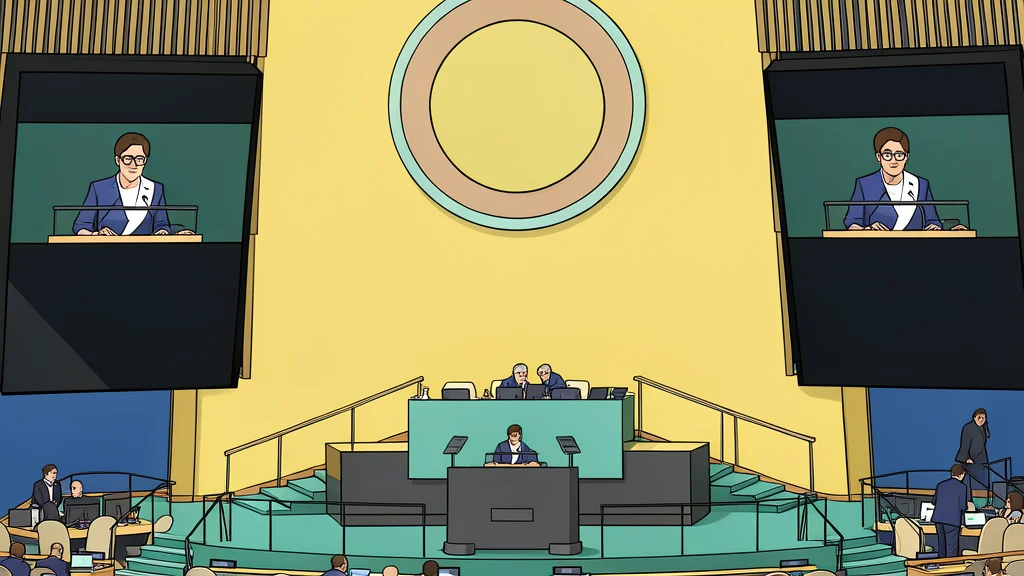
The 81st session highlights the UNGA's rising role as 193 states seek alternatives to Security Council gridlock.
Key points
- The UN General Assembly includes 193 member states, each with an equal vote.
- Global South states have held a numerical majority in the assembly since 1960.
- The Security Council’s veto system has led to significant political gridlock.
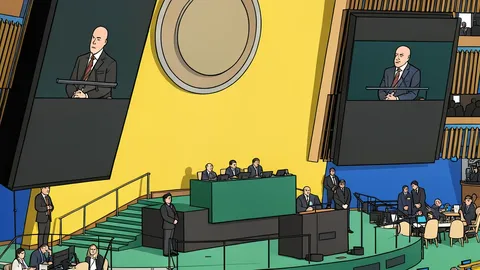
World leaders gather in New York for the 81st session of the UN General Assembly this week. The meeting occurs while many criticize the organization’s recent failures to act on major conflicts.
Critics point to the UN’s inability to sanction Israel or condemn US strikes on Iran. These failures have highlighted the growing constraints on the body’s traditional powers.
Security Council gridlock drives shift
According to Al Jazeera English, the Security Council has been paralyzed by its veto system. Five permanent members can block oversight of their own activities, preventing meaningful intervention.
This structural blockage has pushed political weight toward the General Assembly. Small and middle powers are gaining ground as the global balance of power shifts.
Equal votes reshape diplomatic dynamics
The General Assembly consists of 193 member states, each holding an equal vote. This structure creates a nominally even playing field for international diplomacy.
Lobbying for votes is intense because every state has the same influence. Horse-trading between nations can shift outcomes on crucial questions at key moments.
Global South shapes the agenda
States from the Global South have held a numerical majority since 1960. This has allowed them to set the agenda and drive political dynamics within the forum.
Collective action by these states has molded economic and social development systems. They have also pushed forward a significant human rights agenda over decades.
Recent resolutions condemning Israel’s military campaign in Gaza illustrate this growing influence. The high number of votes in favor reflected broader public outrage and state will.