US Acknowledges Deployed Orbital Weapons, Raising Strategic Tensions
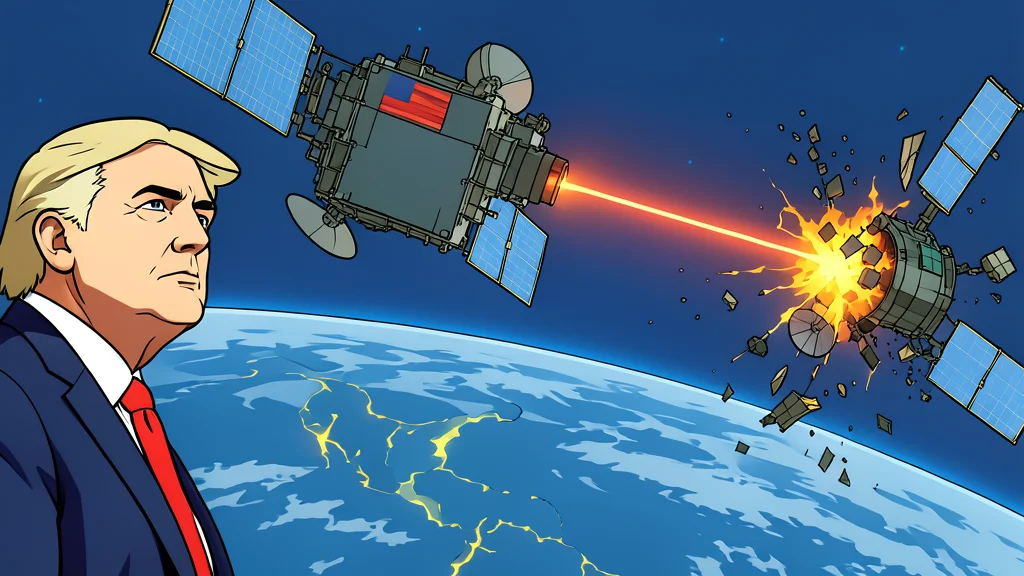
Washington’s public admission of on-orbit space control weapons marks a shift from preparation to active deployment, potentially triggering a new phase of global strategic competition.
The United States has officially confirmed for the first time that it maintains weapons systems in orbit, a disclosure that transforms long-standing warnings about space warfare into a verified strategic reality. According to recent statements by senior military leadership, these "on-orbit space control weapons" are already operational and designed to protect American assets against hostile actions. This admission signals a significant departure from previous policies where the existence of such capabilities was either denied or left deliberately ambiguous.
The announcement has immediately drawn scrutiny from geopolitical analysts who view this as a pivotal moment in the emerging space arms race. By explicitly stating that these systems are deployed, the US has moved beyond theoretical deterrence to tangible military posture. This development is likely to influence how other major powers, including China and Russia, interpret their own security needs in the orbital domain, potentially accelerating their own defensive and offensive programs.
Ambiguity as a Strategic Tool
A critical aspect of the disclosure is the lack of technical detail provided by Washington. US officials have refrained from specifying the nature of these weapons, whether they are kinetic, electronic, or directed-energy systems. According to Air Force Secretary Troy Meink, this vagueness is intentional. From a deterrence perspective, knowing that a capability exists without understanding its precise mechanics can be more destabilizing for potential adversaries than a full technical breakdown.
This opacity complicates international verification efforts and increases uncertainty. Military satellites are the backbone of modern warfare, supporting communications, navigation, and missile warning systems. By keeping the specifics of its orbital defenses under wraps, the US maintains a strategic advantage while forcing rivals to assume the worst-case scenario regarding the scope of American capabilities.
Escalating Global Security Dynamics
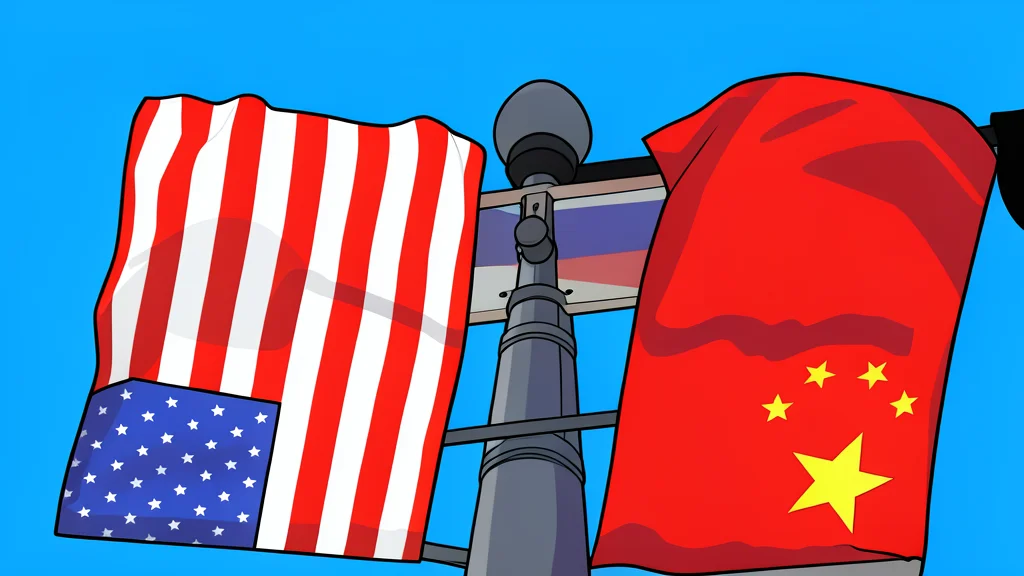
The confirmation of deployed US weapons has already prompted reactions from other major spacefaring nations. China has publicly criticized the move, urging that space should remain a peaceful domain rather than a battlefield. However, the underlying dynamics suggest a shift toward a security dilemma, where each nation’s defensive measures are perceived as offensive threats by others. This cycle of perception and reaction often drives rapid military buildup.
Experts warn that the risk lies not in an immediate conflict, but in a gradual escalation driven by uncertainty. As noted by retired military leaders, when one country reveals a new capability, others may interpret it as a direct threat and develop countermeasures in response. This spiraling logic could lead to an unending arms race in orbit, where the focus shifts from cooperation to competitive defense.
Implications for India's Strategic Posture
For India, the US announcement presents a complex strategic calculation. While New Delhi demonstrated its anti-satellite capabilities through Mission Shakti in 2019, it has not publicly declared a standing inventory of orbital weapons. The US move may pressure India to clarify its own posture and ensure its space-based assets are adequately protected against emerging threats.
According to the GN auto geopolitics/global: arms race analysis, the situation requires careful navigation. India must balance its relationship with the US while safeguarding its own strategic autonomy. The next steps will likely involve diplomatic consultations and technical assessments to determine how the new US capabilities affect the broader stability of the space domain. Observers will watch for any further disclosures from Washington and the subsequent diplomatic responses from Beijing and Moscow.