Nato Chief Highlights European Shift in UK Visit
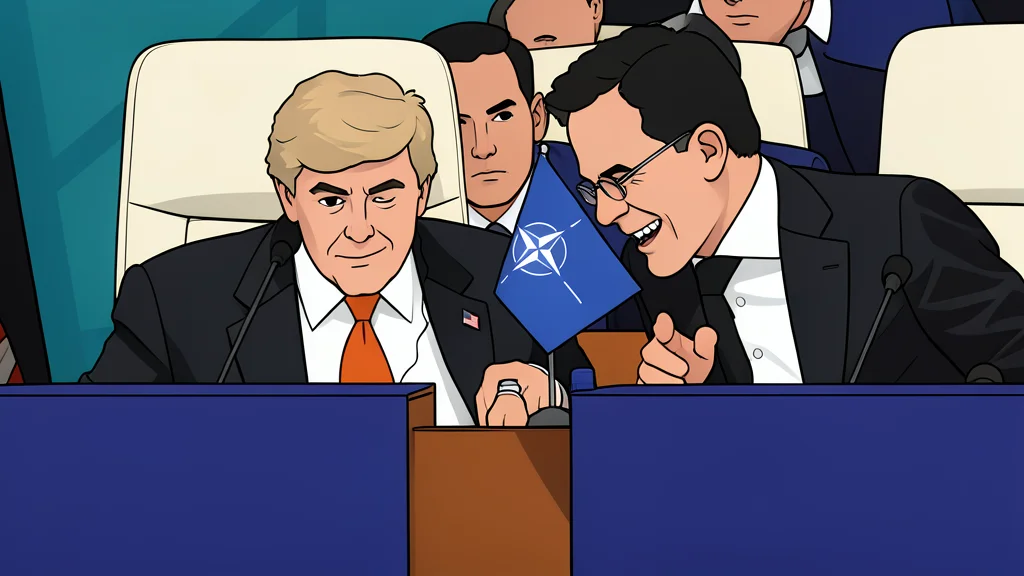
Mark Rutte is set to outline a new defense framework during his first meeting with the new British Prime Minister, emphasizing increased European autonomy within the alliance.
Nato Secretary-General Mark Rutte arrives in the United Kingdom for his first face-to-face meeting with Prime Minister Andy Burnham, a visit that signals a pivotal moment for the transatlantic alliance. According to reports from GN geopolitics/nato, the meeting will be followed by a major address in Oxfordshire where Rutte is expected to articulate a vision for the future of collective defense. The timing is significant, as the alliance navigates a period of shifting geopolitical priorities and rising fiscal pressures across its member states.
The core of the upcoming speech centers on the concept of a more Europe-centric defense structure. Rutte is expected to describe this evolution as a necessary step to maintain the transatlantic bond, arguing that a stronger European contribution reinforces the overall security architecture. This narrative aligns with recent agreements among allies to increase defense spending, a move driven by both external threats and internal demands for greater self-reliance.
Defining the New Alliance Framework
In his address at the Ditchley Foundation, Rutte will refer to this strategic shift as "Nato 3.0," a framework designed to build for the future by strengthening European capabilities. According to the Secretary-General, the alliance must become more European to stay transatlantic, with member states taking on greater responsibility for their own security. This approach is not intended to weaken ties with North America but rather to ensure that the alliance remains robust and adaptable to emerging challenges from Russia and China.
The speech will also address the specific dynamics of the relationship with the United States. Rutte is expected to highlight that increased European investment is a response to both the current security environment and the expectations set by Washington. By producing more and spending more, Europe aims to demonstrate that it is a reliable partner capable of sharing the burden of collective defense. This shift is presented as a long-term strategy to ensure the alliance's durability and effectiveness.
UK Commitment and Fiscal Challenges
The United Kingdom’s role in this new framework is highlighted as a key example of serious commitment to security. Rutte is expected to praise Britain’s ongoing efforts to increase its defense budget, noting that the UK is already investing more in its military capabilities. This recognition comes at a time when the British government faces significant fiscal constraints, including rising borrowing costs and domestic economic pressures that complicate long-term spending plans.
Despite these challenges, the Prime Minister’s assurance that the government will meet its NATO commitments is viewed positively by the alliance leadership. The UK’s projected increase in defense spending to around 2.7% of GDP by 2027 is seen as a tangible step toward the broader goal of 5% of economic output by 2035. This trajectory is intended to serve as a model for other member states, demonstrating that increased investment is both feasible and necessary in the current geopolitical climate.
Strategic Context and Future Outlook
The visit occurs against a backdrop of heightened tensions, with Rutte expected to emphasize the need for unity in the face of hostile actions by Russia. He will argue that such actions are a sign of weakness and will only lead to increased support for Ukraine. The Secretary-General’s remarks underscore the alliance’s determination to deter threats and defend its members, regardless of the challenges posed by the current security environment.
Looking ahead, the focus will be on how member states translate these commitments into concrete policy and budgetary decisions. The coming weeks will see further discussions among allies, including meetings with Canadian Prime Minister Mark Carney, as the alliance works to solidify its new strategic direction. The success of this approach will depend on the ability of governments to balance immediate defense needs with broader economic stability, a task that requires careful coordination and sustained political will.