Residents Fear Isolation as UN Peacekeepers Prepare to Leave Lebanon
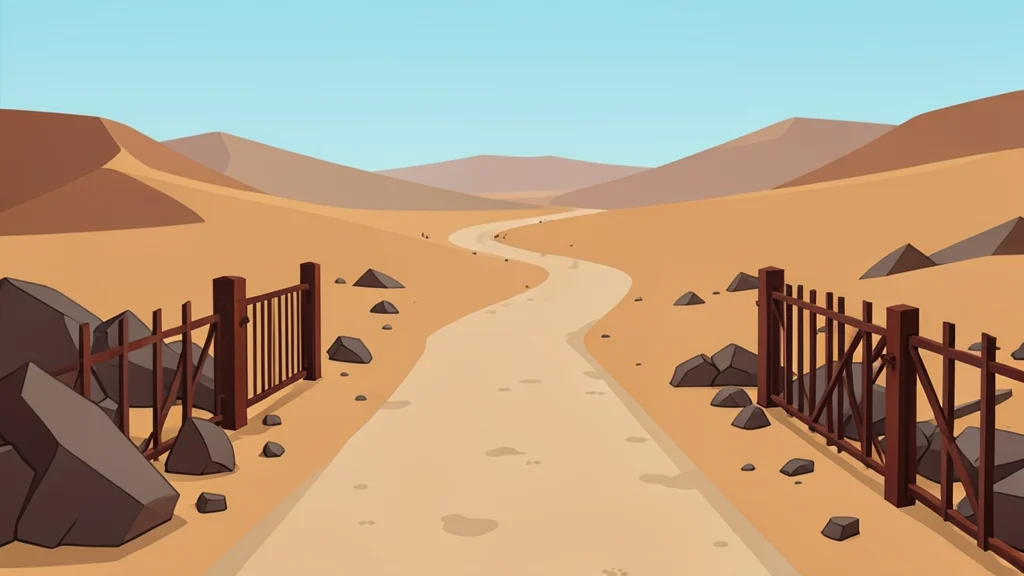
In the desolate southern zone, communities relying on UNIFIL convoys face an uncertain future as the mandate expires.
Dust rises from the unpaved road in Rmeich, a Christian town in southern Lebanon that remains one of the few populated areas within the Israeli-occupied security zone. For months, the rhythmic passage of United Nations peacekeeping vehicles has been the primary sign of life in a landscape marked by rubble and abandoned homes. As the mandate for the UN Interim Force in Lebanon (UNIFIL) approaches its expiration at the end of the year, residents express deep anxiety about what will happen to their daily logistics and safety once these escorts are withdrawn.
According to reporting by GN geopolitics/un, the situation in this isolated pocket is precarious. Since Israel established the self-declared security zone following recent hostilities, UNIFIL has been responsible for escorting food and essential goods through checkpoints controlled by the Israeli military. Local schoolteachers and merchants describe their reality as a form of open-air prison, noting that without the protection of international peacekeepers, the flow of supplies from Beirut to their shops may cease entirely, leaving them cut off from the rest of the country.
Historical Mandate Faces Termination
UNIFIL was established in 1978 to monitor the withdrawal of Israeli forces and has since evolved to include humanitarian access and ceasefire monitoring. For nearly five decades, the force has served as a critical buffer, managing tensions between Lebanese and Israeli armies and helping to map the de facto border. However, the conclusion of its mandate marks a significant shift in the geopolitical architecture of the region. More than 300 peacekeepers have lost their lives in Lebanon since the force’s inception, including seven during this year’s conflict, underscoring the persistent danger associated with the area.
Israeli military officials have stated that they do not view the UNIFIL role as vital to humanitarian efforts, claiming that their own measures are sufficient to facilitate life for the population. In contrast, French peacekeepers on the ground argue that civilians require direct support to navigate the complex network of checkpoints. Captain Julien of the French reconnaissance company noted that while they currently provide security escorts, the future remains unclear without an alternative mechanism to ensure safe passage for residents and traders.
Economic Life Amidst Ruin
The economic impact of the potential withdrawal is already visible in the shrinking supplies within Rmeich. Recent convoys of aid and goods carried by local traders were canceled at the last minute without clear explanation, highlighting the fragility of the current supply chain. With roughly 6,000 people still living in the town, the community relies heavily on these irregular shipments. The surrounding villages, which were predominantly Shi'ite Muslim, have been largely emptied due to bombardment and demolition, leaving Rmeich as the largest concentration of civilians in the occupied zone.
Despite the harsh conditions, daily life persists in pockets of normalcy. Near the local church, children play football and occasionally request to sit inside the armored vehicles of the peacekeepers. This interaction illustrates the deep integration of the UN force into the social fabric of the community. For many residents, the presence of these international troops is not just a security measure but a tangible link to the outside world and a symbol of international attention.
Uncertain Path Forward
As the year draws to a close, the diplomatic and humanitarian communities face the challenge of determining the next steps for southern Lebanon. The absence of a clear replacement for the UNIFIL escort mission leaves a significant gap in the protection of civilians and the movement of goods. Observers suggest that the international community must now engage in urgent discussions to address the humanitarian needs of the displaced and the isolated, ensuring that the end of the mandate does not result in a complete severance of the community from the rest of Lebanon.
The focus now turns to whether new frameworks can be established to guarantee safe passage and humanitarian access without the physical presence of the UN force. The residents of Rmeich, having endured months of conflict and isolation, are left with a profound sense of uncertainty. Their primary concern is no longer just the immediate threat of conflict, but the long-term viability of their existence in a zone that may soon lack any international oversight or support.