Trump Signs Graham Act to Expand Russia and Iran Sanctions
The new law authorizes tariffs of up to 500% on Russian goods and extends Iran sanctions to 2031.
Key points
- Trump signed the Graham Act on Sept. 18, expanding sanctions on Russia and extending Iran restrictions to 2031.
- The law allows tariffs of up to 500% on Russian goods and 100% on major buyers of Russian energy.
- Presidential discretion to waive sanctions was included in the final text following White House negotiations.
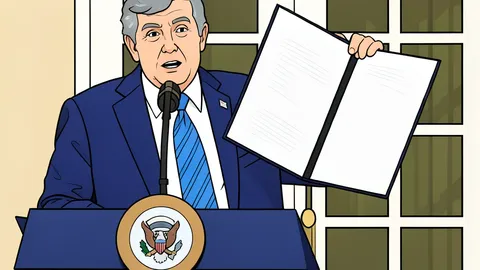
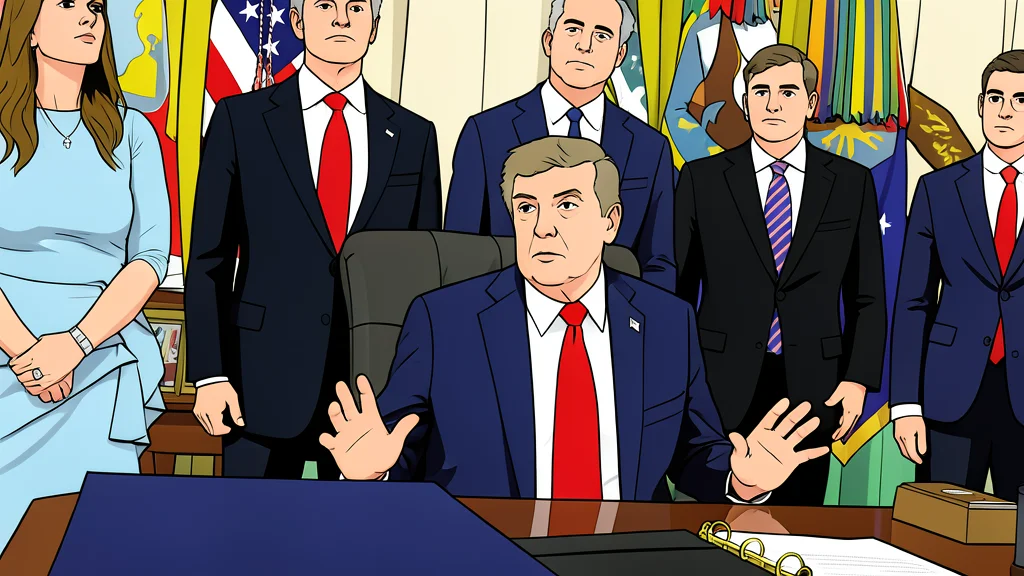
U.S. President Donald Trump signed the Lindsay O. Graham Sanctioning Russia and Iran Act into law on September 18, according to a White House announcement. The legislation represents a significant expansion of statutory restrictions on Moscow and Tehran, marking the final step in a complex legislative process that spanned over a year.
The House of Representatives approved the bill on September 16 by a vote of 262 to 159, following earlier Senate passage in August. Named in honor of the late Republican Senator Lindsey Graham, who died in July, the act consolidates multiple sanctions measures into a single statutory framework.
New tariff authorities on Russian energy
The law grants the president authority to impose tariffs of up to 100% on imports from countries identified as major purchasers of Russian crude oil or natural gas. Additionally, it authorizes tariffs of up to 500% on Russian-origin goods entering the United States, with specific exemptions for uranium used in nuclear reactors and certain medical isotopes.
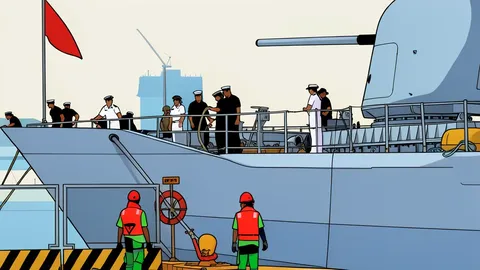
According to nv.ua, the final text also expands sanctions targeting Russian government officials, financial institutions, and the defense and energy sectors. The legislation specifically addresses the so-called shadow fleet, imposing restrictions on vessels used to circumvent existing energy export controls.
Legislative changes and presidential discretion
The bill underwent substantial modifications during negotiations between Congress and the White House. Reports from the Wall Street Journal and Politico indicated that the administration sought greater flexibility in applying the proposed restrictions. The final version includes provisions allowing the president to waive or terminate certain sanctions under specified circumstances, including following a peace agreement.
Extension of Iran sanctions regime
Beyond measures targeting Russia, the legislation extends the Iran Sanctions Act of 1996 for five additional years, keeping the current restrictions in effect through 2031. This extension ensures that existing penalties for transactions with Iranian entities remain in place without requiring immediate new congressional action.
Next steps for enforcement
With the law now in effect, attention turns to how the administration will implement the new tariff authorities. Analysts will likely watch for executive orders defining the criteria for identifying major purchasers of Russian energy and for any initial designations of entities within the shadow fleet.