Xi and Trump Meet at White House to Secure Trade Truce
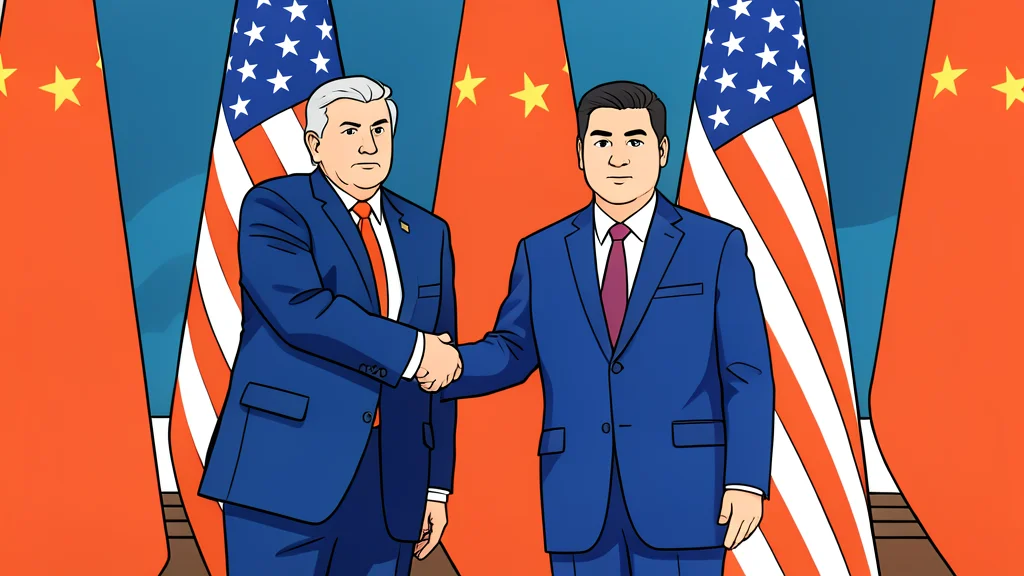
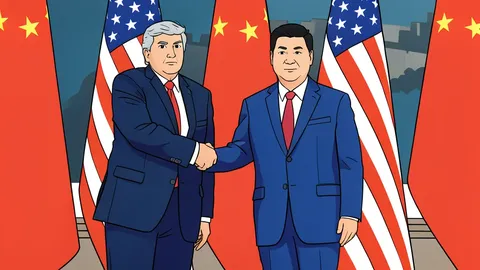
Chinese President Xi Jinping and US President Donald Trump convene in Washington to negotiate the extension of a fragile trade agreement expiring in November.
Key points
- Xi Jinping and Donald Trump meet at the White House to negotiate the extension of a trade truce expiring in November.
- Tariffs on Chinese goods were cut from 145% to 30% following Geneva talks in May 2025, a pause later extended in August.
- The US Supreme Court struck down emergency tariffs in February 2026, leading the administration to impose new duties under different statutes.
Chinese President Xi Jinping is scheduled to hold talks with US President Donald Trump at the White House on Thursday. The primary objective of this high-stakes meeting is to preserve the current trade truce, which faces expiration in November. According to BusinessLine, both nations are seeking to stabilize their economic relationship after a period of intense volatility and legal challenges to tariff regimes.
The diplomatic engagement comes against a backdrop of significant shifts in US-China economic policy. Since early 2025, the two largest economies have oscillated between escalating retaliatory measures and temporary pauses in hostilities. This latest summit represents an opportunity to formalize recent de-escalation efforts and determine the trajectory of bilateral trade relations for the remainder of the year.
Escalation and Retaliation in Early 2025
The trade conflict intensified rapidly following the return of Donald Trump to office. In February, the US administration imposed initial duties on Chinese goods, citing concerns over fentanyl and immigration. Beijing responded with targeted levies on American agricultural products and energy imports, while simultaneously restricting exports of critical metals used in defense and clean energy sectors. By April, tariffs had surged to punitive levels, with both sides raising rates to over 100 percent in a cycle of rapid escalation.
These measures triggered severe disruptions in global supply chains. The US doubled fentanyl-related tariffs in March, impacting billions of dollars in trade. In response, China imposed matching duties and further tightened export controls on rare earths. The situation reached a peak in late April when both nations threatened to curb travel and critical technology access, signaling a deepening of the geopolitical rift beyond mere economic competition.
Geneva Talks and Subsequent Truce
Diplomatic efforts began to yield results in May 2025, when negotiations in Geneva led to a 90-day pause in tariff increases. This agreement saw the US reduce its tariffs on Chinese goods from 145 percent to 30 percent, while China lowered its rates from 125 percent to 10 percent. The pause was subsequently extended in August, providing a window for stability. However, tensions resurfaced in October when China widened export controls on rare earths, prompting the US to impose additional tariffs and software export restrictions.
A renewed truce was established later in October following discussions in South Korea. Under this arrangement, the US agreed to trim tariffs in exchange for Beijing’s commitment to crack down on fentanyl precursors. China also agreed to resume purchases of US soybeans and pause certain export controls. This framework has served as the basis for current economic interactions, though its durability remains a subject of intense scrutiny among policymakers and market observers.
Legal Challenges and Future Outlook
The legal landscape surrounding these tariffs has shifted significantly. In February 2026, the US Supreme Court ruled against the administration’s use of emergency powers for China-related tariffs, striking down the fentanyl and reciprocal tariff regimes. The administration responded by implementing a temporary global duty under a different statutory authority. These legal maneuvers have complicated the trade landscape, adding a layer of judicial uncertainty to an already complex diplomatic process.
Despite these challenges, recent summits have produced tangible cooperation. In May 2026, a visit by Trump to Beijing resulted in plans for new Boards of Trade and Investment. China also committed to purchasing US agricultural products and aircraft. As the November deadline approaches, analysts are watching for signs that the current truce will be extended. The outcome of the White House meeting will likely determine whether the fragile stability achieved in recent months can be sustained or if the cycle of retaliation is poised to resume.