Xi and Trump Meet to Extend Fragile US-China Trade Truce
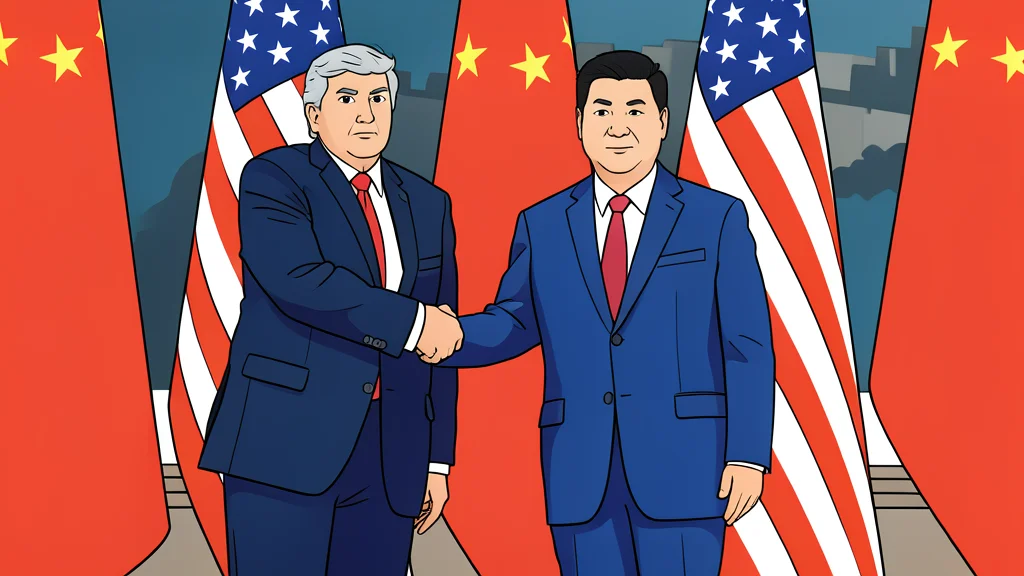
Leaders converge in Washington to negotiate the extension of a trade pause expiring in November, following a year of escalating duties.
Key points
- Xi and Trump meet on September 24 to negotiate extending a trade truce that expires in November.
- US tariffs on China peaked at 145% in April 2025 before being reduced to 30% via a Geneva agreement.
- A May 2026 summit resulted in agreements for Boeing purchases and new trade boards, despite recent legal rulings.
Chinese President Xi Jinping and US President Donald Trump are scheduled to meet at the White House on September 24 for a critical session aimed at preserving a temporary trade truce. According to Rappler, the current agreement is set to expire in November, making this summit a pivotal moment for stabilizing bilateral economic relations after a period of intense volatility.
The upcoming talks come against a backdrop of significant diplomatic maneuvering. Since early 2025, both nations have engaged in a cycle of imposing and retaliating with high tariffs, which recently led to a negotiated pause. While the atmosphere remains tense, both sides have indicated a desire to avoid a full-scale collapse of trade flows, though expectations for a comprehensive breakthrough remain cautious.
Escalation from early 2025 duties
The trade tensions began in February 2025 when the US imposed an initial 10% duty on Chinese goods, citing fentanyl and immigration concerns. Beijing responded with levies on American coal, crude oil, and automobiles, while also restricting exports of metals essential for defense and clean energy sectors. By March, the US had doubled fentanyl-related tariffs to 20%, prompting China to target $21 billion worth of US agricultural exports with 10% to 15% levies.
Geneva talks and temporary pauses
The situation reached a peak in April 2025, often referred to as 'Liberation Day,' when US tariffs on China surged to 145% and Chinese tariffs rose to 125%. This rapid escalation led to the closure of the Geneva talks in May, where both sides agreed to a 90-day pause. Under this arrangement, US duties were reduced to 30% and Chinese duties to 10%, a pause that was subsequently extended in August to allow for further negotiations.
Legal challenges and recent agreements
In February 2026, the US Supreme Court ruled against the emergency tariffs, striking down the fentanyl-related duties. In response, the US imposed a temporary 10% global duty under different legal statutes. Following a summit in Beijing in May 2026, both nations agreed to create new Boards of Trade and Investment, with China committing to purchasing Boeing jets and US farm products. However, new 12.5% tariffs were imposed in July 2026 over labor practices, complicating the path forward.