US Passes Russia Sanctions Bill as India Faces Domestic Political Pressure
The US House approved a comprehensive Russia sanctions package, triggering a sharp domestic political response in India and highlighting the growing tension between New Delhi's strategic autonomy and Washington's legislative agenda.
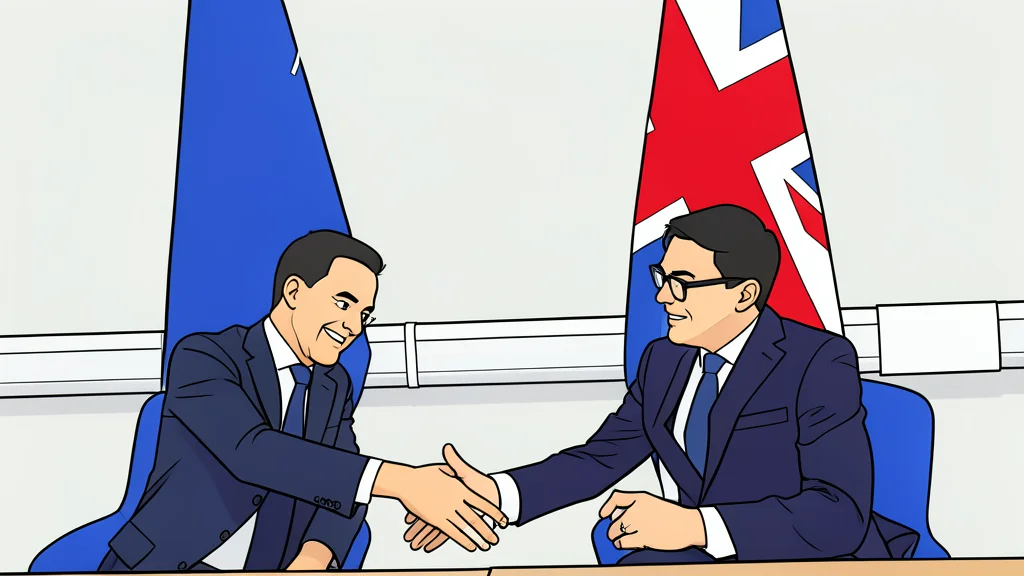
The United States Congress has completed the legislative process for a significant new sanctions regime targeting Russia and Iran. The bill, which received final approval in the House of Representatives on Wednesday with a vote of 262 to 159, will now proceed to President Donald Trump for signature. This legislative move marks a substantial escalation in the economic pressure campaign against Moscow, reflecting a bipartisan effort to tighten the noose on Russian financial and energy sectors.
In India, the passage of the bill has ignited a contentious political debate that extends beyond foreign policy into the realm of domestic economic governance. Opposition leaders have linked the US legislative action to recent internal policy shifts, specifically the introduction of merchant discount rates on digital payment transactions. This has prompted accusations from the Congress party that the central government is yielding to external pressure, creating a complex diplomatic and political landscape for New Delhi.
US House approves Graham sanctions bill
According to reporting by GN auto geopolitics/global: sanctions policy, the legislation, known as the Lindsey O. Graham Sanctioning Russia and Iran Act of 2026, passed the lower chamber after earlier approval in the Senate. The vote saw support from 203 Republicans and 58 Democrats, alongside one independent member. Opposition was primarily driven by 152 Democrats and seven Republicans who objected to the expanded tariff authorities granted to the executive branch within the bill's framework.
The bill is named in honor of Senator Lindsey Graham, a Republican from South Carolina who championed the measure for over a year before his death in July. His sustained efforts to build a coalition for the legislation ensured its survival through the legislative process, despite partisan disagreements over the scope of executive powers regarding trade restrictions. The final passage underscores a continued congressional commitment to multilateral and unilateral economic tools against Russia.
India opposition links payments to pressure
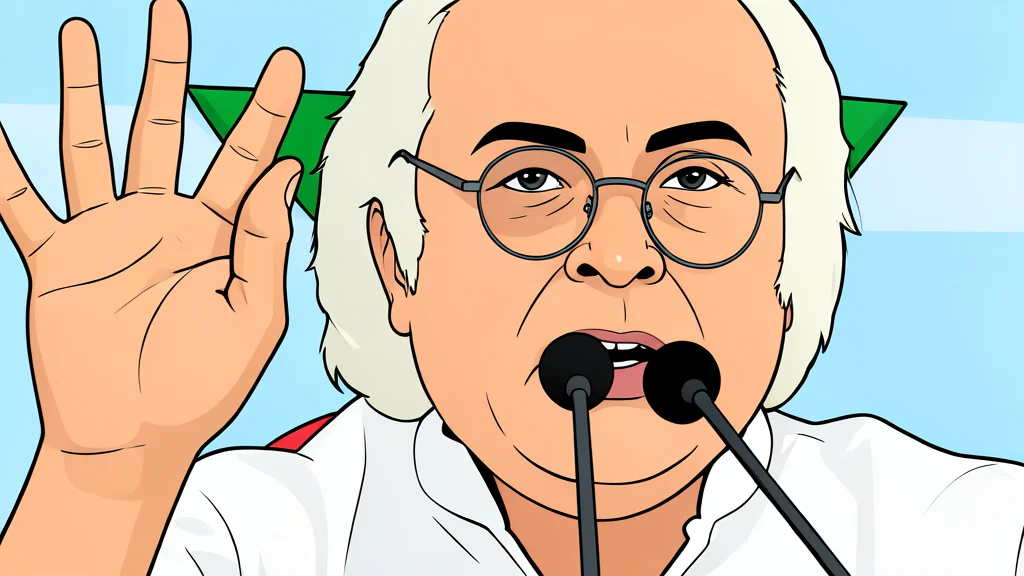
In New Delhi, the political reaction has been swift and pointed. Jairam Ramesh, the general secretary for communications at the Congress party, used social media to criticize the central government's recent economic decisions. He argued that