US Admits to Deploying On-Orbit Space Control Weapons
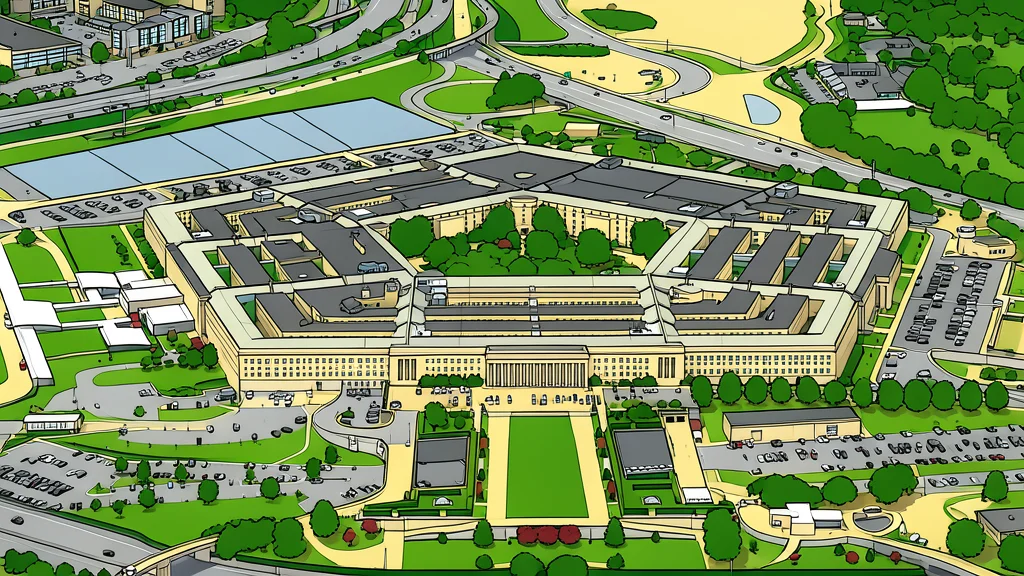
Air Force Secretary Troy Meink confirmed the presence of defensive systems in orbit, framing the move as a necessary counter to emerging capabilities in Beijing and Moscow.
The United States has officially acknowledged the deployment of weapons in space, marking a significant shift in the strategic posture of the nation’s military. Air Force Secretary Troy Meink stated on Monday that the country now possesses on-orbit space control weapons designed to defend joint forces against hostile actions. This admission follows a period of heightened geopolitical tension regarding the militarization of the orbital domain.
While specific details regarding the type of weapon or the timeline of its launch remain classified, officials emphasized that these systems are intended for defensive purposes. According to the Air Force, the objective is to ensure readiness against evolving threats that target critical space infrastructure, which underpins modern military operations and global communications.
Strategic Context of Orbital Defense
Retired Lieutenant General David Deptula argued that the U.S. is not initiating a new arms race but rather responding to one that is already underway. According to Deptula, Russia and China have prioritized the development of capabilities to disrupt, disable, and destroy American space assets. He cited specific technologies including jammers, directed-energy weapons, and ground-based anti-satellite missiles as evidence of this growing threat landscape.
This perspective aligns with the broader argument that the U.S. had previously focused on civilian applications for space technology, while its competitors viewed orbit as a warfighting domain. The deployment of defensive measures is therefore framed as a reactive necessity to protect the infrastructure upon which national security depends.
International Reactions and Diplomatic Tensions
The revelation has drawn sharp criticism from both Beijing and Moscow. The Chinese Foreign Ministry urged the United States to stop preparing for war in space, reflecting a stance that views such deployments as provocative. Similarly, Kremlin spokesperson Dmitry Peskov asserted that space should remain free of any weapons, reinforcing the narrative that the U.S. is destabilizing the status quo.
These diplomatic responses highlight the diverging views on the norms governing space exploration and utilization. While Western officials emphasize the defensive nature of their systems, their counterparts in the East characterize them as offensive moves that risk triggering a broader conflict in the orbital domain.
Economic Implications of Golden Dome
The broader context for these developments includes the ongoing development of the Golden Dome missile defense system. According to the Congressional Budget Office, this project is projected to cost $1.2 trillion over the next two decades. The system will feature interceptor layers and a space-based missile warning and tracking system, representing one of the most expensive defense initiatives in recent history.
As noted in the GN auto geopolitics/global: arms race analysis, the financial commitment underscores the long-term strategic importance the U.S. places on securing its space capabilities. The integration of these systems into the national defense architecture signals a sustained effort to maintain technological superiority in a contested environment.