Media Pressure Mounts for US Military Action Against Yemeni Houthis

Prominent US media figures are urging the administration to expand military operations against the Houthis, citing threats to global shipping and Saudi interests, despite ongoing diplomatic efforts.
A distinct shift in American media rhetoric has emerged, with prominent conservative commentators increasingly calling for a direct expansion of US military involvement in Yemen. This advocacy comes against a backdrop of escalating tensions involving the Ansar Allah movement, also known as the Houthis, and their strategic actions in the Red Sea region. Rather than framing the situation as a regional dispute, these voices are positioning it as a direct threat to US economic interests and allied security, thereby justifying a broader conflict.
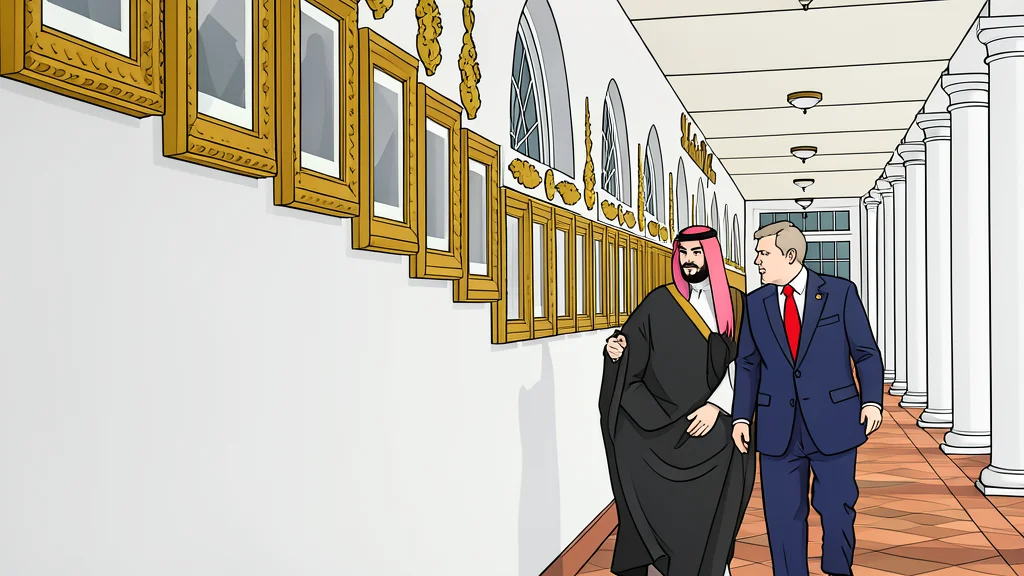
According to a report from GN auto geopolitics/middle-east: Yemen conflict, host Brian Kilmeade of Fox & Friends has repeatedly urged the Trump administration to take military action on behalf of Saudi Arabia. This push for escalation coincides with recent Houthi military gains, including the capture of key port cities and islands that control access to the Bab al-Mandab Strait. The strategic importance of this waterway, through which a significant portion of global shipping passes, has intensified calls for a robust US response to what commentators describe as a disruption to global energy markets.
Strategic Control Over Critical Shipping Lanes
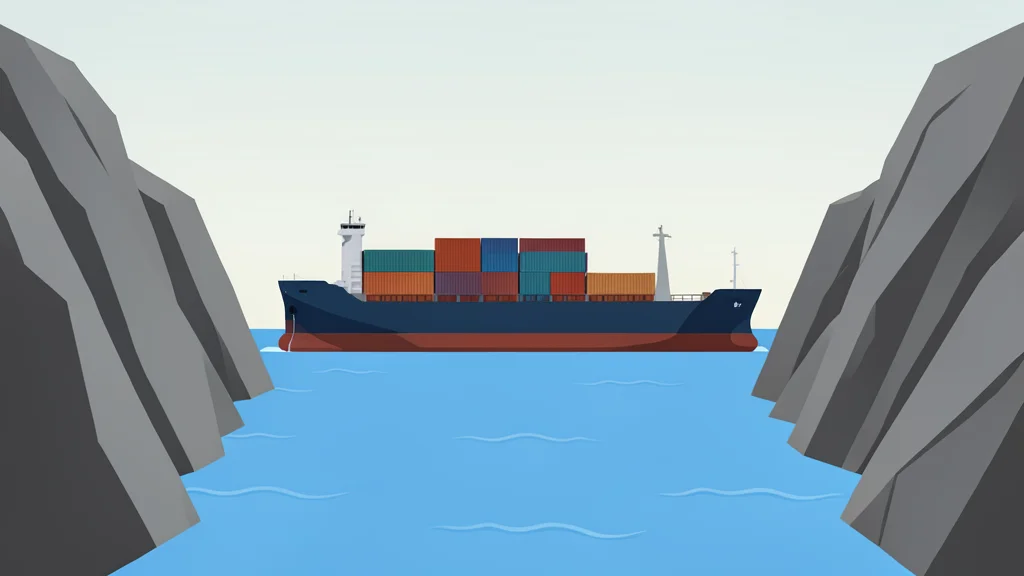
The Houthi movement has secured near-total control over the Bab al-Mandab Strait following recent operations in western Yemen. By capturing the port city of Mokha and Perim Island, they have established a staging ground that allows them to monitor and restrict traffic in this vital maritime corridor. While the group has stated that their blockades target Saudi vessels specifically, the broader impact on international commerce is undeniable. Approximately twelve percent of global shipping transits this strait, making any disruption a significant factor in worldwide energy prices and supply chain stability.
US officials have engaged in diplomatic talks with Houthi representatives in Oman, an effort aimed at de-escalating the crisis. However, critics argue that these negotiations are ineffective given the group's continued military posture. The administration has faced internal debate over whether to support Saudi Arabia’s desire for retaliatory strikes, with some advisors warning that a direct US war could destabilize the broader Middle East. The tension lies between protecting allied infrastructure and avoiding a wider regional conflict that could draw the United States into a protracted engagement.
Discrepancy Between Rhetoric and Military Reality
Previous US bombing campaigns against the Houthis, including those conducted during the Biden and early Trump administrations, have not resulted in a decisive reduction of their military capacity. Despite intense air strikes, the group has maintained its ability to conduct attacks and hold territory. Some media personalities have claimed that the Houthis have been defeated or are on the verge of collapse, a narrative that contrasts with reports of their recent territorial gains. This disconnect between public perception and on-the-ground reality complicates the administration's decision-making process.
The debate over US involvement is further complicated by the broader context of the Iran conflict. With Iran backing Houthi capabilities, any strike on Yemeni targets carries the risk of escalating into a wider confrontation with Tehran. The Trump administration has so far resisted direct calls for a full-scale war, prioritizing a measured response. However, the persistent pressure from influential media voices suggests that the political calculus may be shifting, with the administration increasingly viewed as needing to demonstrate resolve to its allies and domestic base.
Diplomatic Channels and Future Escalation
As the situation evolves, the focus will likely remain on the effectiveness of diplomatic efforts versus the pressure for military action. The capture of key strategic points by the Houthis provides them with leverage in any ongoing negotiations. For the United States, the challenge is to balance the protection of global shipping lanes and ally security with the risks of further escalation. The coming weeks will be critical in determining whether the administration moves toward a more aggressive stance or continues to pursue a path of containment and dialogue.
Observers should watch for any changes in US naval deployments in the Red Sea and the outcome of further diplomatic talks in Oman. Additionally, the reaction of Saudi Arabia to the current stalemate will be a key indicator of regional stability. The interplay between media narratives and policy decisions will continue to shape the trajectory of the conflict, with the potential for rapid escalation if diplomatic efforts fail to address the underlying security concerns of all parties involved.