Xi and Trump Set to Meet to Extend Fragile Trade Truce
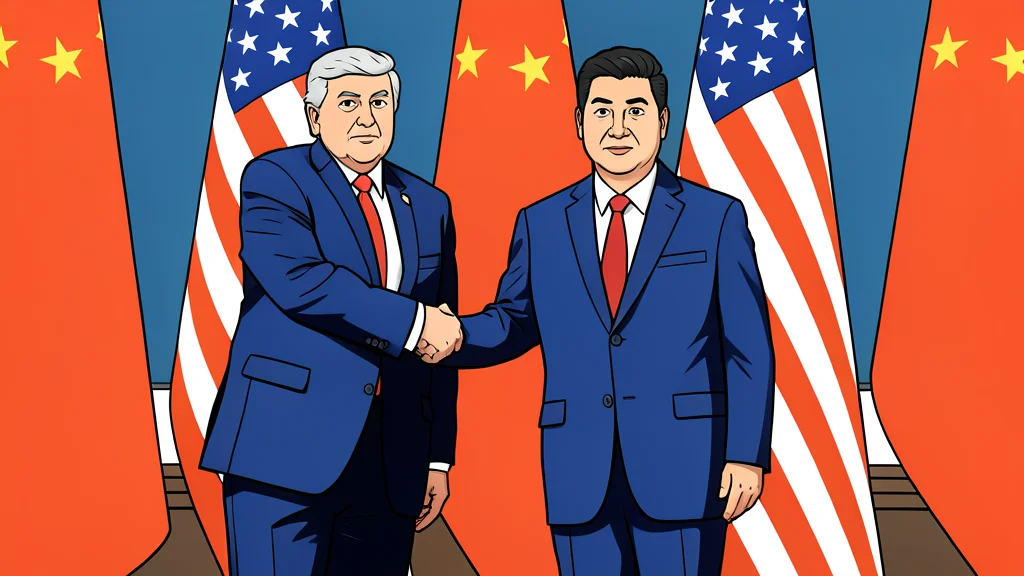
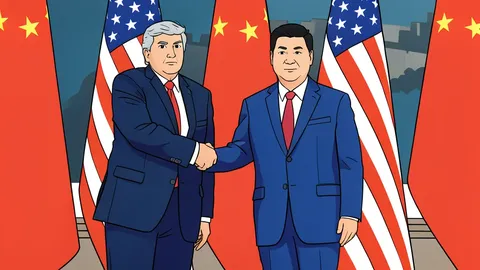
Leaders of the US and China are scheduled to meet at the White House to discuss extending a temporary trade agreement that expires in November.
Key points
- US and Chinese leaders are meeting to extend a trade truce that expires in November.
- Tariffs on Chinese goods previously reached 125 percent before being reduced to 30 percent.
- The US Supreme Court ruled against the administration's emergency tariff powers in 2026.
Beijing and Washington are preparing for a critical diplomatic engagement as Chinese President Xi Jinping is set to meet US President Donald Trump at the White House on Thursday. According to reports from Internazionale, the primary objective of these talks is to preserve a fragile trade truce that is currently set to expire in November. The meeting comes after a period of intense economic friction that saw tariffs on both sides escalate to record highs before being scaled back through a series of negotiated pauses.
The path to this temporary stability has been marked by rapid escalation and subsequent de-escalation. What began in early 2025 with modest duties over fentanyl and immigration concerns quickly spiraled into a comprehensive trade war. By April, tariffs on Chinese goods had surged to 125 percent, prompting matching retaliatory measures from Beijing. It was not until the Geneva talks in May that both sides agreed to a significant reduction, cutting US duties to 30 percent and Chinese tariffs to 10 percent, establishing a 90-day pause that has since been extended.
Escalation and the Road to Truce
The intensity of the recent trade conflict was characterized by sweeping tariffs and strategic export controls. In April 2025, the US introduced what was termed 'Liberation Day' tariffs, which included a 34 percent duty on Chinese imports. This move triggered a rapid tit-for-tat response, with both nations raising rates to 84 percent and subsequently 125 percent. Beijing also imposed curbs on rare-earth exports, a move that significantly impacted global supply chains for defense and clean energy technologies.
The situation remained volatile throughout the latter half of 2025, with China widening its export controls on critical minerals in October. In response, the US imposed additional tariffs and export restrictions on software and aircraft parts. The impasse was eventually broken in October 2025 following talks in South Korea, where the two leaders agreed to a truce. Under this arrangement, the US trimmed tariffs in exchange for Beijing’s commitment to crack down on fentanyl precursors, resume soybean purchases, and pause rare-earth export controls.
Legal Challenges and New Agreements
The legal landscape of the trade dispute has also shifted. In February 2026, the US Supreme Court ruled against the administration’s emergency tariff powers, striking down the specific duties related to fentanyl and the reciprocal tariff regime. Following this decision, the US implemented a temporary 10 percent global duty under a different statutory authority. This legal maneuvering has added a layer of complexity to the economic relationship, requiring both sides to navigate shifting regulatory frameworks.
Despite these legal hurdles, diplomatic efforts have continued to yield tangible results. In May 2026, President Trump visited Beijing for a summit where both sides announced plans to establish new Boards of Trade and Investment. China also agreed to purchase Boeing jets and US agricultural products, signaling a desire for normalized commercial relations. However, the US imposed new 12.5 percent tariffs in July 2026 on goods from 60 trading partners, including China, citing concerns over forced labor in supply chains.
Uncertainty Surrounding the November Deadline
As the current truce nears its expiration date, market participants and analysts are closely monitoring the upcoming White House meeting. While both governments have tempered expectations for major breakthroughs, the primary focus remains on securing an extension of the existing agreement. The stability of global trade relies heavily on the outcome of these negotiations, as a lapse in the truce could lead to a resumption of high tariffs and further disruption to international supply chains.