Trump to Host Xi as US-China Trade Truce Nears Expiration
US and Chinese leaders meet in September to negotiate the extension of a fragile trade pause that expires in November.
Key points
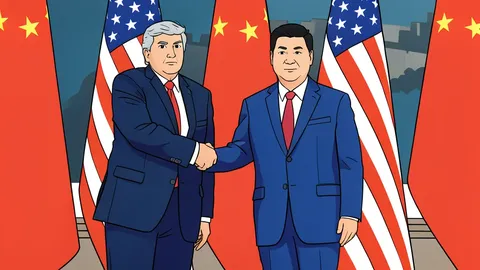
- US President Trump is set to host Chinese President Xi Jinping at the White House on September 24.
- The current trade truce, which reduced tariffs from triple-digit levels, is due to expire in November.
- Recent Supreme Court rulings have altered the legal basis for US tariffs, prompting new global duties.
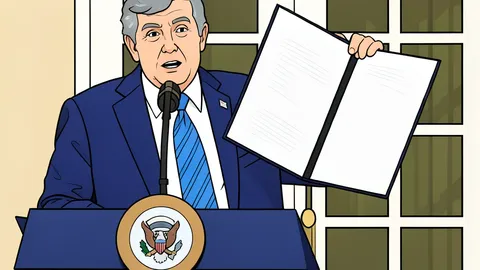
The United States and China are preparing for a high-level diplomatic engagement after months of intense economic friction. President Donald Trump is scheduled to host Chinese President Xi Jinping at the White House on September 24, according to reports from Modern Diplomacy. The primary objective of these talks is to preserve a temporary trade truce that faces expiration in November, although neither government has indicated that a comprehensive breakthrough is imminent.
Escalation of tariff measures
The trade confrontation intensified significantly following the return of the current administration to office. In early 2025, Washington imposed initial tariffs on Chinese goods, citing national security and public health concerns. Beijing responded with reciprocal duties on American energy and agricultural exports, while simultaneously restricting the export of critical metals essential for defense and clean energy sectors. The situation deteriorated rapidly in April, with tariffs on both sides reaching triple-digit levels before negotiators intervened.
A temporary pause was established in May 2025 during negotiations in Geneva, where both sides agreed to reduce tariff rates substantially. Washington lowered its duties on Chinese imports from 145 percent to 30 percent, while Beijing reduced its tariffs on US products from 125 percent to 10 percent. This agreement was later extended for an additional 90 days in August, providing a window for further diplomatic engagement despite underlying tensions.
Legal shifts and new agreements
The legal landscape of the dispute changed in February 2026 when the US Supreme Court ruled against the emergency tariffs imposed on China. Following this decision, the administration introduced a temporary global duty under different legal authority. Subsequently, the two leaders met in Beijing to announce plans for new trade and investment boards, alongside commitments by China to purchase Boeing aircraft and US agricultural products.
Future challenges in supply chains
Despite these developments, tensions over strategic supply chains remain unresolved. In July, Washington imposed new tariffs on goods from multiple trading partners, including China, alleging failures to curb imports produced through forced labor. The upcoming White House meeting will test whether the two governments can extend the current truce beyond its November deadline.
The focus of future negotiations is likely to shift from simple tariff levels to broader issues involving rare earths and critical technology. Observers will watch for signals regarding the durability of the current pause and any new commitments on export controls and supply chain resilience.