Russian Document Outlines Broad Iran Cooperation Strategy
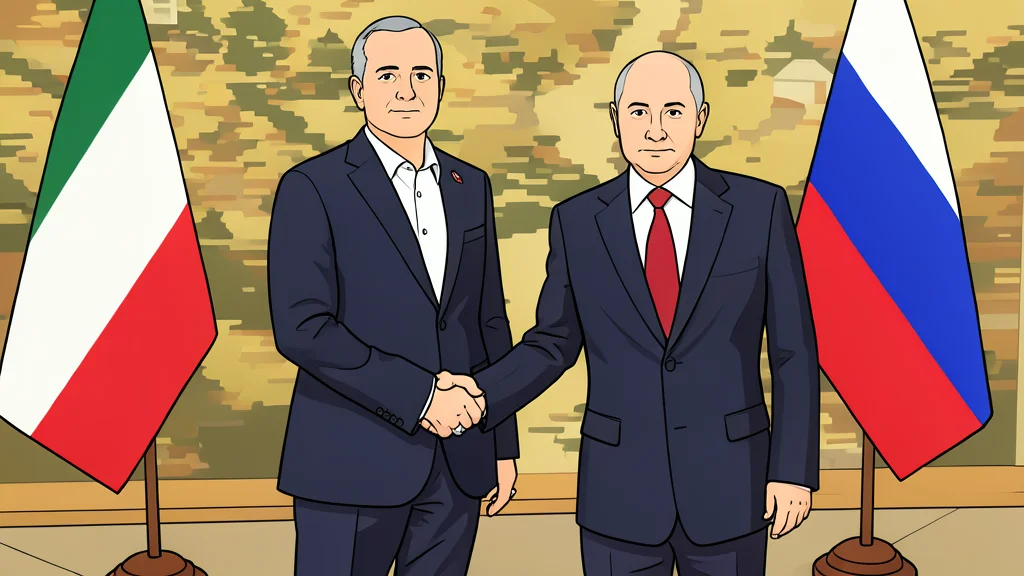
A nonpublic roadmap reveals Moscow's intent to deepen ties with Tehran across finance, energy, and aviation, creating parallel systems to withstand external pressure.
A nonpublic Russian government document outlines a comprehensive strategy to deepen economic and technical ties with Iran between 2024 and 2026. The 44-page roadmap, which was approved by Moscow in September 2024, details plans for alternative financial channels, nuclear cooperation, and the production of aircraft components. According to the material reviewed by GN auto geopolitics/middle-east: Iran nuclear, the plan aims to strengthen bilateral resilience against Western sanctions by diversifying trade routes and payment mechanisms.
The document predates the recent escalation in hostilities involving the United States and Iran, meaning it does not reflect how the current conflict may have altered these specific initiatives. However, analysts note that many of the described collaborations were already underway before the roadmap was finalized. The plan assigns specific responsibilities to Russian ministries and state companies, setting deadlines that extend through the end of 2026 to ensure the structural integration of the two economies.
Architecting Resilience Against Sanctions
Keti Korkiya, a research analyst with the Foundation for Defense of Democracies, suggests that the significance of the roadmap lies less in individual projects and more in the overarching architecture it proposes. According to her analysis, the document illustrates a systematic effort to reduce vulnerabilities created by international economic pressure. She noted that while many collaborations between Moscow and Tehran have been public for years, this document provides a clearer view of the coordinated, high-level strategy behind them.
A European intelligence source who reviewed the material described the document as strategic and highly politicized. The source indicated that the plan focuses on sensitive areas such as nuclear programs and energy trade, with mechanisms designed to operate outside standard international oversight. The document explicitly calls for measures to counter what Moscow describes as unilateral restrictive measures, framing its actions as a defensive response to external isolation.
Financial Channels and Currency Shifts
A central provision of the plan involves shifting bilateral trade away from the U.S. dollar and Euro. The roadmap sets a target to increase the share of trade conducted in national currencies from 68 percent in 2024 to 71 percent by 2026. This move is part of a broader effort to establish independent financial channels that can function despite restrictions on access to global banking systems.
A U.S. official stated that Washington has closely tracked attempts by sanctioned jurisdictions to develop alternative cross-border payment mechanisms. According to the official, these efforts are not surprising given the severe isolation imposed on both Russia and Iran by international sanctions. The United States has indicated it will seek to disrupt any financial arrangements that facilitate sanctions evasion or illicit finance, maintaining a posture of active monitoring and intervention.
Forward Looking Industrial Integration
Beyond finance, the document outlines specific industrial collaborations, including the Iranian production of Russian aircraft components and major energy projects. These initiatives are designed to create new transportation routes stretching toward the Persian Gulf, enhancing logistical connectivity. The integration of these sectors suggests a long-term commitment to building a self-contained economic sphere that can sustain both nations' strategic interests independent of Western markets.
Observers will now watch for the implementation of these specific targets, particularly in the aviation and energy sectors. The extent to which these projects survive the current geopolitical tensions will be a key indicator of the durability of the Russia-Iran partnership. As both nations face mounting external pressure, the success of these integrated systems will determine their future strategic leverage.