Digital Visibility and the Persistence of War Evidence in Gaza
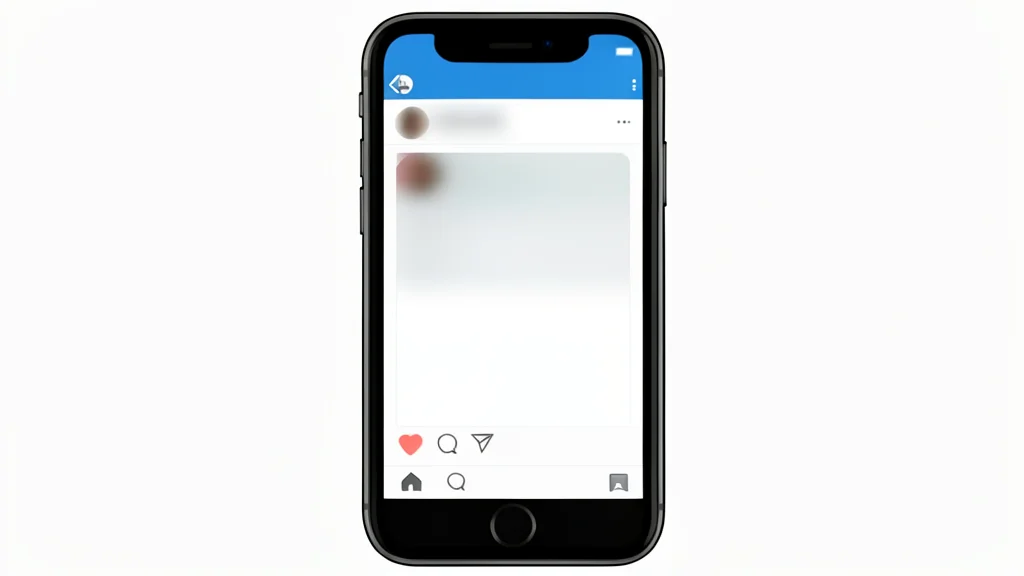
Journalists in Gaza face a new challenge where social media algorithms limit the reach of war documentation, complicating the global record of events.
As conflict intensifies in Gaza, the struggle for visibility has shifted from physical access to digital reach. Palestinian journalists have relied on social media to document conditions under siege, including restrictions on food and water and the exclusion of foreign press. However, according to reports by Al Jazeera English, these efforts face an emerging form of digital suppression that does not always involve the outright removal of content.
The phenomenon, described by some observers as a weakening of the medium through which messages travel, suggests that even when posts remain online, their audience may shrink dramatically. This subtle reduction in reach challenges the assumption that digital platforms serve as neutral archives for historical events, raising questions about which narratives survive in the collective memory of the public.
Algorithms Shape Public Awareness
Human Rights Watch has documented instances where images and videos of casualties were removed under rules concerning violence and incitement. Beyond removal, platform mechanisms such as reduced recommendations make it harder for users to find specific content. This algorithmic filtering creates a barrier to information that is less visible than censorship but equally effective in limiting the spread of certain perspectives.
Journalists like Ahmed Shihab-Eldin have reported that their accounts experienced sudden drops in visibility after sharing footage used in legal proceedings at the International Court of Justice. These accounts, which had large followings, reportedly faced restrictions that limited their ability to share firsthand accounts of the conflict, illustrating how platform policies can impact the dissemination of war evidence.
Self-Censorship and Viewer Fatigue
Leila Warah, a journalist based in the West Bank, notes that the issue extends beyond technical barriers to human behavior. She argues that viewers often engage with distressing content temporarily before returning to their daily routines, creating a disconnect between awareness and action. This dynamic suggests that even when information is accessible, the emotional impact may not translate into sustained attention or support.
The ease with which audiences can disengage from digital feeds poses a challenge for those documenting conflict. The difference between witnessing and remembering is becoming a critical factor in how wars are perceived globally. As digital tools become more sophisticated, the line between accessibility and obscurity grows increasingly blurred for those on the ground.
Future of Digital Witnessing
The current situation highlights a broader question about the role of technology in modern conflicts. As platforms refine their algorithms and content moderation policies, the ability of individuals to share their experiences may become subject to invisible constraints. Observers will need to watch how these digital boundaries evolve and whether they will further fragment the global understanding of ongoing humanitarian crises.
The persistence of truth in the digital age now depends not only on what is recorded but on how it is amplified. The coming months may reveal whether platforms will adjust their approaches to ensure a more balanced representation of conflict, or if the gap between visibility and invisibility will continue to widen.