Kenya Sets Dates for Youth Elections After Decade-Long Gap
The National Youth Council has finalized a three-stage electoral calendar for 2026, marking the first direct selection of national youth representatives since 2012 and signaling a renewed push for structured civic participation.
The National Youth Council (NYC) has officially announced the dates for its national elections, ending a fourteen-year period without direct youth representation. The body has scheduled ward-level voting for October 9, 2026, followed by constituency-level polls on October 16. The process will conclude with a national congress on October 30, where delegates will select sixteen new national representatives. This timeline marks a significant shift in how youth governance is structured in Kenya.
According to the council, the primary objective is to ensure that leadership reflects the diverse demographic makeup of the country’s young population. Council officials stated that the previous appointment-based system failed to adequately capture the voices of various regions and social groups. By moving to an elected model, the NYC aims to create a more responsive and accountable leadership structure that aligns with constitutional requirements for integrity and representation.
Civic Education Drives Voter Turnout
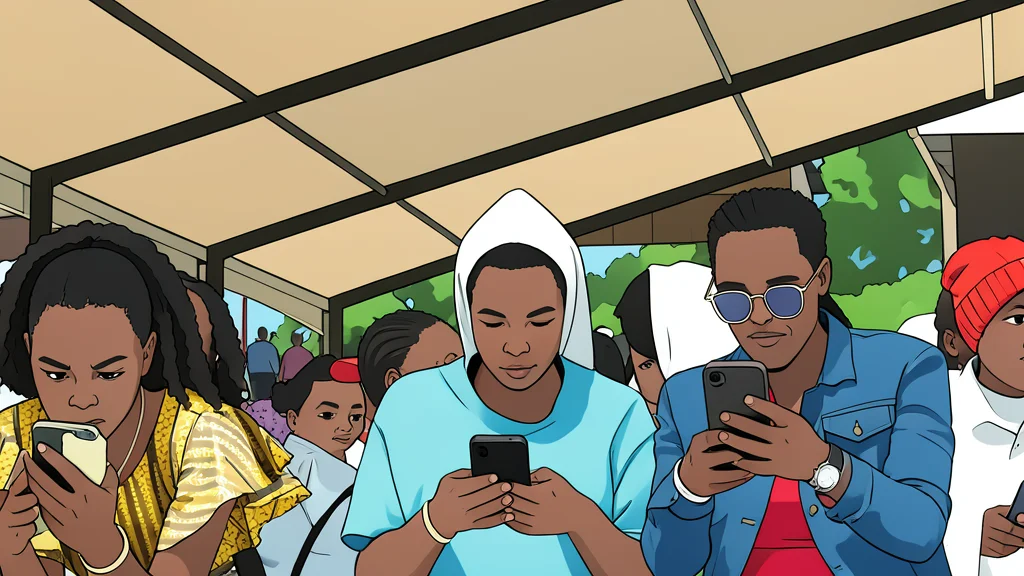
In preparation for the polls, the council has intensified its civic education campaigns across the country. On September 16, hundreds of young people gathered at Thika Technical Institute in Kiambu County to learn about the electoral process. Acting Chief Executive Officer Gloria Wawira led the session, explaining the specific requirements for candidates and the mechanics of voting. The initiative is part of a broader effort to ensure that eligible citizens, aged between 18 and 35, understand their rights and responsibilities in the upcoming elections.
Registration is currently open through the official digital platform, which serves as the primary channel for voter verification. The council has emphasized that participation is not just a right but a civic duty for those who wish to influence national planning. By engaging with the community directly, the NYC hopes to overcome past apathy and foster a culture of active political engagement among the youth demographic.
Structural Representation and Inclusion
George Osaso, Chairperson of the National Elections Committee, highlighted the importance of structural diversity in the new leadership. He noted that the council must mirror the face of Kenya, including persons with disabilities and underrepresented groups. The election structure mandates that each ward selects six representatives, with an equal split of three men and three women. This gender-balanced requirement is designed to ensure that diverse perspectives are integrated into the decision-making process at every level of the council.
The final stage of the election involves 580 delegates from various constituencies converging to elect the sixteen national representatives. Osaso argued that this structured mechanism is the only viable way to harness the collective voice of the youth in national policy discussions. He stressed that without a formal electoral process, the youth sector risks remaining marginalized in high-level governance and resource allocation debates.
Forward Outlook for Youth Governance
As the dates approach, attention will turn to the scale of voter registration and the effectiveness of the digital platform in managing the electoral process. Observers will watch how the council handles potential logistical challenges and how widely the civic education message is disseminated across rural and urban areas. The success of these elections will serve as a benchmark for future democratic initiatives targeting specific demographic groups in the region.