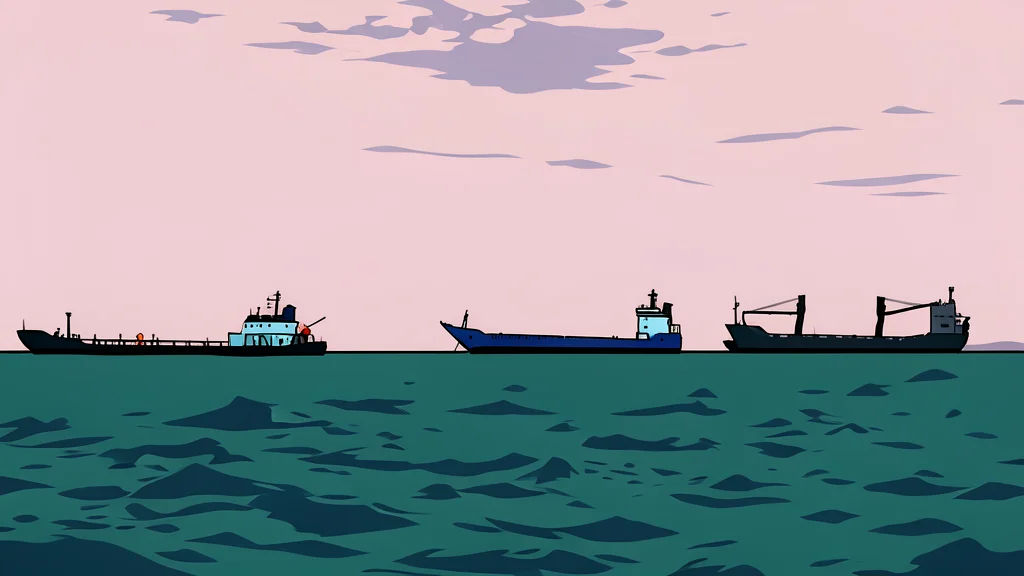
Gulf Diplomacy Stalls Amid Escalating Oil Supply Risks

A scheduled regional gathering on maritime security has been deferred, coinciding with renewed attacks that threaten critical energy infrastructure in the Persian Gulf.
Diplomatic efforts to stabilize the Persian Gulf have encountered a significant setback as a planned meeting between Iran and its regional neighbors was postponed. According to reports from GN auto geopolitics/middle-east: Middle East diplomacy, the deferral occurred just as tensions flared around the world's most vital oil transit routes. The delay has raised questions about the durability of recent diplomatic channels, particularly given the concurrent rise in military incidents that jeopardize global energy flows.
The postponement coincided with a sharp increase in oil prices as markets reopened, reflecting growing anxiety over supply disruptions. Saudi Arabia, the world's largest exporter, has kept a major east-west pipeline closed following drone strikes earlier in the week. This infrastructure is crucial for bypassing the Strait of Hormuz, and its offline status has intensified concerns about the resilience of regional energy exports.
Regional consensus delays scheduled talks
Oman’s foreign minister announced late Sunday that the gathering scheduled for Monday had been deferred in the interest of fostering consensus. In a statement, Sayyid Badr bin Hamad Al Busaidi emphasized the commitment to dialogue that supports stability and lasting cooperation. Mohammad Ali Bak, the Iranian director general for Persian Gulf affairs, confirmed the decision was made jointly with Oman at the request of several regional countries. Iranian officials had previously indicated they intended to use the meeting to present an agreement with Oman on governing shipping routes through the Strait of Hormuz.
Houthi actions intensify regional friction
Amid the diplomatic pause, military activity in Yemen has escalated. Houthi spokesperson Yahya Sarea claimed that Saudi warplanes conducted numerous airstrikes across multiple provinces in Yemen over the past 24 hours. The Houthis also reported capturing Perim Island in the Bab el-Mandeb Strait, a strategic chokepoint controlling the mouth of the Red Sea. These developments mark the most significant surge in fighting in Yemen in recent years, adding a new layer of complexity to the broader regional security landscape.
Energy markets face mounting pressure
The combination of diplomatic delays and physical disruptions to infrastructure has created a precarious situation for global energy supplies. Traders indicate that Saudi Arabia has sufficient crude stored at its Red Sea port of Yanbu to sustain exports for only five to seven days if the damaged pipeline remains offline. Beyond this window, a significant portion of global oil supply could be at risk, compounding the millions of barrels per day already affected by disruptions in the Strait of Hormuz. The uncertainty regarding the extent of the pipeline damage and the timeline for repairs remains a central concern for international markets.