US-Iran Talks Pivot to Nuclear Program as Gulf Meeting Delayed

Diplomatic efforts in the Gulf are shifting focus from maritime logistics to nuclear constraints, with a key regional summit postponed to allow for broader consensus.
American officials have signaled a strategic shift in their approach to diplomatic engagement with Tehran, according to reports from GN geopolitics/nuclear. The administration is reportedly seeking to narrow the scope of any future negotiations to focus exclusively on Iran’s nuclear program, rather than addressing broader regional issues such as the reopening of the Strait of Hormuz to regular tanker traffic. This pivot appears to be a response to growing concerns among Gulf partners that previous proposals risked cementing a status quo that would be difficult to reverse.
The change in direction coincides with the postponement of a scheduled meeting between Iranian officials and Gulf Cooperation Council diplomats in Salalah. Originally intended to finalize an Omani-led plan for maritime navigation, the talks were delayed to foster greater consensus among the participating states. Oman’s foreign minister emphasized that Muscat remains committed to regional dialogue and stability, while Saudi Arabia reportedly submitted amendments to the proposed language, citing worries that it could inadvertently restrict future policy options for the Gulf states.
Gulf diplomats seek consensus on maritime routes
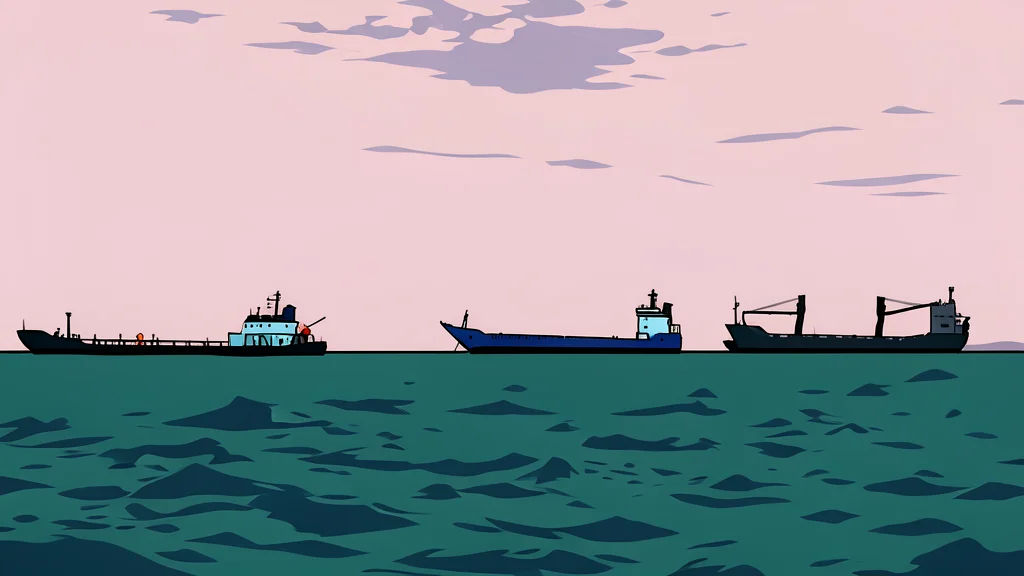
The Strait of Hormuz remains a critical chokepoint for global energy supply, and the delay in finalizing a permanent shipping framework has heightened tensions among regional actors. While Oman has proposed a structured route to ensure safe passage for tankers, Saudi Arabia and other Gulf states have expressed reservations about the long-term implications of the proposed terms. According to regional sources, the primary concern is that agreeing to specific maritime protocols without a comprehensive security framework could limit the flexibility of these nations to respond to future provocations or shifts in the security environment.
By steering the conversation toward nuclear issues, Washington aims to leverage its influence to secure stricter limits on Iran’s enrichment capabilities. This approach allows the US to maintain pressure on Tehran while giving Gulf partners more time to align their internal positions. The postponement of the Salalah meeting provides a temporary reprieve, allowing diplomats to re-evaluate the legal and strategic ramifications of the Omani proposal before committing to a binding agreement.
Regional security dynamics remain fluid
This diplomatic maneuvering occurs against a backdrop of ongoing military tensions in the region. Israeli Defense Minister Israel Katz stated that Israeli forces are preparing to take operational control of the Ali Taher Ridge in southern Lebanon, citing the need to prevent Hezbollah from reestablishing a military presence. Meanwhile, US Central Command officials have dismissed concerns over ammunition shortages, asserting that US forces remain well-equipped and ready for any contingency. These statements underscore the continued volatility in the broader Middle East, where multiple fronts are active simultaneously.
The interplay between nuclear diplomacy and regional security remains complex. While the US focuses on curbing Iran’s nuclear ambitions, local actors are grappling with immediate threats to their territorial integrity and maritime interests. The outcome of the upcoming bilateral and multilateral discussions will likely determine whether the region moves toward a stabilized security architecture or remains locked in a cycle of intermittent conflict and diplomatic stalemate.
Forward look at diplomatic negotiations
Analysts suggest that the next few weeks will be critical in determining the trajectory of US-Iran relations. If the nuclear-focused framework gains traction, it could isolate Tehran diplomatically, forcing concessions on its enrichment program. Conversely, if Gulf states feel their maritime concerns are being sidelined, they may push for a more integrated security deal that includes mutual defense guarantees. The balance between these competing priorities will define the next phase of the diplomatic effort.
Observers should watch for signals from Saudi Arabia and the UAE regarding their willingness to support a nuclear-only track. Additionally, any movement by Iranian officials to engage directly with Washington on nuclear limits, bypassing the maritime agenda, would indicate a shift in leverage. The coming days will reveal whether the region can decouple its nuclear disputes from its broader security challenges, or if the two remain inextricably linked.