Oman Postpones Strait of Hormuz Talks Amid US-Iran Tensions
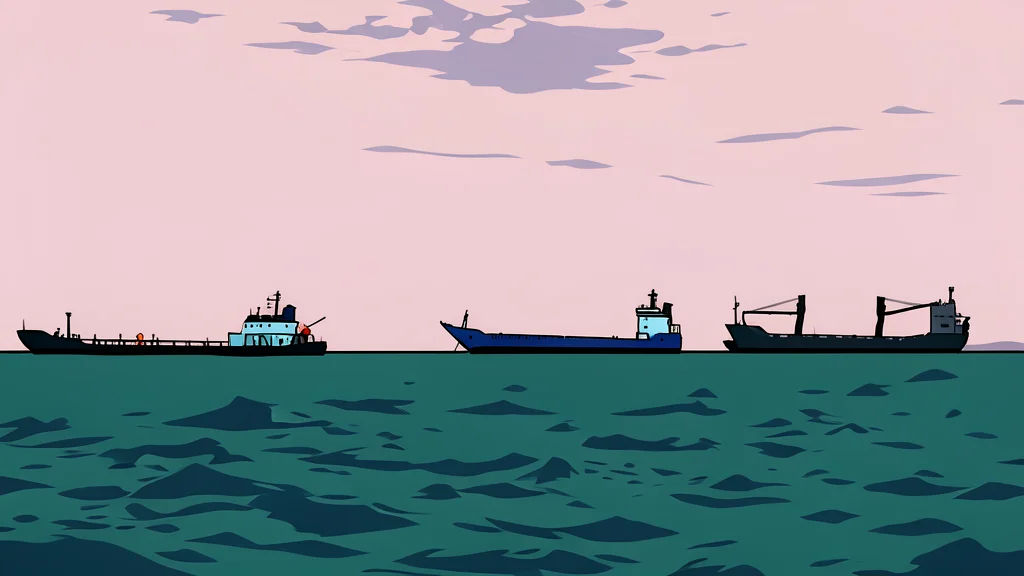
Regional diplomatic efforts to normalize shipping in the Strait of Hormuz have hit a significant pause, with Omani officials announcing the indefinite postponement of a key meeting scheduled for Monday.
Gulf diplomats and Iranian officials were set to convene in Salalah to discuss an Omani proposal for reopening the Strait of Hormuz to regular tanker traffic. The gathering, which was intended to proceed without United States participation, was indefinitely postponed according to Omani Foreign Minister Badr Albusaidi. In a statement on social media, Albusaidi cited the interests of consensus as the reason for the delay, while reaffirming Oman’s commitment to fostering dialogue that supports regional stability and lasting cooperation.
The postponement comes at a critical juncture where shipping traffic remains depressed, yet the Trump administration has maintained that the current state of the waterway is acceptable given the presence of US military escorts. According to the GN auto geopolitics/middle-east: Iran nuclear desk, the scheduled meeting would have underscored that regional countries are unwilling to accept the current status quo as the new normal. Despite months of private discussions regarding a complex legal framework, diplomats had hoped the gathering could create momentum for a deal, though regional sources indicated that no imminent breakthrough was expected.
Regional Disagreements Over Legal Framework
Saudi Arabia has submitted amendments to the proposed language, expressing concerns that the current framework could effectively establish a new status quo that is unacceptable to it and other Gulf Cooperation Council states. The core of the dispute revolves around the possibility of Iranian tolls, which remains widely rejected by Gulf partners. However, sources indicate a willingness to consider voluntary contributions for directing passage, with the Omani legal framework including provisions for voluntary payment toward navigational safety and environmental protection.
One primary goal of the Monday meeting was to agree on maps for routes going through the strait. Yet, the likelihood of the GCC countries and Iran aligning behind a comprehensive plan to open the waterway is considered virtually impossible without the United States at the table. The US administration has maintained that it would closely monitor discussions, emphasizing that it does not seek to oppose the gathering but remains firm in its strategic position regarding the waterway's control.
Washington Prioritizes Nuclear Negotiations
Trump administration officials have privately communicated to regional partners that they wish to refocus any future US-Iran negotiations on Tehran’s nuclear program rather than the reopening of the strait. President Donald Trump recently stated on Truth Social that he prefers the current position, citing almost total control of the Hormuz Strait and the collapse of Iran's economy. A US official clarified that the administration’s stance is to engage in dialogue only if Iran is willing to discuss the nuclear file, explicitly excluding the strait issue from the immediate agenda.
Militancy and Diplomatic Stalemate
The diplomatic impasse reflects a broader strategic shift following combat operations earlier this year. While the US initially underestimated Iran’s willingness to close the strait, American forces now believe they have reached a point where they hold the military upper hand in the waterway. Iranian officials have signaled to regional players that they would be open to nuclear negotiations with the US, but only when the strait issue is resolved, including the lifting of the US blockade. This conditional approach creates a deadlock that the postponed Omani talks were intended to help navigate.