Oil Markets React to Regional Escalation and Diplomatic Delays

Crude prices climbed as new attacks in the region and the postponement of key diplomatic talks raised fears of prolonged supply disruptions.
Oil prices rose in early Asian trade on Monday, driven by renewed security concerns in the Middle East and the cancellation of a significant diplomatic meeting. According to reports from GN auto geopolitics/middle-east: Middle East diplomacy, the market moved sharply higher before stabilizing slightly, with traders assessing the immediate impact of recent military incidents on global supply chains.
WTI futures traded at $102.2 per barrel, up 2.16%, while Brent crude settled at $106.8 per barrel, a 2.14% increase. These movements reflect a broadening risk premium as investors weigh the likelihood of extended disruptions to key energy corridors, particularly those linking Gulf producers to international markets.
Regional Conflict Intensifies Across Multiple Fronts
Tensions escalated over the weekend following claims by the Houthis of a large-scale missile and drone attack on Saudi Arabia. While Saudi state media did not confirm a specific base was hit, they acknowledged a projectile falling in the Jazan region. This incident follows a previous drone strike on the East-West Pipeline, which has forced the closure of a critical crude export route.
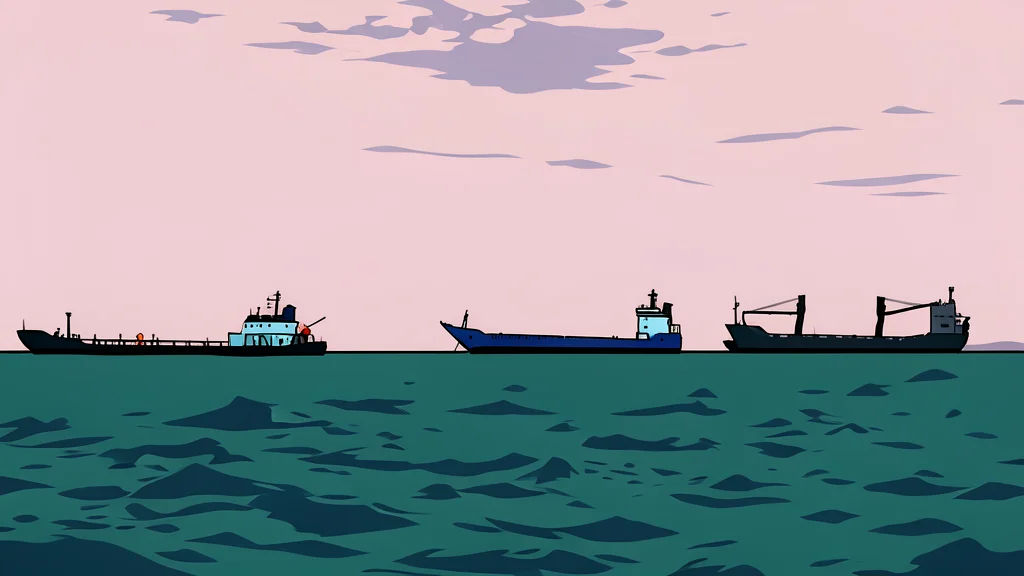
Simultaneously, maritime security concerns grew after the UKMTO issued an alert regarding a vessel struck by an unknown projectile in the Strait of Hormuz. Associated Press reported that an Iranian cargo vessel was hit off Qeshm Island, though it remains unclear if this is the same incident. These overlapping threats have heightened anxiety over the safety of shipping lanes.
Diplomatic Channels Remain Blocked
Amid the military developments, Oman’s Foreign Minister Badr Albusaidi announced that a scheduled Monday meeting between Gulf states and Iran had been postponed due to a lack of consensus. This gathering was intended to discuss a framework for the temporary management of shipping through the Strait of Hormuz.
The delay is significant because it would have marked the first time that top diplomats from the GCC sat down as a group with their Iranian counterparts since the current conflict began. The inability to reach a preliminary agreement has removed a potential stabilizing factor from the geopolitical landscape, leaving markets more exposed to further escalation.
Strategic Chokepoints Face Heightened Risk
The closure of the East-West Pipeline has already placed strain on Saudi export capabilities, with estimates suggesting up to 4% of global oil supply could be lost if the infrastructure is not repaired quickly. Reports indicate that multiple pumping stations were damaged by drones launched from Iraq, complicating efforts to restore full capacity.
Beyond the Gulf, the Houthis have expanded their control over the Bab el-Mandeb Strait, reaching the strategically important island of Perim. This position allows for increased monitoring of the Red Sea waterway and raises the possibility of further interference with maritime traffic. Analysts suggest that investors should closely monitor repair timelines for the pipeline and any further diplomatic overtures from regional powers in the coming days.