New Brunswick Weighs License Bans on U.S. Anglers Amid Trade Dispute

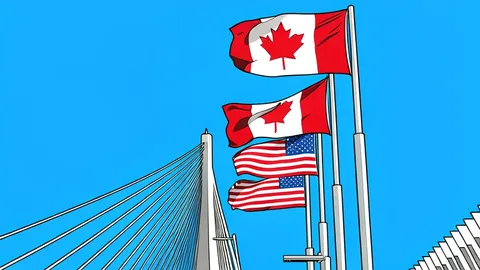
New Brunswick is considering restricting U.S. hunting and fishing licenses as a retaliatory measure against American tariffs.
Key points
- New Brunswick is reviewing legislation to potentially restrict U.S. citizens from obtaining hunting and fishing licenses.
- The move is a retaliatory measure against new U.S. tariffs on Canadian goods and import blocks.
- Local business owners argue that restricting American access would harm the provincial economy and tourism.
New Brunswick officials are exploring legislative changes that could restrict U.S. residents from obtaining hunting and fishing licenses. According to CBC, this move is part of a broader provincial response to recent trade tensions and new tariffs imposed by the United States on Canadian goods.
The proposal follows a statement by Premier Susan Holt, who outlined potential retaliatory measures including the elimination of U.S. goods from government contracts. A subsequent news release indicated that the province will review legislation to grant ministers the authority to limit license issuance based on specific criteria, raising concerns among American recreational hunters and anglers.
Economic stakes for local communities
Bradford Burns, a U.S. resident and long-time visitor to New Brunswick, has invested over one million dollars in local fishing camps. He argues that restricting access would harm local economies that rely on tourism and spending from American visitors, regardless of national political disputes.
Burns, who has driven from Maine to New Brunswick for 25 years, describes the region’s wilderness as central to his personal hobby. He contends that targeting individuals for their nationality is counterproductive, suggesting that such measures would drive away the very revenue that supports local businesses and infrastructure.
Political context and trade tensions
The potential restrictions emerge amid escalating trade friction, specifically following the imposition of 50 percent tariffs on select Canadian products and blocks on alcohol imports by the U.S. administration. Provincial leaders have framed these actions as necessary steps to protect Canadian interests and diversify away from American markets.
While the government has not yet finalized specific criteria for license restrictions, the legislative review signals a shift in policy. Critics, including some American residents who identify with opposing political views, argue that punishing private citizens for government actions is disproportionate and may damage long-standing cross-border relationships.
Uncertainty for future seasons
As the legislative review proceeds, uncertainty looms over the upcoming hunting and fishing seasons. Industry observers and residents are watching closely for official guidance on how these potential restrictions will be implemented, if at all.
The situation highlights the complex interplay between national trade policy and local economic dependencies. Whether the restrictions will be enacted remains to be seen, but the debate has already intensified discussions about the impact of geopolitical disputes on individual rights and regional stability.