Vienna Conference Tensions Rise over Iranian Delegation Access
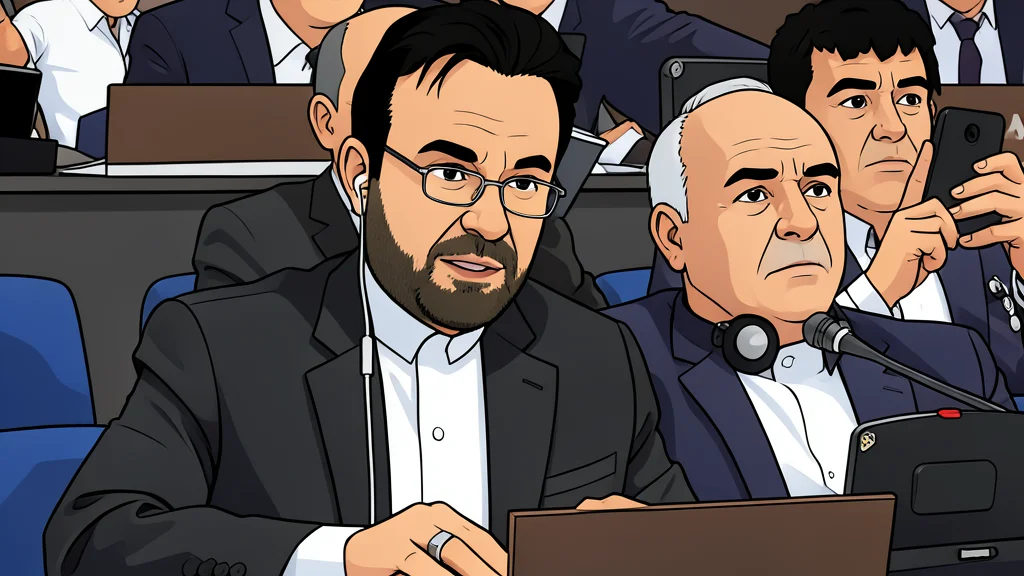
Diplomatic friction emerged at the IAEA General Conference as Iran challenges the restriction of its nuclear chief's participation, framing the dispute within broader sovereign rights and non-proliferation norms.
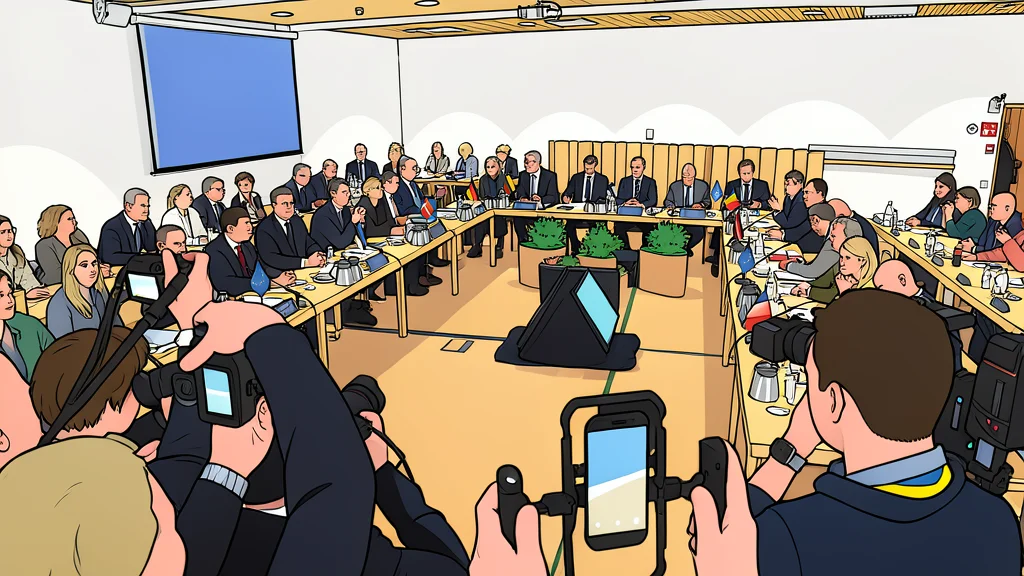
The 70th session of the International Atomic Energy Agency General Conference opened in Vienna amid a diplomatic dispute concerning the participation of Iran’s senior nuclear officials. According to the GN auto geopolitics/middle-east: Iran nuclear report, Iranian authorities have formally challenged the decision to restrict the ability of the head of the Atomic Energy Organization of Iran to deliver a scheduled address to the assembly.
Tehran has characterized this restriction as a direct violation of its sovereign rights and a breach of the IAEA Statute. Reza Najafi, the Iranian envoy to the International Organizations in Vienna, stated that the move conflicts with the principle of equal participation for all member states. This position has introduced a layer of political complexity to what is typically a technical and administrative gathering focused on nuclear safety and safeguards.
Formal Agenda Additions Proposed by Tehran
In response to the broader geopolitical context, Iran submitted a formal request to the IAEA Secretariat to include a specific item on the conference agenda. The proposal seeks to address the prohibition of all forms of attacks or threats of attack against safeguarded nuclear sites dedicated to peaceful purposes.
Iran’s explanatory note argues that targeting such infrastructure poses grave risks to global nuclear safety and undermines the integrity of the safeguards regime. The delegation urged the conference to examine the legal and institutional dimensions of such actions, asserting that they violate fundamental principles of international law and the UN Charter’s prohibition on the threat or use of force.
Broad Technical and Security Discussions
Despite the political tensions, the conference continues its standard work program through Friday at the Vienna International Centre. The agenda covers the agency’s annual report, progress in nuclear science and technology, and the implementation of technical cooperation programs.
Member states are also deliberating on the agency’s 2027 budget and enforcement of safeguards. These discussions remain central to the IAEA’s mandate to monitor nuclear activities globally and ensure that nuclear materials are not diverted to military use.
Alternative Representation for Iranian Delegation
Following efforts by other parties that reportedly blocked the scheduled address by the head of the Atomic Energy Organization, a different representative is set to speak on behalf of Iran. Behrouz Kamalvandi, the spokesperson and deputy head for international and legal affairs, is expected to deliver remarks later this week.
Observers are watching to see how this substitution affects the tone of the Iranian presentation and whether it leads to further procedural challenges. The outcome of these deliberations may influence future diplomatic engagements regarding nuclear transparency and regional security in the Middle East.