European Leaders Convene in Finnish Lapland to Address Arctic Security
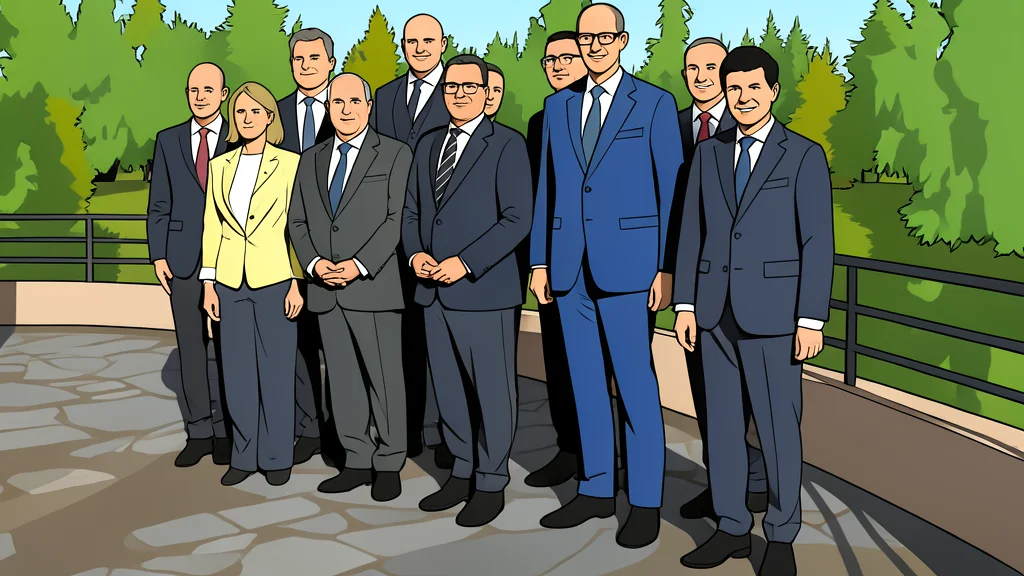
European heads of state gather in Rovaniemi to discuss rising hybrid threats and the shifting strategic landscape in the Arctic region.
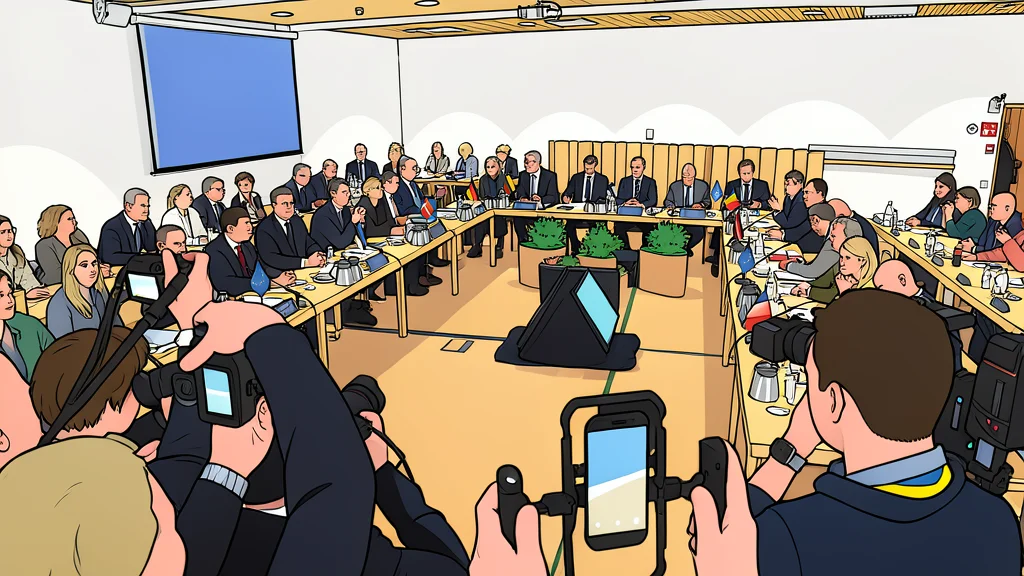
A high-profile assembly of European leaders has convened in Rovaniemi, Finland, for an Arctic summit designed to address escalating security concerns in the northern regions. Hosted by Finnish Prime Minister Petteri Orpo, the gathering brings together heads of state from across the continent to coordinate responses to what officials describe as a new era of asymmetric warfare. The meeting marks a significant shift in diplomatic focus, moving away from previous frameworks of cooperation with Russia toward a unified defense posture among Baltic and Nordic nations.
Estonian Prime Minister Kristen Michal, among the attendees, stated that he anticipates an increase in hybrid attacks across Europe. According to Michal, these operations, which fall short of conventional military conflict but aim to disrupt societal functions, are intended as a strategic message to NATO and Baltic states. He noted that the Kremlin utilizes proxies and criminal networks to execute such actions, aiming to deter European support for Ukraine without triggering a direct military confrontation.
Coordinating a Unified Regional Response
The summit features a broad coalition of political figures, including German Chancellor Friedrich Merz, Polish Prime Minister Donald Tusk, and Danish Prime Minister Mette Frederiksen. Also present are leaders from Latvia, Lithuania, and Romania, alongside EU Council President António Costa and foreign policy chief Kaja Kallas. The absence of Swedish leadership, due to recent parliamentary elections, did not diminish the scale of the event. The gathering underscores a collective effort to align security policies among nations bordering the Baltic Sea, recognizing the interconnected nature of threats in the region.
While Michal expressed confidence that Russia does not intend to test NATO’s Article 5 collective defense clause, intelligence warnings from Western services suggest otherwise. Reports indicate that both hybrid campaigns and limited military strikes remain possibilities. The leaders in Rovaniemi are thus tasked with reinforcing defensive capabilities while maintaining diplomatic channels, balancing the need for deterrence with the avoidance of escalation in a sensitive geopolitical environment.
Shifting Arctic Policy and Funding Priorities
Finland’s initiative to organize this summit reflects a broader transformation in Arctic policy. Previously, the region was viewed as a zone for cooperation between the EU, Russia, Norway, and Iceland. With Russia now positioned as a security threat rather than a partner, the strategic calculus has changed. According to reports from the GN geopolitics desk, the summit seeks to elevate Arctic issues on the EU agenda, prioritizing security infrastructure over economic collaboration with Moscow.
A key economic objective discussed at the meeting is the acquisition of increased EU funding for the region. Finland has expressed a specific interest in expanding its fleet of icebreakers, recognizing their dual role in civilian logistics and national defense. This investment strategy aims to bolster the operational capacity of northern states, ensuring that they can maintain sovereignty and security in increasingly contested waters.
Monitoring Future Strategic Developments
As the summit concludes, attention turns to the implementation of agreed-upon security measures and the potential for further diplomatic engagement. The next phase will likely involve enhanced intelligence sharing and joint military exercises among participating nations. Observers will watch closely for any signs of retaliatory actions or further hybrid incidents, which could test the resilience of the newly coordinated European defense framework in the Arctic.