Merz Faces Coalition Friction as Leadership Pressure Builds
Chancellor Friedrich Merz urges party unity after electoral setbacks, while coalition partners question the stability of the governing alliance.
Chancellor Friedrich Merz has called for discipline within the Christian Democratic Union, seeking to redirect focus toward Europe’s security needs after the party suffered a significant defeat in Saxony-Anhalt. The call for unity comes as internal criticism of his leadership intensifies, with some members openly debating whether he should be replaced.
The tension has spilled over into the governing coalition, where partners are increasingly explicit about their position. According to reports, Social Democratic Party officials have signaled that their continued participation in the government is not contingent on Merz remaining in the chancellor’s office, marking a notable shift in the political dynamic.
Coalition Partners Question Leadership
Senior figures in the center-left Social Democratic Party have expressed concern over the turmoil within the CDU. Parliamentary manager Dirk Wiese noted that nerves appeared frayed, urging the party to refocus on agreed-upon reforms rather than internal disputes. He declined to explicitly tie the coalition's future to Merz personally, suggesting instead that the chancellor needed to adopt a different tone in his communication.
Green Party co-leader Felix Banaszak took a more direct approach, describing the current speculation as irritating. He argued that the government had been elected and bore a responsibility to govern effectively during dramatic times. Banaszak’s comments highlighted a broader frustration among coalition partners who feel the leadership is losing control over both the alliance and internal party discussions.
Support Amidst Internal Criticism
Despite the growing pressure, prominent CDU politicians continue to back the chancellor. Budget policy spokesman Matthias Middelberg described the leadership debate as unnecessary and stated his continued belief in Merz. Foreign Minister Johann Wadephul also defended the government, asserting that the chancellor could rely on the support of the parliamentary groups and the Cabinet, describing the administration as stable.
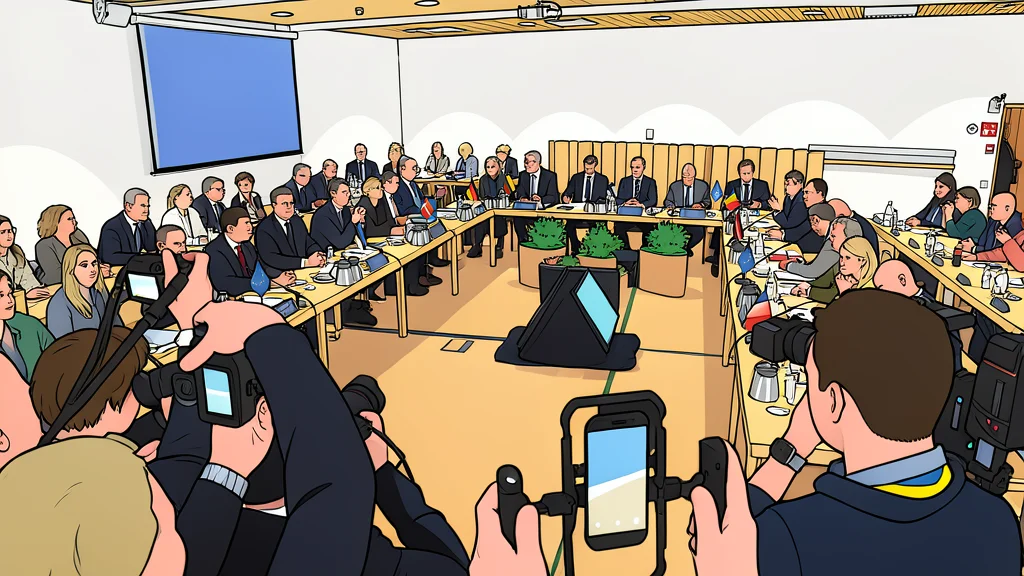
Merz himself addressed the situation from an Arctic policy meeting in Finland, emphasizing Germany’s role in determining the fate of the European continent. He argued that the country's strategic interests were far more important than domestic political debates, urging colleagues to prioritize security policy over internal conflicts.
Housing Crisis Deepens
Amid the political uncertainty, economic indicators point to growing challenges for households. According to Deutsche Welle, Germany's homeownership rate has dropped to 43.5%, its lowest level in two decades. A recent study attributes this decline to high construction costs, rising interest rates, and the impact of current housing policies on affordability.
The convergence of political instability and economic strain creates a difficult backdrop for the government. As speculation continues over potential leadership changes or early elections, the ability of the coalition to deliver on its reform agenda remains under scrutiny. Observers will be watching closely how the next few weeks unfold, particularly regarding the stability of the ruling alliance and the government's capacity to manage both security and economic priorities.