Houthi Gains in Yemen Reshape Red Sea Maritime Dynamics
A rapid Houthi advance along Yemen's Red Sea coast has secured control of strategic islands, raising concerns about increased pressure on global shipping lanes and Iran's expanding influence in the region.
The Houthis have executed a swift military offensive across the Tihamah coastal plain, capturing a significant stretch of Yemen's Red Sea shoreline in a matter of days. According to recent estimates, the group has seized approximately 130 kilometers of coastline, a development that has caught many regional observers off guard. This rapid consolidation of territory marks the most significant military achievement for the group in several years, demonstrating its continued operational capability despite a decade of civil war and sustained aerial campaigns by multiple international actors.
Analysts suggest that the Houthis are unlikely to be dislodged from these newly acquired positions in the near term. Hisham al-Omeisi, a senior analyst at the European Institute of Peace, noted that the group is now entrenched, making any future attempt to push them out considerably more costly. This shift in the balance of power on the ground coincides with a broader realignment of support within Iran's network of allied groups, as Tehran redirects resources toward the Houthis following setbacks experienced by other affiliates in the region.
Strategic Control of Maritime Chokepoints
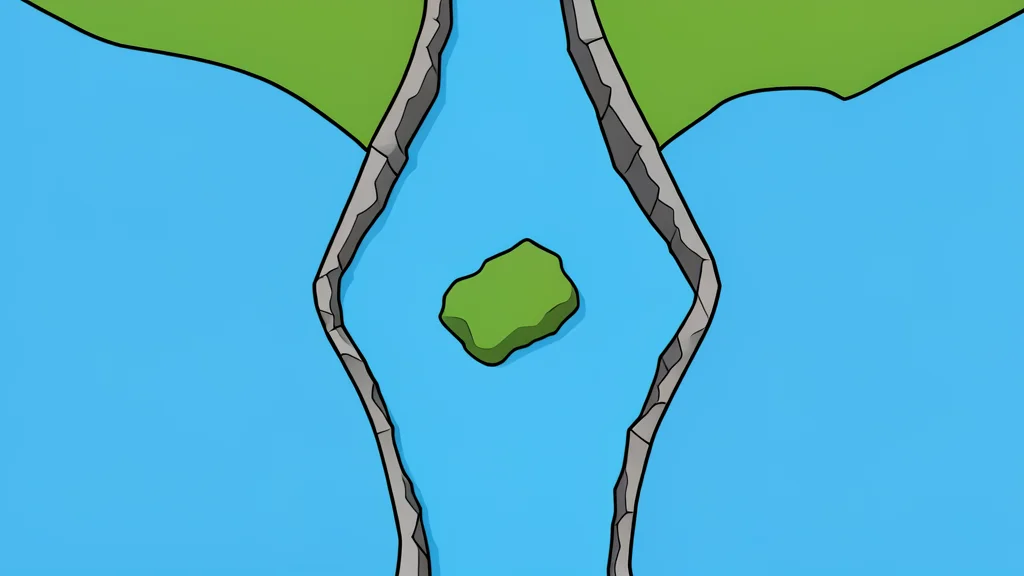
The geopolitical implications of these gains extend beyond the Yemeni border, as Tehran now exerts influence over two of the world's most critical maritime passages: the Strait of Hormuz and the Bab al-Mandab strait. Farea al-Muslimi, a research fellow at Chatham House, described this dual control as a form of leverage comparable to a nuclear weapon, given that these chokepoints handle a substantial portion of global fuel and oil trade. The capture of key islands, including Perim, which sits at the narrowest point of the Bab al-Mandab, further enhances the group's ability to monitor and potentially interfere with international shipping.
While the Houthis have issued statements claiming that maritime navigation is safe for most vessels, shipping companies remain cautious. Iona Craig, a Yemen expert, pointed out that the group's previous actions in the Red Sea have demonstrated a high capacity for disrupting trade through missiles and drones. Although the Houthis may refrain from indiscriminate attacks to avoid further international retribution, the physical control of territory overlooking the strait provides them with a far greater strategic advantage than they previously possessed.
Shifting Dynamics in Regional Alliances
The material provided by GN auto geopolitics/middle-east: Yemen conflict highlights a complex relationship between the Houthis and Iran. While it is a common simplification to label the Houthis as mere proxies, the recent reallocation of support suggests a deepening dependency. With other components of the Iranian-aligned axis facing significant military and political challenges, the Houthis have become a primary vehicle for Tehran's regional influence. This shift underscores the resilience of the group and its central role in the ongoing geopolitical contest over the Red Sea.
Uncertain Future for International Shipping
The future stability of Red Sea trade routes remains uncertain as global powers weigh their options. The prospect of a new front in the broader conflict involving the United States and Iran is complicated by domestic political considerations and rising oil prices. As shipping companies assess the risks, the ability of the Houthis to enforce their own rules of engagement in the strait poses a persistent challenge to the security of global supply chains.