China Pursues Port and Power Deals in Sudan Amid Ongoing Conflict
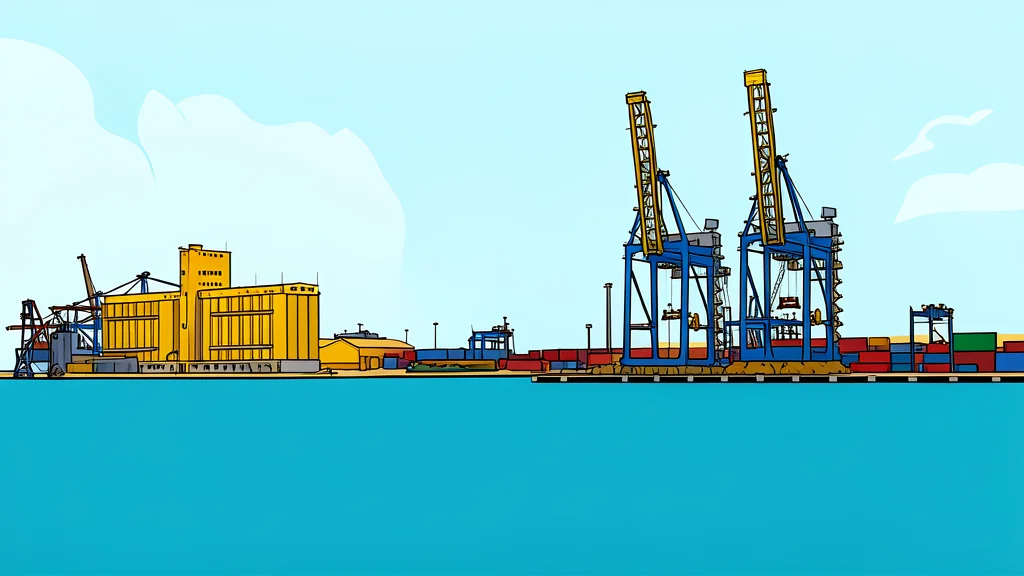
Beijing is positioning itself for a significant role in Sudan's reconstruction by advancing infrastructure agreements with the army-backed government while hostilities continue.
China is accelerating its efforts to secure a central role in Sudan’s post-war reconstruction by negotiating port and power agreements with the army-backed government in Khartoum. According to reporting by GN auto geopolitics/africa: Sudan conflict, these moves are taking place while many Western nations have scaled back their presence due to the ongoing conflict. The strategy appears designed to lock in favorable investment terms before the political landscape fully stabilizes, leveraging the current diplomatic vacuum left by other international actors.
The approach relies on the army-backed government’s limited leverage during the war, which may allow Chinese firms to negotiate advantageous conditions. By maintaining diplomatic operations in Port Sudan even as embassies from the United States and other countries suspended activities, Beijing has preserved a channel for direct engagement. This persistent presence underscores a broader strategy where economic partnerships are used not just for profit, but as a mechanism to influence the trajectory of the conflict.
Infrastructure Agreements Advance Despite Fighting
Specific commercial steps have already been taken, marking a tangible shift from rhetoric to action. In July, Sudan signed an agreement with the China Harbour Engineering Company to upgrade existing facilities and construct new ports. Simultaneously, Siyuan Energy has agreed to assess damaged power stations and supply critical equipment such as transformers and mobile substations. Additionally, Hunan Construction is evaluating hybrid power projects, indicating a broad scope of interest in restoring essential services across the country.
Diplomatic Leverage Through Economic Engagement
Analysts suggest that Beijing is using the prospect of future investment as a bilateral incentive to encourage warring parties to cease hostilities. Tim Zajontz, an interim professor of international relations at the University of Freiburg, noted that Sudan may be becoming the next test case for China’s peace-through-development approach. This method contrasts with traditional diplomatic mediation by tying stability directly to economic recovery, creating a tangible stake for all parties in achieving a ceasefire.
The strategy highlights a distinct divergence from Western approaches, which have largely withdrawn from active engagement in the conflict zone. By staying present and contracting for reconstruction, China positions itself as a reliable partner for development, regardless of the immediate political complexities. This long-term bet on infrastructure could shape the geopolitical alignment of Sudan for years to come, potentially limiting the influence of other international actors once the war ends.
Looking Ahead to Reconstruction Dynamics
The next phase will likely depend on whether the current agreements translate into physical construction and operational improvements. Observers should watch for the arrival of equipment and personnel for the port upgrades and power station repairs, as these would signal a commitment beyond preliminary talks. The success of this strategy hinges on the stability of the army-backed government and its ability to enforce contracts in a fragmented security environment.
Ultimately, the outcome will determine if economic integration can serve as a stabilizing force or if it merely consolidates the position of the current power holder. As the conflict drags on, the actions taken now by Beijing will set the foundation for Sudan’s economic infrastructure, potentially defining the country’s international partnerships for a generation.