King Salman Condemns Houthi Attacks on Mecca
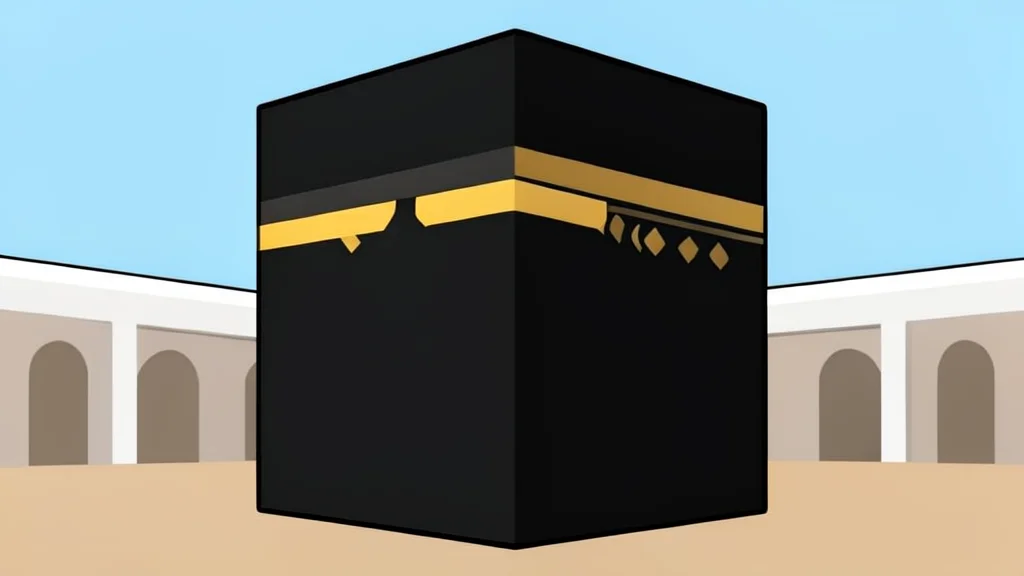
Saudi Arabia's monarch accused the Houthi movement of targeting the holy city, a rare move signaling rising security concerns in the kingdom.
Key points
- King Salman branded the Houthi movement a terrorist militia for targeting Mecca.
- Saudi Arabia intercepted a drone aimed at Mecca, the first such alert in ten years.
- Saudi Arabia, Turkiye, and Pakistan signed a mutual defense pact last month.
Saudi Arabia’s King Salman has described the Houthi movement as a terrorist militia, accusing the group of repeatedly targeting the holy city of Mecca. The 90-year-old monarch made these remarks during a cabinet meeting, a rare direct intervention in current affairs given that Crown Prince Mohammed bin Salman typically manages day-to-day governance.
According to the Saudi Press Agency, the king labeled the suspected targeting of Mecca a heinous crime and a provocation against Muslim sentiment worldwide. This statement comes amid a significant increase in Houthi attacks on Saudi territory, which Riyadh describes as one of the greatest security threats in years.
Recent Escalation in Regional Tensions
Last week, Saudi officials stated they intercepted a drone aimed at Mecca, an allegation the Houthis strongly denied. Houthi leader Abdel-Malik al-Houthi characterized the Saudi claims as a lie. This incident marked the first time in nearly a decade that a security alert was activated in the city, home to the Kaaba.
Houthi missile and drone strikes have increasingly targeted Saudi cities, energy infrastructure, and shipping routes. On Saturday, coalition forces reported intercepting a ballistic missile fired toward Riyadh, which caused smoke to rise from a fuel storage area near the international airport. These actions have opened another front in the wider regional conflict.
Diplomatic Responses and Defense Pacts
King Salman cited recent diplomatic engagements, including a meeting between the crown prince and Egyptian President Abdel Fattah el-Sisi in Cairo. He also referenced conversations with French President Emmanuel Macron regarding efforts to enhance regional stability and ensure the security of maritime navigation, according to reports by Al Jazeera English.
As Houthi fighters have expanded control over Yemen’s Red Sea coast, global energy supplies face heightened risks. This coast serves as an alternative route for Saudi oil exports amid the blockade of the Strait of Hormuz. To address these threats, Saudi Arabia, Turkiye, and Pakistan recently signed the Mecca Joint Defence Agreement, which treats an armed attack on any member as an attack on all three.