Houthis Expand Red Sea Control Amid US Restraint

Recent Houthi advances in the Red Sea have heightened regional tensions, prompting questions about the limits of American support for Gulf allies.
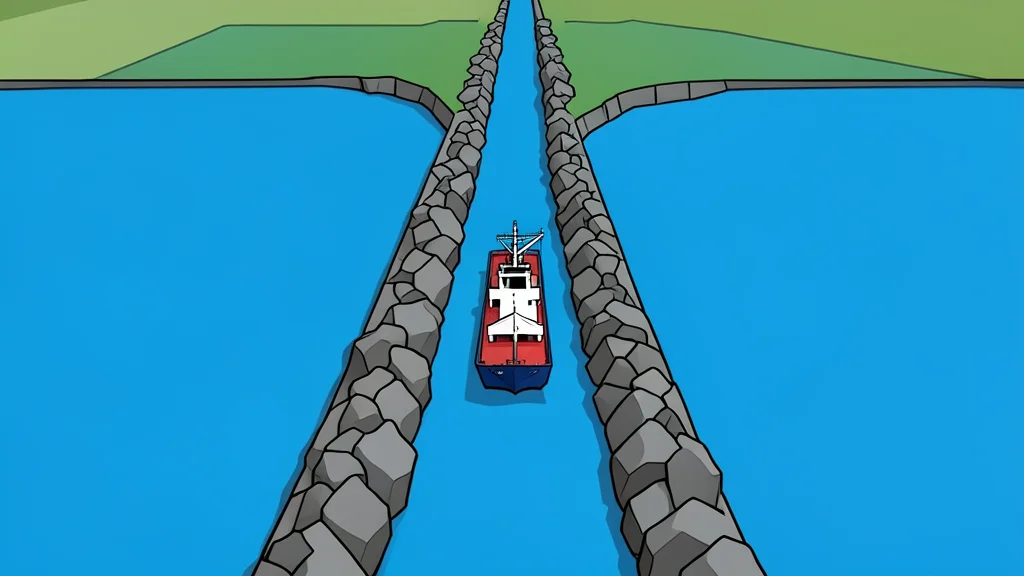
The Iran-backed Houthi movement has significantly expanded its territorial control in Yemen, including the seizure of a strategic island in the Red Sea. According to reporting from GN auto geopolitics/middle-east, these moves have intensified an already severe global energy crisis and complicated the security landscape for regional partners. While the group appears to be moving toward controlling the Bab al-Mandeb Strait, Washington has signaled a distinct reluctance to deploy its own military forces to halt the advance.
US officials acknowledge that the Houthis are advancing with specific strategic goals, yet the Trump administration is relying on Saudi Arabia to lead the counter-effort. Despite providing increased intelligence and targeting data, American policymakers maintain that direct kinetic strikes by US forces are not currently part of the strategy. This approach has left Gulf allies feeling frustrated, as Saudi-backed forces have struggled to recapture key coastal towns despite receiving significant support.
Reliance on Saudi Countermeasures
For over a decade, Saudi Arabia has led the effort against the Houthis, who are supported by Iran’s Islamic Revolutionary Guard Corps. Although a 2022 truce had reduced hostilities, fighting has recently resumed and intensified. Saudi authorities have accused the Houthis of targeting Mecca, while the rebels claim to have downed a Saudi fighter jet. US sources indicate that the Kingdom has expressed confidence in its ability to handle the threat, backed by years of training and recent intelligence sharing.
However, many regional observers and former diplomats note that the weaknesses of the Saudi-backed Yemeni forces are well-known. US intelligence reports had previously indicated that the Houthis would likely attempt to restrict commercial shipping lanes, a tactic similar to actions taken by Iran earlier this year. The inability of Saudi forces to effectively stop the Houthi takeover of coastal areas has led to doubts among Gulf officials about the sustainability of the current defense posture without more direct American involvement.
White House Stance on Intervention
President Donald Trump has clearly defined his red line against direct US participation in strikes against the Houthis. In recent remarks, he stated that the group does not wish to fight the United States and prefers to avoid US involvement. He characterized the conflict as primarily a Saudi issue, suggesting that Washington would help