ICRC Delivers Critical Medical Aid to Strained Yemeni Hospitals
Recent escalations in hostilities have placed immense pressure on healthcare infrastructure in Yemen, prompting an urgent international response to sustain emergency services.
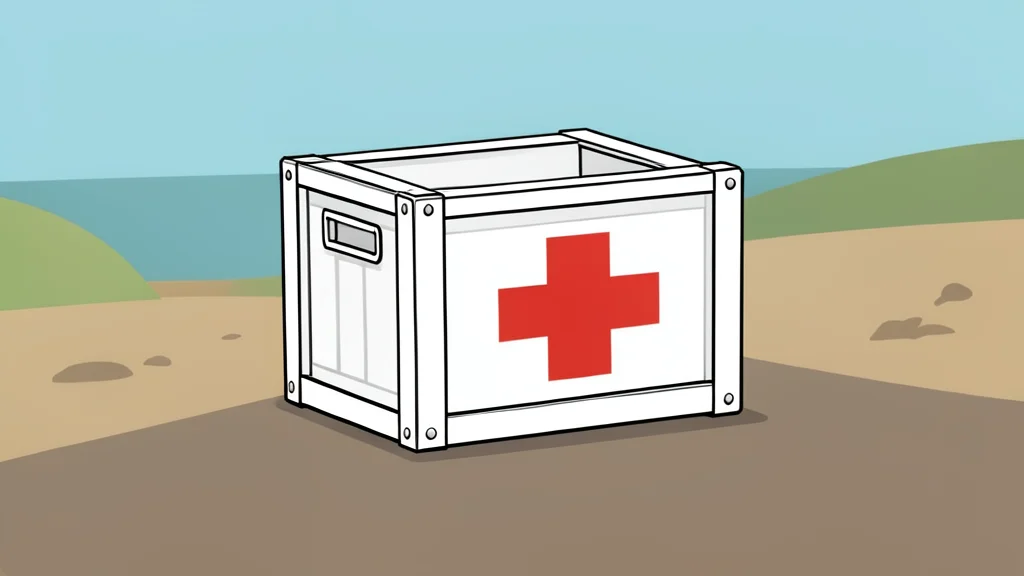
The International Committee of the Red Cross has delivered 22 tonnes of medical supplies to support front-line hospitals in Yemen, according to the organization’s latest report. This shipment is part of a broader emergency response aimed at alleviating the severe strain on healthcare facilities caused by intensifying fighting. The delivery is particularly critical for regions where medical resources have become scarce due to the influx of war-wounded patients.
Christine Cipolla, the ICRC head of delegation in Yemen, stated that the recent escalation in hostilities has overwhelmed local hospitals. Facilities are grappling with critical shortages of essential medical supplies while simultaneously managing a surge in trauma cases. The ICRC is working swiftly to distribute these supplies to priority hospitals and health facilities across the country to ensure that life-saving care continues uninterrupted for those in desperate need.
Mobile Surgical Teams In Marib
In Marib governorate, where healthcare infrastructure is under significant pressure, the ICRC deployed a mobile surgical team to Marib General Hospital in late August. This team has been working alongside Yemeni medical staff to perform emergency triage and surgical operations, thereby strengthening the region's emergency response capacity. The presence of this specialized unit is intended to bridge gaps in surgical care during periods of high demand.
Beyond the immediate delivery of supplies, the ICRC is coordinating efforts to bring in additional stocks to further enhance emergency capabilities. The organization is also scaling up its support for the Yemeni Red Crescent Society, which has seen more than 50 ambulances become operational on both sides of the front lines. These coordinated efforts aim to ease the overall pressure on healthcare systems that are struggling to cope with the volume of casualties and the logistical challenges of the conflict zone.
Humanitarian Constraints And Neutrality
Despite these efforts, the ICRC has cautioned that the scale of the current crisis could quickly exceed existing response capacities. In certain parts of Yemen, the organization is the only international humanitarian entity active on the ground, highlighting the isolation and difficulty of delivering aid in such a volatile environment. The ICRC has emphasized that its mission remains purely humanitarian, refusing to take sides in the conflict while prioritizing the alleviation of human suffering.
According to the ICRC, the organization continues to engage with all parties to the conflict, urging them to protect civilians and civilian infrastructure. The priority remains ensuring that essential services and supplies reach those in need, while also advocating for the humane treatment of detainees and compliance with international humanitarian law. The situation underscores the urgent need for sustained international support to maintain basic health services in the region.
Monitoring Future Escalation Risks
Looking ahead, observers should watch for further intensification of hostilities that could further degrade healthcare infrastructure. The sustainability of the ICRC's response will depend on continued access and the ability to replenish medical stocks. Additionally, the operational status of the Yemeni Red Crescent Society and the capacity of local hospitals to manage ongoing trauma cases will be key indicators of the humanitarian situation's trajectory in the coming weeks.