ICS Briefs UN Security Council on Strait of Hormuz Risks

The International Chamber of Shipping urged the UN Security Council to protect merchant vessels from geopolitical coercion in key global trade routes.
Key points
- ICS Secretary General Thomas Kazakos briefed the UN Security Council on the need to protect freedom of navigation in the Persian Gulf.
- The Strait of Hormuz handles about 25% of global seaborne oil trade, making its security critical to the international economy.
- The ICS urged that commercial vessels and seafarers must not be treated as political tools or held to ransom during geopolitical conflicts.
The International Chamber of Shipping (ICS) has formally addressed the United Nations Security Council regarding the escalating risks to global maritime trade. The briefing, delivered by ICS Secretary General Thomas A. Kazakos, focused on the necessity of preserving freedom of navigation and the safety of civilian shipping amidst rising geopolitical tensions.
According to shipmanagementinternational.com, the meeting was convened by the Kingdom of Bahrain as an Arria-Formula session, a mechanism designed to facilitate direct dialogue between the Security Council and external stakeholders. The discussion centered on the deteriorating security environment in the Persian Gulf and its broader implications for the international economy.
Strategic Importance of Global Waterways
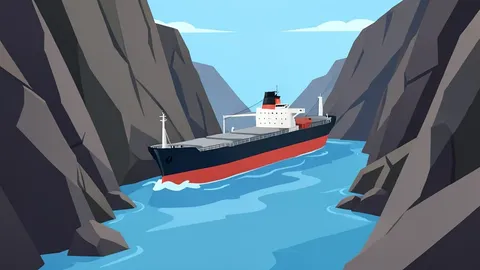
During his address, Kazakos highlighted the critical role of the Strait of Hormuz as a vital artery for international commerce. He noted that this waterway carries approximately one quarter of global seaborne oil trade, along with significant volumes of liquefied natural gas and fertilisers. The ICS emphasized that any disruption in this region has profound consequences for energy supplies and global markets.
The ICS Secretary General warned against the politicization of commercial navigation, stating that straits must not become subject to arbitrary restrictions or permission-based passage. He argued that the ability of ships to move safely and predictably is a cornerstone of international maritime law, not a privilege that can be withdrawn based on shifting political circumstances.
Protection of Civilian Seafarers
A central theme of the briefing was the human cost of maritime insecurity. Kazakos stressed that seafarers are civilians who transport essential goods such as food, energy, and medicines. He urged the Security Council to recognize that these individuals are not parties to geopolitical conflicts and must not be exposed to danger as collateral damage in wider disputes.
The ICS reiterated its position that merchant ships and their crews must be protected from acts of coercion or ransom. The organization called for a reaffirmation of the international legal framework that governs the oceans, ensuring that commercial shipping is not held hostage to military or political agendas.
Call for Restored Legal Norms
In closing, the ICS expressed its commitment to working with governments and international bodies to strengthen maritime security. The organization thanked the Kingdom of Bahrain for facilitating the dialogue, which provided a platform for the shipping industry to articulate its concerns directly to the Security Council members.
The next steps will likely involve monitoring whether the Security Council translates these briefings into concrete diplomatic actions or resolutions. Observers will watch for any shifts in naval deployments in the Gulf region and whether major trading nations issue joint statements reinforcing the principle of unrestricted commercial passage.