Iran Accelerates Reconstruction of Parchin Nuclear Site
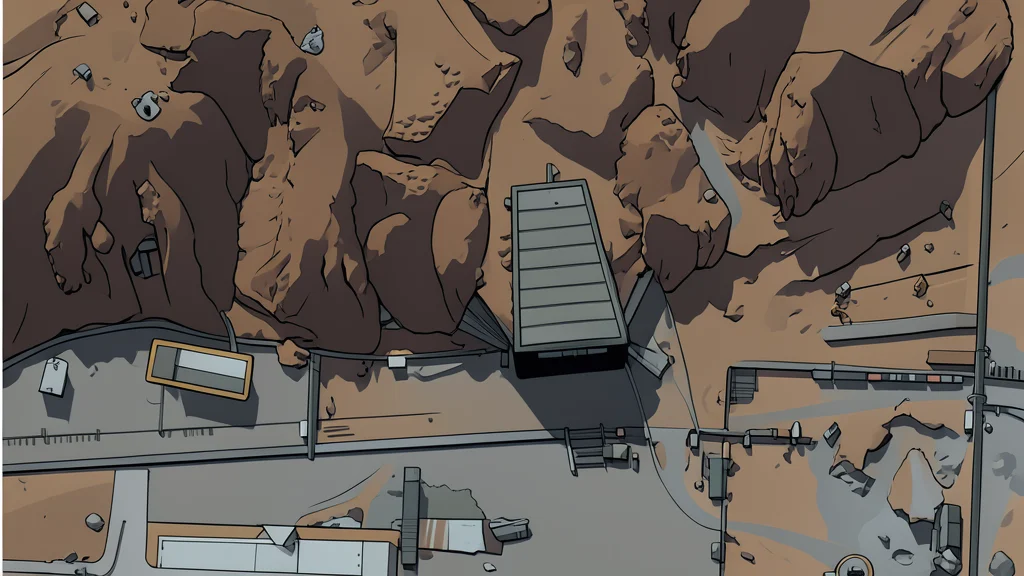
New satellite analysis indicates Tehran has resumed rapid rebuilding of the Taleghan 2 facility, a site previously linked to nuclear weapons research and struck by Israeli forces earlier this year.
Iran is moving quickly to reconstruct a sensitive underground facility within the Parchin military complex, according to recent satellite imagery analysis. The site, known as Taleghan 2, has been the subject of repeated strikes by Israel due to its suspected role in the country's nuclear weapons program. Despite previous destruction, the latest visual data suggests a significant acceleration in reconstruction efforts, with heavy machinery operating around the perimeter and new protective structures being erected.
The Institute for Science and International Security, led by former UN inspector David Albright, reported that Iran has installed a large tarpaulin over the hardened structure to obscure activity from aerial surveillance. This move, combined with the presence of bulldozers and concrete mixers, indicates a concerted effort to hide the scope of the repairs. Analysts describe the development as deeply concerning given the facility's history, though Tehran continues to deny any intention to pursue nuclear weapons.
Obscuring Activities From Aerial Surveillance
Imagery captured on September 13 shows a large industrial tarpaulin covering the remains of the underground complex. This covering is designed to prevent satellites and reconnaissance aircraft from observing the work taking place beneath. According to the analysis, construction vehicles including cranes and dump trucks are positioned around the site, suggesting active and intensive repair work. The use of such concealment methods marks a shift from previous reconstruction phases, where the site was more visible to external observers.
The facility is also receiving significant defensive upgrades. New concrete reinforcements are being built to provide additional blast protection, likely in anticipation of another Israeli attack. This suggests that Iranian authorities are prioritizing the durability of the structure against future precision strikes. The combination of concealment and reinforcement points to a strategic decision to keep the site operational despite the risks posed by external military intervention.
History of Strikes and Reconstruction Cycles
Taleghan 2 has been targeted multiple times in recent years. Israel first destroyed the building during air strikes in October 2024. Iran subsequently began rebuilding in May 2025, constructing a more fortified version with a reinforced steel frame and concrete shell. During that phase, imagery suggested the installation of a large cylindrical structure, which analysts assessed may have been a high-explosive containment vessel. This pattern of destruction and rebuilding has created a cycle that continues to raise questions about the long-term intentions of the Iranian nuclear program.
In March of this year, Israel struck the facility again. High-resolution imagery following the attack revealed three large penetration holes caused by bunker-busting weapons, located directly above the section where the suspected containment vessel had been installed. The Institute for Science and International Security assessed that the precision of these strikes likely destroyed the vessel and compromised the internal structure. Iran began repairing the damage in June, initially covering the holes before installing reinforced concrete caps. The current phase of reconstruction appears to have accelerated considerably since then, with new concrete aprons constructed around both sides of the facility.
Unresolved Questions About Facility Purpose
The exact purpose of the rebuilt complex remains unclear. Taleghan 2 formed part of Iran's secret Amad program, which Western intelligence agencies believe sought to develop nuclear weapon capabilities in the early 2000s. The International Atomic Energy Agency and US intelligence agencies state that Iran shuttered this program in 2003. However, the site is believed to have housed a chamber for high-explosive experiments relevant to warhead development. The Institute for Science and International Security noted that the question of why Iran continues to rebuild this specific facility remains unanswered, despite the clear commitment to its restoration.
This development adds a new layer of complexity to the geopolitical landscape in the Middle East. The rapid reconstruction, conducted under conditions of concealment and enhanced defense, suggests that Tehran views the facility as strategically important. Observers will likely continue to monitor the site for further changes in infrastructure or activity. The tension between Iranian efforts to protect and rebuild sensitive sites, and Israeli efforts to deny those capabilities, remains a central dynamic in regional security. The forward question is whether this cycle of strikes and reconstruction will escalate further or lead to renewed diplomatic engagement.