Iran and US Exchange Threats Amid Regional Escalation
Tensions between Washington and Tehran have intensified following recent Houthi attacks, with both sides issuing stark warnings while a potential diplomatic window remains open during upcoming UN sessions.
The geopolitical standoff between the United States and Iran has deepened as both nations exchanged sharp rhetorical threats over the weekend. President Donald Trump warned that Iran faces severe economic collapse or significant leadership consequences if it does not reach a deal, according to a report from AOL.com. These comments came against a backdrop of stalled negotiations and ongoing regional instability that has persisted for months without clear movement toward de-escalation.
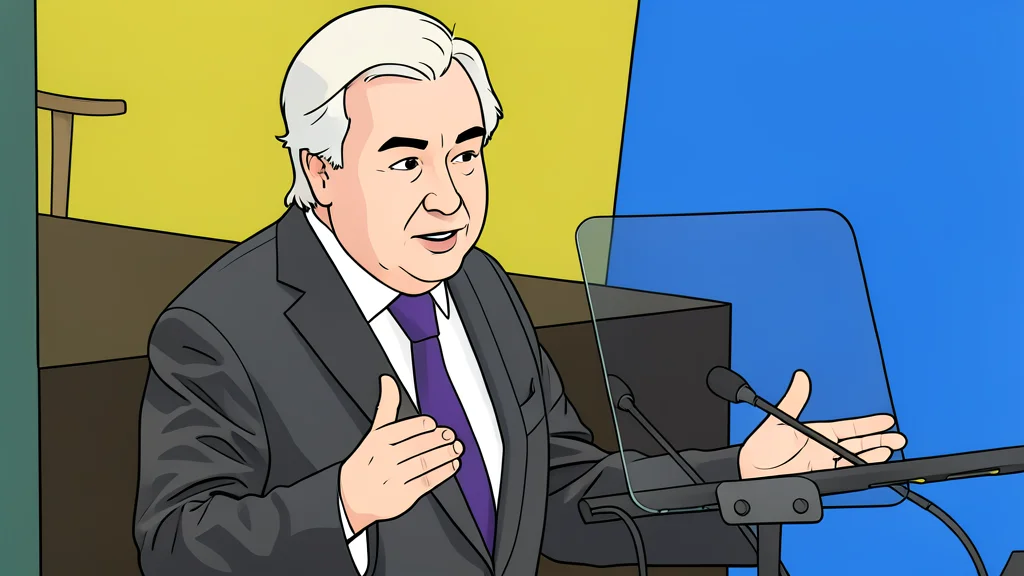
Iran’s military command responded by stating that any new attack would trigger sustained retaliation against American bases and interests. The Iranian side also indicated that Washington’s regional allies would be considered parties to the conflict. This hardline posture contrasts with the possibility of a direct meeting, as Trump indicated he might be open to speaking with Iranian President Masoud Pezeshkian during the United Nations General Assembly in New York this week.
Houthi Strikes Complicate Gulf Security
The regional situation has worsened due to recent military gains by Yemen’s Iran-backed Houthi group. The organization launched missile and drone strikes at Saudi Arabia’s capital, Riyadh, causing significant disruption. Video footage showed large plumes of smoke rising near the city’s main international airport following explosions overnight. The United States State Department issued a security alert, advising Americans to exercise heightened vigilance and prepare for potential flight cancellations or airspace closures in the region.
Strait Blockades Disrupt Global Trade
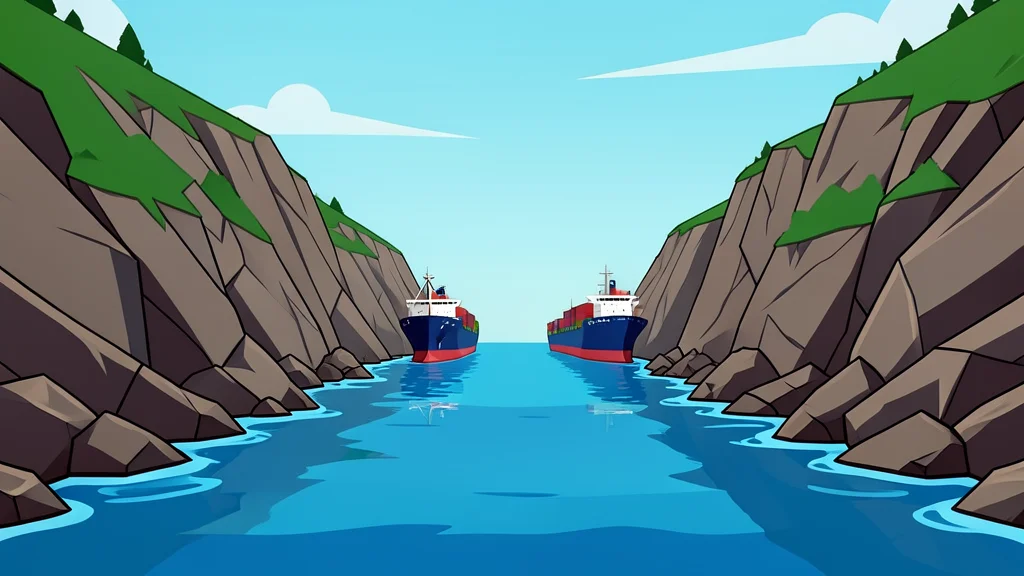
Control over critical waterways has become a central point of contention. Houthi forces now hold positions along the Bab el-Mandeb Strait, allowing them to threaten shipping traffic between the Red Sea and Asia. Simultaneously, Iran has maintained a blockade of most shipping through the Strait of Hormuz. These combined restrictions have effectively cut off the Gulf’s energy exports from global markets, exerting substantial pressure on international oil prices and supply chains.
A US blockade of Iranian ports has further restricted Tehran’s ability to sell its own oil, contributing to severe economic challenges within the Islamic Republic. Despite these pressures, there are few signs of a return to the interim ceasefire agreement reached in June, which collapsed in July due to disputes over its specific terms. Iranian officials maintain that they will continue to fight while also engaging in diplomacy to push back against perceived adversaries.
Diplomatic Options Remain Uncertain
The path forward remains ambiguous as both sides balance military posturing with the prospect of negotiation. Iranian Parliament Speaker Mohammad Baqer Qalibaf stated that the country must continue to fight as well as negotiate to consolidate gains through diplomacy. The upcoming UN General Assembly offers a potential venue for direct dialogue, yet the prevailing atmosphere of mutual threats suggests that any breakthrough will require significant concessions from both parties.
Observers will closely watch the interactions in New York and any subsequent changes in maritime traffic patterns. The ability of regional actors to manage the dual blockades while preventing further escalation will determine the near-term trajectory of the conflict. For now, the situation remains fluid, with economic pressures and military threats continuing to shape the diplomatic landscape.