Iran Disputes German Chancellor's Nuclear and Regional Accusations
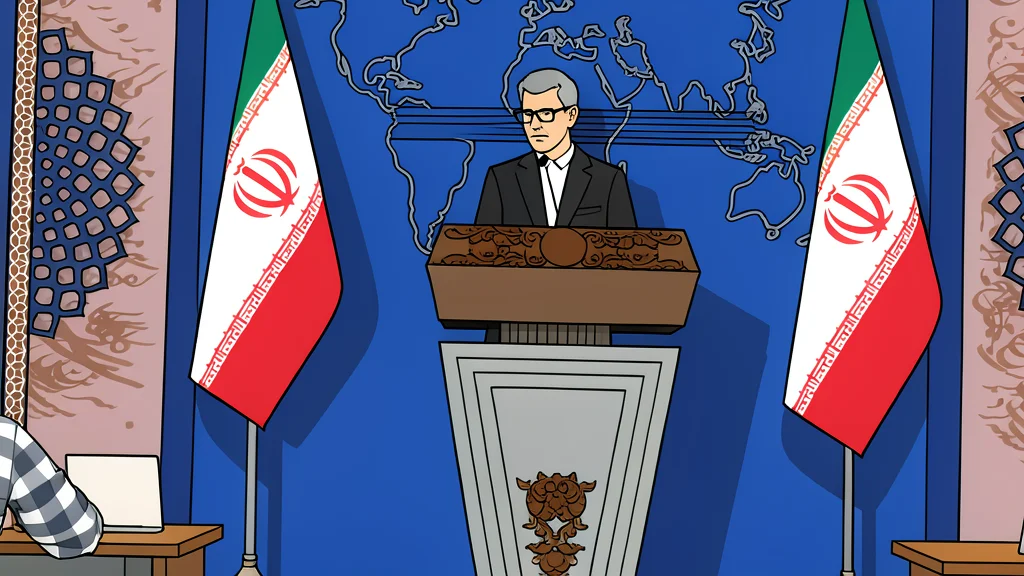
Tehran has sharply rejected Berlin's characterization of its nuclear ambitions and regional influence, labeling the German government's narrative as distorted while urging a more balanced assessment of the current conflict.
Iran has formally dismissed accusations made by German Chancellor Friedrich Merz regarding Tehran’s nuclear program and its relationships with regional actors. According to reports from GN geopolitics/nuclear (en-US), the Iranian Foreign Ministry stated on Wednesday that Berlin is presenting a knowingly distorted picture of the situation. This diplomatic friction highlights a growing divergence in how European powers and Tehran interpret the drivers of the ongoing regional instability.
The exchange began after Merz urged Iran on Tuesday to cease what he described as destabilizing activities. During a joint appearance with Iraqi Prime Minister Ali al-Zaidi in Berlin, the Chancellor called for an end to the blockade of the Strait of Hormuz and warned against extending the conflict into Iraqi territory. Tehran’s immediate counter-accusation suggests that these diplomatic efforts are currently met with strong resistance rather than engagement.
Tehran Rejects Proxy Framework
A central point of contention involves the terminology used to describe Iran’s regional partners. Foreign Ministry spokesman Esmaeil Baqaei rejected Merz’s description of groups such as Hezbollah and the Houthis as proxies. Baqaei argued that these entities are independent actors with their own distinct causes and strategic calculations. By refusing this label, Tehran seeks to deny the narrative of a centralized Iranian hand directing regional violence.
Baqaei further accused Germany of failing to condemn recent attacks by the United States and Israel, which Tehran claims initiated the current war. The Iranian official suggested that Berlin’s stance reflects a bias toward supporting Israel while simultaneously presenting itself as a champion of peace. This criticism aims to shift the burden of escalation away from Tehran and onto its Western critics.
Nuclear Program Disputes
The debate also extends to the nature of Iran’s nuclear activities. Merz explicitly called for a halt to Tehran’s military nuclear program, asserting that such efforts pose a threat to regional stability. In response, Baqaei denied that Iran possesses a military nuclear dimension to its program. He characterized the German accusations as part of a broader campaign to delegitimize Iran’s sovereign rights in the nuclear sector.
Diplomatic Stalemate in Europe
This verbal confrontation underscores the difficulty for European diplomats in mediating between Washington, Jerusalem, and Tehran. While Germany seeks to stabilize the region through direct dialogue with neighbors like Iraq, its public statements have drawn sharp rebuke from Tehran. The lack of a shared factual framework regarding the origins of the conflict makes substantive negotiation challenging.
Looking ahead, observers will watch for any de-escalatory gestures from Berlin or Tehran in the coming days. The focus will likely remain on the Strait of Hormuz and the potential for further spillover into Iraq. Whether these diplomatic disputes lead to a hardened stance or a renewed attempt at dialogue will depend on the immediate military and political developments in the region.