Iran Leads UNGA Push for Hormuz Reopening Amid US Tensions
Iranian President Pezeshkian arrives in New York to address the UN General Assembly, seeking diplomatic resolution to ongoing conflicts with the United States.
Key points
- Iranian President Pezeshkian addresses the UN General Assembly to highlight grievances against the US and push for diplomatic resolution.
- The US has imposed a naval blockade and sanctions, while Iran demands the reopening of the Strait of Hormuz under a prior agreement.
- Regional mediators including Qatar and Oman are working to facilitate dialogue between Iran and the US to prevent further escalation.
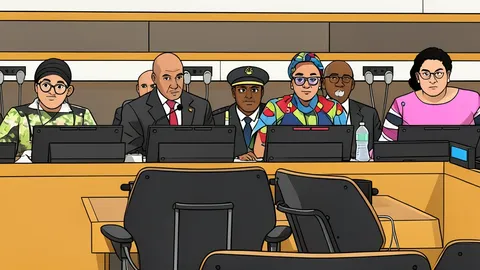
Iran’s presidential delegation has arrived in New York to address the United Nations General Assembly, framing the visit as a critical opportunity to articulate the nation’s position on the ongoing conflict with the United States. President Masoud Pezeshkian, accompanied by Foreign Minister Abbas Araghchi, is scheduled to speak to the 193-member assembly, where he intends to highlight what Tehran describes as the humanitarian and political toll of recent hostilities. According to reports from Al Jazeera English, the Iranian leadership aims to combine a narrative of national resilience with a diplomatic appeal for the cessation of force, while simultaneously challenging the United Nations’ perceived ineffectiveness in maintaining international peace.
The diplomatic mission comes at a time of heightened regional instability, with the US imposing a naval blockade on southern Iranian ports and tightening economic sanctions. Pezeshkian stated prior to his departure that the primary objective of his address is to convey the plight of the Iranian people and the distrust generated by recent military actions. He warned that any renewed use of force by adversaries would be counterproductive, asserting that the Iranian delegation’s presence at the UN is designed to disappoint those expecting a fractured or unprepared response. The delegation will remain in New York for five days, during which they plan to engage with expatriate communities and international think tanks despite restrictions on their movement and media access.
Challenging UN effectiveness in conflict resolution
Foreign Minister Abbas Araghchi has criticized the United Nations for its lackluster performance in establishing security, arguing that trust in the organization has eroded due to its inability to prevent recent escalations. He is expected to raise specific grievances, including the bombing of a school in Minab and the assassination of Supreme Leader Ayatollah Ali Khamenei, which Tehran claims occurred on the opening day of the war. These accusations form a central part of the Iranian narrative at the assembly, positioning the UN as a body that has failed in its core mandate to protect sovereign nations from external aggression.
The diplomatic environment is further complicated by the US administration’s recent stance, with President Donald Trump indicating he is considering a new major military assault on Iran while seeking input from Arab regional leaders. This potential escalation coincides with the Houthis expanding their control over the Bab al-Mandeb strait in Yemen, adding another layer of maritime insecurity to the global energy landscape. As the US tightens its economic and military pressure, the Iranian delegation is expected to press for a return to the memorandum of understanding signed in June, which included provisions for reopening the Strait of Hormuz, a vital artery for global oil shipments.
Regional mediators push for diplomatic exit
Several regional powers, including Qatar, Oman, Pakistan, and Turkiye, have intensified efforts to mediate a diplomatic end to the crisis, recognizing the risks of further military escalation. These nations are expected to engage with Iranian officials in New York, providing a channel for dialogue amidst the broader confrontation between Tehran and Washington. The presence of these mediators underscores a shared regional interest in stabilizing the Strait of Hormuz and preventing a wider war that could disrupt global energy supplies and deepen economic uncertainty.
The upcoming meetings between Iranian diplomats and their counterparts from the Gulf Cooperation Council and other regional actors will be closely watched as a potential barometer for de-escalation. While the US has denied visas to parts of the Iranian media team and imposed strict movement restrictions, the core diplomatic team continues to pursue bilateral and multilateral engagements. The outcome of these discussions, alongside the presidential address to the General Assembly, will likely determine whether the current trajectory moves toward a negotiated settlement or a further intensification of the conflict.
Strait of Hormuz remains central focus
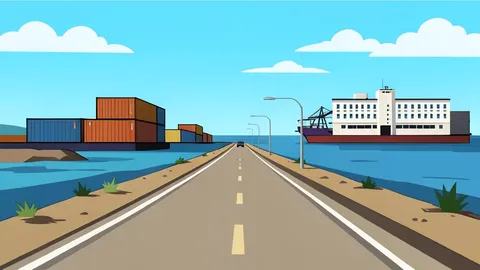
The disruption of shipping in the Strait of Hormuz has already affected global energy prices, making the resolution of the standoff a matter of international economic concern. Iran’s demand for the reopening of the strait is linked to the enforcement of the earlier memorandum of understanding, a point that is expected to dominate its bilateral talks with potential mediators. The convergence of military posturing in the region and diplomatic maneuvering in New York creates a complex scenario where economic leverage and security guarantees are intertwined in the search for a sustainable peace.