Iran Maintains Non-Weaponization Policy While Citing NPT Withdrawal Option
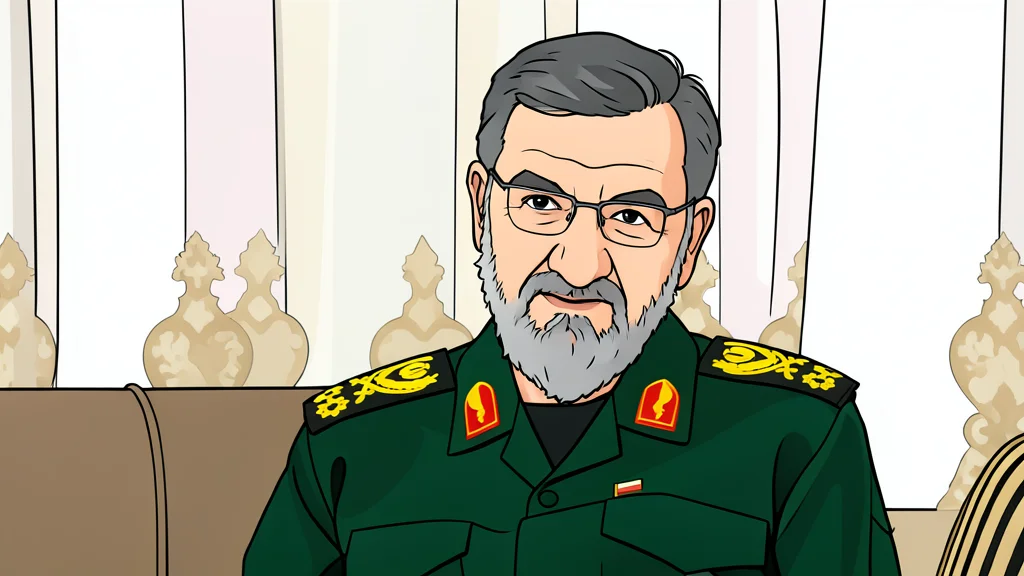
Major General Mohsen Rezaei affirms Iran's adherence to its nuclear non-weaponization doctrine, yet signals that leaving the NPT remains a viable option in response to external pressures.
Major General Mohsen Rezaei, Secretary of Iran’s Supreme National Security Council, stated that Tehran remains committed to its policy of not developing nuclear weapons. In remarks published on Saturday, Rezaei confirmed that the country continues to honor the religious decree issued by the late Supreme Leader, which explicitly forbids the acquisition of atomic arms. This declaration serves to clarify Iran's official stance at a time of heightened diplomatic tension, reinforcing that the core doctrinal framework regarding nuclear capability has not shifted.
However, the security chief indicated that the option to withdraw from the Treaty on the Non-Proliferation of Nuclear Weapons (NPT) has not been ruled out. According to Rezaei, this potential move is contingent upon the behavior of the United States and Israel. He noted that recent military actions and sustained economic and political pressures have created conditions where such a strategic shift is possible, although no final decision has yet been made. The official emphasized that the path forward depends heavily on external diplomatic and military conduct.
Diplomatic Tensions and International Reactions
These comments follow a significant development at the International Atomic Energy Agency, where the United States and allied European nations secured a resolution to refer Iran’s case to the United Nations Security Council. The referral cites alleged non-compliance with IAEA inspection regimes. In response, Russia and China have opposed any punitive measures against Tehran, arguing that recent military aggression has disrupted the agency’s ability to conduct routine inspections of nuclear sites. This divergence highlights the deepening geopolitical rift over how to address Iran's nuclear program.
Rezaei also addressed the broader conflict, asserting that it is in the interests of the United States to accept Iran’s conditions for a permanent end to hostilities. According to the general, Washington’s calculations regarding Iran have been flawed, and threats will yield no results. He stated that Iran has conveyed its demands through Qatari and Pakistani mediators, which include ending the war on all fronts, releasing blocked assets, and lifting the naval blockade. Tehran is currently awaiting a response from the White House to these proposed terms.
Military Posture and Strategic Shifts
The security chief indicated that Iran has adjusted its strategy toward the United States following Washington’s withdrawal from a June memorandum of understanding aimed at ending the aggression. Rezaei claimed that Iran recently tested an anti-ship missile near a US aircraft carrier as a demonstration of readiness. He warned that if attacks continue, Tehran is prepared to target all US bases and interests in the region, asserting that Iran is more prepared than ever to confront American military capabilities.
According to reports from GN auto geopolitics/middle-east: Iran nuclear, the situation remains fluid with no immediate talks scheduled until Iran’s conditions are met. Rezaei expressed confidence in Iran’s defensive capabilities, suggesting an awareness of US military weaknesses. The general emphasized that Iran is ready for a fateful war if necessary, reflecting a hardening of its strategic posture in response to perceived threats from the West.
Regional Stability and Future Outlook
Beyond the direct bilateral tensions, Rezaei touched upon the wider regional context, including the ongoing conflict between Saudi Arabia and Yemen. He stated that Iran seeks an end to this war and believes that the Yemeni armed forces also desire an agreement with their Saudi neighbors. This diplomatic push suggests that Tehran is attempting to position itself as a stabilizing force in the region while simultaneously maintaining a robust defensive stance against perceived external threats.
As the international community watches, the focus remains on whether the US will respond to Iran’s conditions or if the deadlock will persist. The potential for NPT withdrawal remains a significant wildcard, capable of reshaping the global non-proliferation regime. Analysts suggest that the next few weeks will be critical in determining whether diplomatic channels can reopen or if the region faces further escalation. The balance between military readiness and diplomatic engagement will define the immediate future of the Iran-US relationship.