UN Report Challenges US Narrative on Iran Conflict
Seven months after the start of hostilities, new international findings cast doubt on the official justification for the war and highlight significant civilian losses.
Seven months after the United States and Israel initiated military operations against Iran, a growing body of evidence is widening the gap between Washington’s public narrative and the documented reality on the ground. According to reporting from the GN auto geopolitics/middle-east: Iran nuclear desk, recent investigations suggest that the initial justification for the conflict has not been substantiated by available evidence, while the human cost has proven far greater than initially acknowledged.
The conflict began in late February with Washington and Tel Aviv framing the strikes as a necessary measure to prevent Iran from acquiring nuclear weapons. However, contemporaneous statements from international bodies and arms control experts indicated that no structured program for nuclear weapons manufacturing was observed at the time. Despite this, the war has now entered its seventh month, with predictions about its duration shifting repeatedly as the situation on the ground becomes more complex.
International Findings on Civilian Casualties
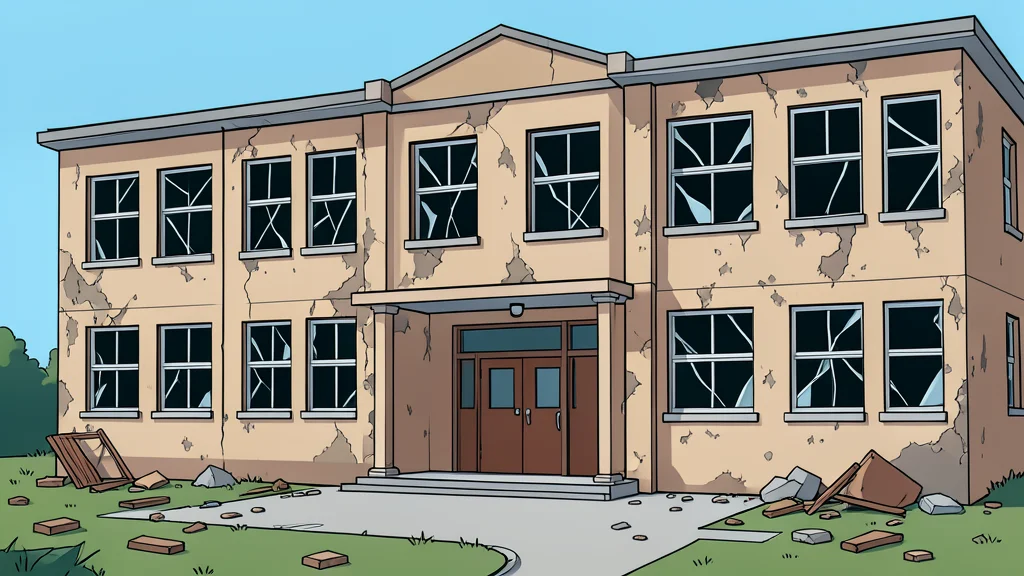
A recent report by the United Nations Independent International Fact-Finding Mission has provided a formal legal assessment of the conflict’s impact on civilians. The mission concluded that there are reasonable grounds to believe that war crimes were committed during strikes on a school in Minab and a residential area in Lamerd. These attacks resulted in the deaths of at least 178 civilians, including more than 100 children in the Minab incident alone.
The UN findings challenge the notion that these casualties were merely an unavoidable consequence of the fog of war. Instead, the report suggests that the targeted facility was a clearly identifiable civilian structure and that necessary precautions to verify its status as a military objective were not taken. This assessment transforms the incident from a local tragedy into a subject of formal international scrutiny and legal debate.
Questions Over Targeting Protocols
Separate investigations have shed light on the internal decision-making processes that preceded the Minab strike. According to reports, Pentagon investigators identified issues within the intelligence pipeline, including outdated imagery and flawed data. There is also growing concern about the excessive reliance on automated systems in the targeting process, which may have contributed to the failure to correctly identify the school as a civilian site.
This emerging picture suggests that the tragedy cannot be reduced to a single technical error. Rather, it raises broader questions about the integrity of the entire targeting mechanism, from the initial intelligence gathering to the final human decisions made by military commanders. The scrutiny now extends beyond the immediate aftermath of the strike to the systemic processes that enabled it.
Diplomatic Disputes and Future Outlook
Washington has firmly rejected the conclusions of the UN mission, with the White House and State Department disputing the findings and questioning the impartiality of the investigators. This diplomatic standoff highlights a deepening divide over how the conflict is characterized and who bears responsibility for its consequences. The disagreement underscores the difficulty of establishing a shared factual baseline in ongoing hostilities.
As the conflict persists, the focus is shifting from military objectives to the transparency of the civilian toll. Observers will be watching for whether independent investigations lead to further accountability measures or if they remain contested in diplomatic forums. The next phase will likely depend on how these legal and factual disputes are addressed in international arenas.