Iran Reaffirms Repression Four Years After Amini Uprising

Four years after the death of Jina Mahsa Amini sparked widespread unrest, international bodies report that accountability for state violence remains elusive while executions continue.
Four years have passed since the death of Jina Mahsa Amini in police custody, an event that ignited the historic Woman, Life, Freedom uprising across Iran. Despite the scale of the 2022 protests and the subsequent state crackdown, those responsible for the violence and the death of Amini continue to operate without facing legal consequences. According to recent assessments, the lack of domestic accountability has allowed a cycle of repression to persist, leaving thousands of victims without redress.
The situation has not improved in recent years. On the contrary, authorities have maintained a firm grip on dissent, with new waves of protest in 2026 meeting with severe force. International human rights organizations warn that the absence of justice for the 2022 events has emboldened the state to employ increasingly harsh measures, including the continued use of the death penalty against political prisoners and activists.
International Investigations Cite Crimes Against Humanity
A comprehensive investigation by Amnesty International has concluded that Iranian authorities committed crimes against humanity during the suppression of the 2022 uprising. The report identifies specific patterns of murder, torture, and enforced disappearance, tracing a chain of command from street-level security forces to senior officials who directed the crackdown. According to the organization, 87 officials should now be subject to criminal investigation for their roles in these systematic violations.
The Center for Human Rights in Iran (CHRI) has joined calls for the United Nations General Assembly to establish an independent international criminal justice mechanism for Iran. CHRI advocates argue that because domestic courts are unwilling to investigate state actors, external mechanisms are necessary to ensure accountability. This approach aligns with broader international legal strategies that rely on universal jurisdiction to prosecute officials suspected of crimes under international law.
Continued Use of Capital Punishment
Despite international condemnation, the Islamic Republic has intensified its use of the death penalty as a tool of political repression. In 2026 alone, two individuals associated with the 2022 protests, Mehrab Abdollahzade and Aref Khoshkar, were executed. They join dozens of other political prisoners who have been sentenced to death and hanged. This trend suggests that the state views the execution of dissidents as a method to deter future challenges to its authority.
Bahar Ghandehari, director of advocacy at CHRI, stated that the continued prosecution and execution of protesters demonstrate the devastating cost of impunity. She emphasized that accountability is not merely a matter of justice for victims but is essential to prevent further state violence. The organization asserts that without legal consequences for past abuses, the risk of future massacres remains high.
Persistent Demand for Fundamental Rights
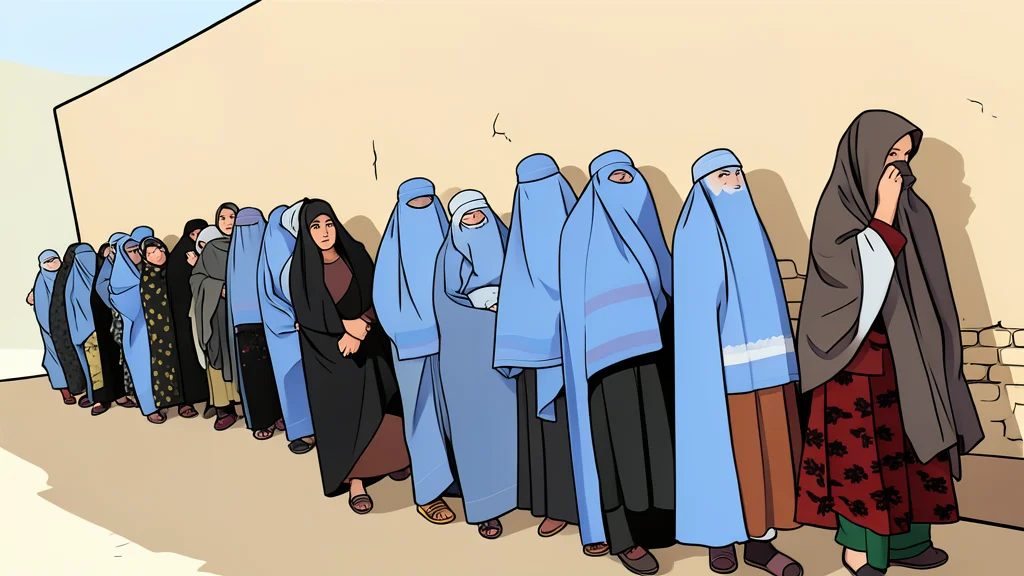
Despite the heavy toll of repression, the demand for basic rights and freedoms within Iran has not ceased. Mai Sato, the UN Special Rapporteur on Iran, noted that the resistance inspired by Amini’s death remains active. Women and girls in Iran continue to assert their right to decide what they wear, where they work, and how they live. According to Sato, these rights will not remain deniable forever, indicating a sustained social movement that exists independently of the state’s judicial or security apparatus.
The geopolitical landscape surrounding Iran continues to evolve as the international community debates the most effective mechanisms for holding the state accountable. The focus is shifting toward multilateral cooperation and the potential establishment of international tribunals. As the anniversary of Amini’s death marks a significant milestone, the world watches to see if diplomatic pressure will translate into concrete legal actions against Iranian officials implicated in the crackdown.